


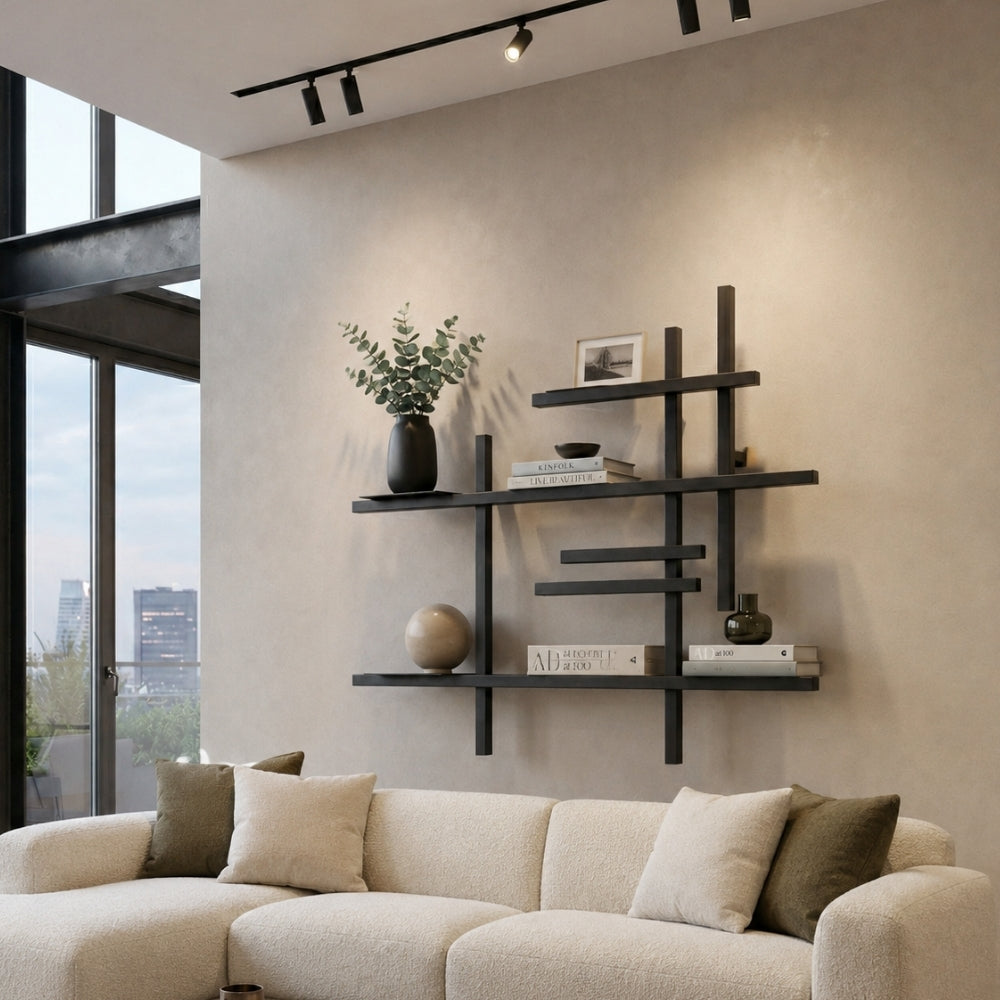
Wall shelves and cabinets can both make a home more organized, but they solve storage problems in very different ways. A wall shelf keeps useful items visible, reachable, and lifted off the floor. A cabinet hides clutter behind a door, protects items from dust, and can make a room look calmer. The better choice is not always the one with more storage volume. In a small home, the better choice is the one that fits the room's traffic, the items being stored, the amount of visual order the household can maintain, and the feeling the room should create.
This decision matters because small homes rarely have storage to waste. Apartments, compact houses, townhomes, guest bathrooms, narrow hallways, and open-plan living areas need every piece to do a clear job. A bulky cabinet can hide many items, but it can also make a room feel tighter. A slim wall shelf can free floor space, but it can look busy if too many things are left on display. When storage sits in plain view, it becomes part of the design, not just a place to put extra things.
The simplest rule is this: choose wall shelves for daily-use items, decorative objects, towels that need airflow, small vertical zones, and rooms where floor space is limited. Choose cabinets for private items, backup supplies, visual clutter, seasonal pieces, and anything that looks messy when exposed. Most small homes work best with both. The art is deciding what deserves to stay visible and what should disappear behind a door.
Quick Answer: Are Wall Shelves or Cabinets Better?
Wall shelves are usually better for small homes when the goal is to save floor space, keep daily items easy to reach, add light visual structure, or use empty wall area. Cabinets are usually better when the goal is to hide clutter, store many small items, protect belongings from dust, or create a calmer surface. A small bathroom may need wall shelves for towels and a vanity cabinet for personal products. A narrow entryway may need an open wall shelf or rack for active items and a closed cabinet somewhere else for overflow.
In other words, shelves are best for active, attractive, or breathable storage. Cabinets are best for backup, private, or visually noisy storage. The strongest system often combines them. For example, bathroom storage can use an open wall-mounted shelf for folded towels while closed drawers hold toiletries. A towel zone can use a towel rack for airflow and daily access while less attractive items stay hidden.
This is also why wall shelves and cabinets should not be judged only by capacity. A deep cabinet may hold more, but if it blocks movement, swallows small items, or encourages clutter, it can create a new problem. A wall shelf may hold less, but if it gives the right items a visible home, it can make the whole room easier to reset.
Wall Shelves vs Cabinets Comparison Table
| Factor | Wall Shelves | Cabinets |
|---|---|---|
| Best for | Daily items, towels, decor, small vertical zones, visible organization | Private items, backup supplies, visual clutter, seasonal pieces |
| Space impact | Uses wall space and can preserve floor area | Uses wall or floor volume and can feel heavier |
| Visual effect | Light, open, decorative, easy to scan | Calm, hidden, solid, sometimes bulky |
| Access | Fast access because items are visible | Slower access but cleaner surface |
| Maintenance | Needs regular editing because everything shows | Needs internal organization because clutter can hide |
| Small bathroom use | Strong for towels, guest items, and narrow walls | Strong for toiletries, cleaning products, and personal items |
| Entryway use | Good for keys, hats, daily accessories, and quick-drop items | Good for off-season shoes and overflow |
| Living room use | Good for display, books, plants, and selected objects | Good for electronics, games, cables, and supplies |
| Main risk | Can look cluttered if overloaded | Can collect hidden clutter if unmanaged |
| Best strategy | Keep only active or attractive items visible | Use shallow zones, dividers, and regular cleanouts |
This table shows the core difference. Wall shelves are not simply smaller cabinets without doors. They change behavior. They make items visible, which can help people put things back quickly. Cabinets change the mood of a room. They reduce visual noise, which can make a space feel calmer. The right answer depends on whether the room needs visibility, concealment, airflow, capacity, or visual quiet.

What Wall Shelves Do Best
Wall shelves are strongest when a room needs storage without losing floor space. A shelf can turn unused vertical area into a practical zone. That matters in small bathrooms, entryways, laundry corners, kitchens, and living rooms where every inch of walking space counts. A shelf can sit above a toilet, beside a vanity, over a console table, near a doorway, or on an empty wall that would otherwise do nothing.
Wall shelves also make routines easier. If an item is used every day, hiding it behind a door can add friction. That friction sounds small, but it affects whether the storage system gets used. A folded towel on a shelf is easy to grab. A small basket on a shelf is easy to return. A key tray near the entrance is easy to see. A shelf succeeds when it makes the next action obvious.
Another advantage is visual structure. A shelf creates a boundary. If the shelf holds three towels, that becomes the limit. If it holds one basket, one plant, and one daily item, the room has a clear arrangement. This is different from a deep cabinet where overflow can expand quietly. Visible storage can be useful because it asks the household to edit.
Wall shelves can also make practical items feel intentional. In a bathroom, folded towels can soften the room. In a kitchen, a few jars or mugs can add warmth. In a living room, books and ceramics can give the wall personality. In a hallway, a narrow shelf can create a landing zone without requiring a full piece of furniture. When the material and finish connect with other details, the shelf becomes part of the room's design.
For Grandmix-style spaces, metal wall shelving pairs naturally with other structured elements such as towel racks, metal wall art, black fixtures, or fireplace accessories. The goal is not to fill every shelf. The goal is to make useful storage look like it belongs.

What Cabinets Do Best
Cabinets are strongest when a room needs concealment. Not everything improves a room by being visible. Product bottles, cleaning supplies, medicine, paperwork, cables, chargers, spare parts, extra packaging, and seasonal items usually look better behind a door. A cabinet creates a visual pause. It lets the eye rest.
Cabinets also protect items from dust, splashes, and daily exposure. In a bathroom, closed storage can protect personal items and keep surfaces from feeling crowded. In a living room, a cabinet can hide electronics, games, remotes, manuals, and miscellaneous objects. In an entryway, a cabinet can hold off-season accessories that do not need to sit near the door every day.
Another benefit is volume. A cabinet can hold more than a shelf of the same visible footprint because it can use depth and internal layers. This is helpful when the items are not attractive enough for display or when a household needs backup storage. A cabinet can be especially useful in a home with children, pets, roommates, or frequent guests because it keeps everyday mess out of sight.
The risk is that closed storage can hide problems until they become bigger. A cabinet may look clean from the outside while the inside becomes difficult to use. Deep cabinets are especially tricky because items disappear in the back. If a cabinet has no shelf divisions, bins, labels, or clear zones, it can become a place for every undecided object.
Cabinets work best when they are specific. A bathroom cabinet for private products. An entry cabinet for off-season items. A living room cabinet for electronics. A kitchen cabinet for categories that are not used every hour. When a cabinet has a job, it stays useful. When it becomes a general hiding place, it becomes a delayed clutter problem.
Which Is Better for Small Homes?
For small homes, wall shelves often have the advantage because they use vertical space without taking over the floor. A small home usually does not need more bulky furniture. It needs smarter zones. If a wall shelf can hold the active items, the room may feel more open than it would with a deep cabinet.
This is especially true in narrow spaces. A hallway, entryway, small bathroom, or laundry corner may not have enough depth for a cabinet. Even a shallow cabinet can interrupt movement if it is placed in the wrong spot. A wall shelf can keep the lower half of the room open, which helps the space feel easier to move through.
However, small homes still need closed storage. In fact, they may need it more than large homes because visible clutter accumulates quickly. The trick is to avoid using cabinets as the first answer for every problem. Use shelves for the items that benefit from visibility and access. Use cabinets for the items that do not need to be seen.
A good small-home formula is:
- Wall shelves for daily-use items, attractive objects, towels, and quick access.
- Cabinets for backup supplies, private items, packaging, and visual clutter.
- Vertical storage where floor space is tight.
- Shallow closed storage where visual calm is more important than display.
- Regular editing so open shelves stay intentional.
This connects closely with the broader idea in Grandmix's guide to open storage vs closed storage. Shelves are usually a form of open storage. Cabinets are usually a form of closed storage. The most livable rooms use both in a way that matches behavior.
Which Is Better for Bathrooms?
Bathrooms are one of the clearest examples of why shelves and cabinets need different jobs. A bathroom has items that need airflow, items that need privacy, items that are used every day, and items that should not be part of the visible design. One storage type cannot handle all of that well.
Wall shelves are useful in bathrooms because towels and guest items often benefit from visibility. A folded towel on a shelf is easy to find. A hand towel near the sink is easy to replace. A few attractive containers can make the bathroom feel organized without making it feel clinical. A wall-mounted shelf also preserves floor space, which matters in compact bathrooms.
Cabinets are useful in bathrooms because many bathroom items are visually noisy. Toothpaste boxes, medicine bottles, cleaning sprays, backup shampoo, personal care products, and spare packaging rarely improve the room when displayed. A cabinet or vanity drawer keeps those items accessible but out of view.
Use wall shelves in bathrooms for:
- Folded towels in daily rotation.
- Guest towels that should be easy to find.
- A small basket for frequently used items.
- Decorative containers that match the room.
- Items that benefit from airflow.
Use cabinets in bathrooms for:
- Medicine and private products.
- Cleaning supplies.
- Backup toiletries.
- Extra packaging.
- Small items that create visual clutter.
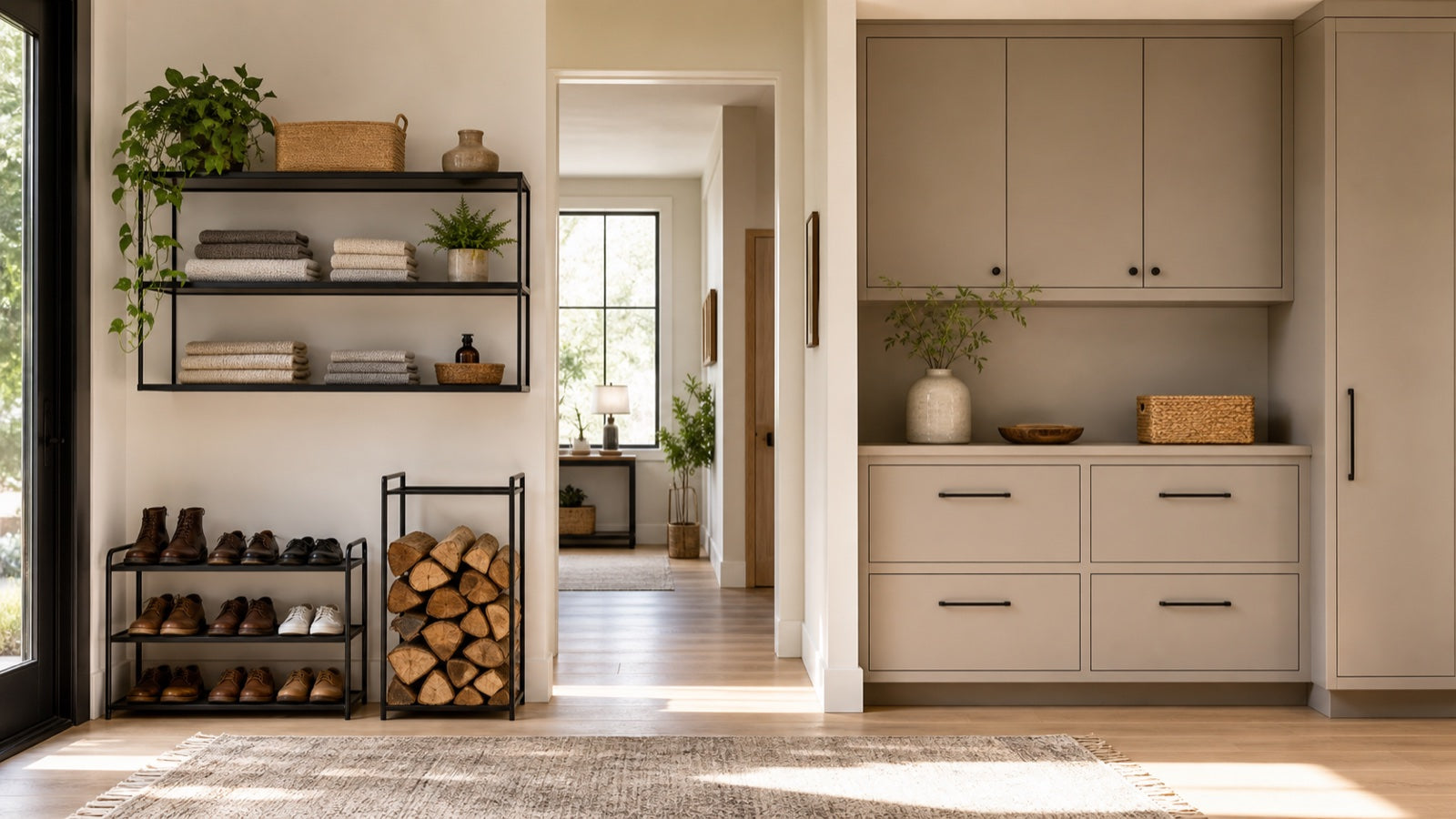
The strongest bathroom systems usually combine a visible towel zone with hidden product storage. That is why Bathroom Storage and Towel Rack examples fit naturally into this topic. A towel shelf or towel rack is not trying to replace every cabinet. It solves the daily access and airflow problem, while cabinets handle the private or less attractive items.
Which Is Better for Entryways?
Entryways need speed. People come in carrying bags, shoes, coats, keys, mail, umbrellas, and packages. If the storage system requires too many steps, items land on the floor or the nearest surface. Wall shelves can work well because they give quick-drop items a visible home.
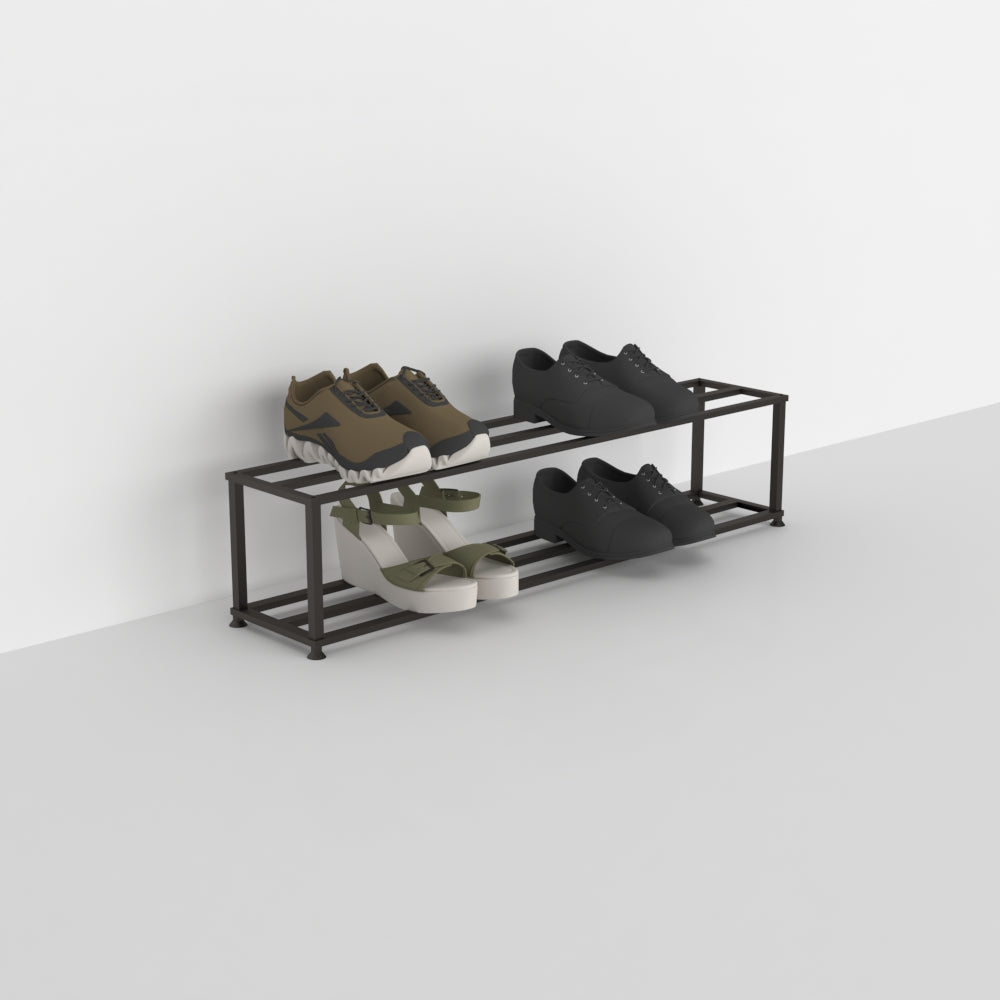
A narrow shelf near the door can hold keys, sunglasses, a small tray, or outgoing items. A wall-mounted hook or rack can keep bags and jackets off the floor. If the entryway is small, a wall shelf can create function without adding a cabinet that blocks the path. This is why visible storage often works better for the active layer of an entryway.
Cabinets still matter in entryways, but they are better for overflow. Off-season shoes, extra scarves, gloves, pet supplies, and less-used accessories can live behind doors. A closed cabinet near the entrance can be helpful if the entryway is visible from the living room, but it should not make daily routines harder.
The most practical entryway formula is open-first, closed-second. Keep active items visible and easy to return. Store overflow away from the immediate drop zone. This is similar to the approach in Grandmix's small entryway storage ideas guide, where the best storage is usually the one people will actually use when they are entering or leaving.
If an entryway has no room for a cabinet, a shelf can still create order. If it has room for both, use the shelf for the daily items and the cabinet for the items that would otherwise make the entry look crowded.
Which Is Better for Kitchens?
Kitchens make the shelf-versus-cabinet decision more complicated because both access and cleanliness matter. Open shelves can make frequently used dishes, mugs, spices, or jars easy to reach. Cabinets can hide mismatched packaging, appliances, and backup supplies. The right choice depends on how the kitchen is used.
Wall shelves can work well when the displayed items are consistent. A row of matching mugs, simple dishes, glass jars, or a few cookbooks can look intentional. Shelves can also make a small kitchen feel more open than upper cabinets because they reduce visual mass. In a compact apartment kitchen, replacing one heavy upper cabinet zone with open shelves can create breathing room.
But open kitchen shelves require discipline. Grease, dust, and visual clutter can build up. If the items are mismatched, overly colorful, or rarely used, the shelf can start to look chaotic. Open shelves are best for items that are used often enough to stay clean and arranged.
Cabinets remain the stronger choice for most food packaging, cleaning supplies, appliances, plastic containers, and overflow. They hide the visual noise that kitchens naturally create. A cabinet also protects items better from dust and splashes.
The best kitchen approach is selective openness. Use shelves for a small number of attractive, high-use items. Use cabinets for everything else. If a shelf starts to hold random objects, it is no longer helping the room. It is just moving cabinet clutter onto the wall.
Which Is Better for Living Rooms?
Living rooms are different from bathrooms and kitchens because storage has to support comfort. A living room should feel usable, but it should not feel like a utility zone. Wall shelves can add personality, while cabinets can create calm. Both can work beautifully if they are not overused.
Wall shelves are strong in living rooms when the items have visual value. Books, ceramics, framed pieces, plants, candles, and selected objects can create warmth. Shelves can also fill a blank wall without needing a bulky unit. When arranged carefully, they make the room feel personal rather than cluttered.
Cabinets are strong in living rooms when the items are practical but unattractive. Electronics, cables, manuals, remotes, board games, spare batteries, paperwork, and chargers usually belong behind doors. A cabinet can help the living room stay restful, especially in open-plan homes where the living area is visible from the kitchen or entryway.
The mistake is making either option do too much. Too many shelves can turn a living room into a display wall that feels busy. Too many cabinets can make the room feel heavy. A balanced living room might use one shelf zone for personality and one closed cabinet zone for practical storage.
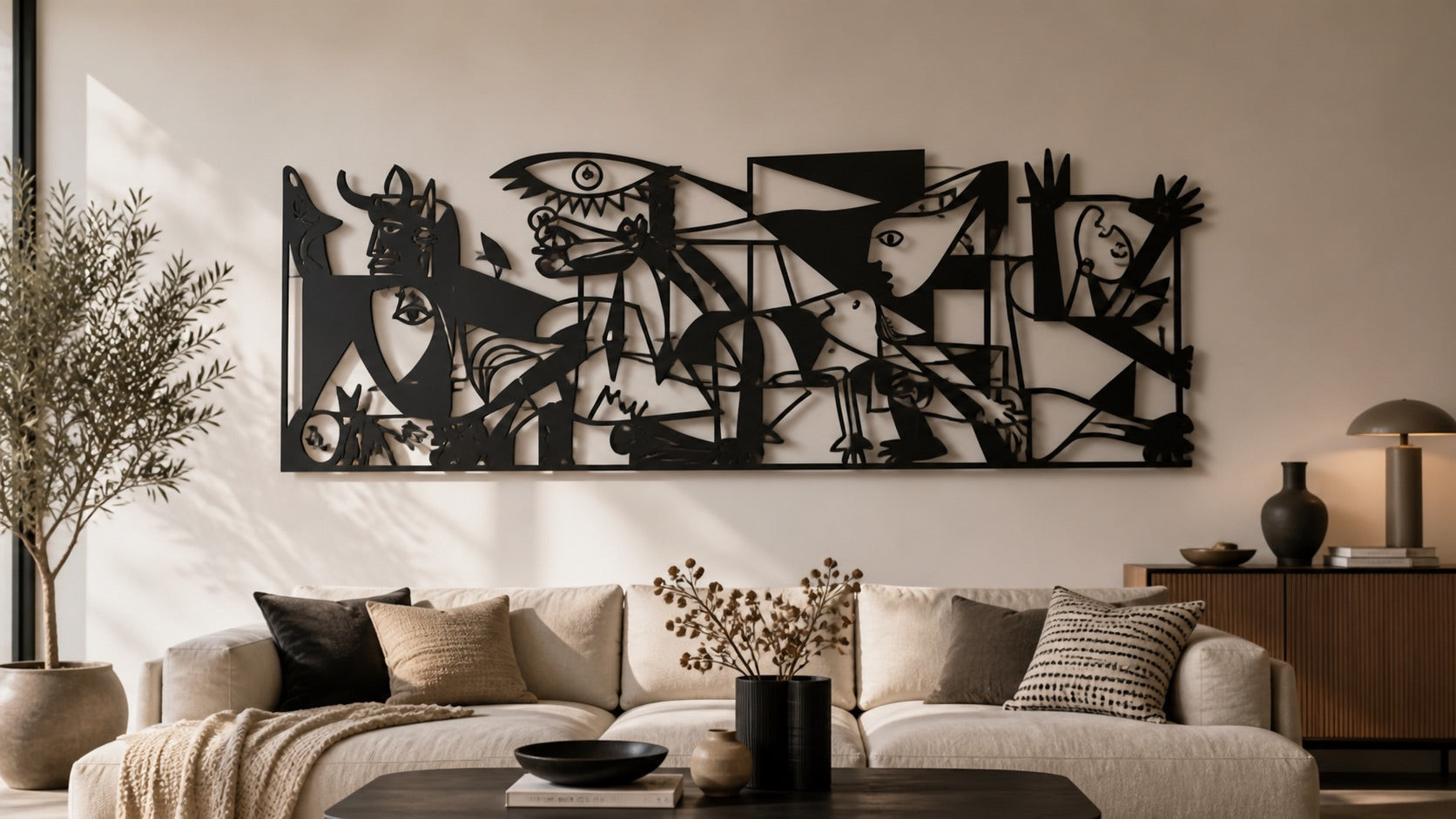
Wall decor also matters here. If a room already has a strong piece from wall decor and wall art, it may need fewer open shelves. If the walls feel empty, a shelf can add dimension. The decision is not just storage volume. It is wall composition.
Which Is Better for Renters?
Renters often face a different problem: they need storage that improves the room without requiring major renovation. Cabinets can be hard for renters because they may be built-in, heavy, or difficult to move. Freestanding cabinets can work, but they take up floor space and may not fit every layout.
Wall shelves can be renter-friendly if the mounting method is allowed and the shelf is appropriately sized. A shelf can help a temporary space feel more finished. It can also solve awkward storage gaps above toilets, desks, entry tables, or laundry machines. The important point is to check lease rules, wall material, and weight limits before mounting anything.
If drilling is not allowed, renters may need freestanding alternatives or lightweight storage pieces. In that case, the shelf-versus-cabinet decision becomes more about footprint. A slim cabinet may be better than a shelf that cannot be mounted safely. A narrow open rack may be better than a heavy enclosed unit.
Renters should choose pieces that move easily, match several rooms, and do not depend on one exact layout. A shelf that works in a bathroom today might work in an entryway later. A small cabinet might shift from a hallway to a bedroom. Flexible storage is valuable when the home may change.
Which Is Easier to Keep Clean?
Cabinets usually look cleaner day to day because the door hides what is inside. That does not always mean they are easier to keep organized. A closed cabinet can become messy without anyone noticing. It may only become a problem when something cannot be found.
Wall shelves are more honest. If a shelf is cluttered, everyone sees it. That can be annoying, but it can also be useful. Visible storage creates feedback. It tells the household when too many items have gathered in one place. A shelf is easier to reset when the categories are simple and the number of items is limited.
For dust, cabinets usually win. For quick daily reset, shelves often win. For long-term organization, both need rules. A shelf needs a visible limit. A cabinet needs internal structure.
To make shelves easier to clean:
- Store fewer items than the shelf can technically hold.
- Use trays or baskets to group small objects.
- Keep the same category together.
- Leave breathing room around decorative pieces.
- Remove anything that does not belong in that room.
To make cabinets easier to clean:
- Use bins, dividers, or shelf risers.
- Keep the most-used items at the front.
- Avoid deep piles.
- Label backup supplies if needed.
- Review the cabinet before buying duplicates.
The cleanest homes are not the ones with only closed storage. They are the ones where each storage zone has a simple job.
Which Looks More Modern?
Both wall shelves and cabinets can look modern. The modern look depends less on whether the storage is open or closed and more on proportion, material, finish, spacing, and restraint.
Wall shelves look modern when they are slim, well-aligned, and not overloaded. Metal, wood, glass, or mixed-material shelves can all work if the shelf relates to other finishes in the room. A black metal shelf can connect with black faucets, black frames, lighting, or metal art. A wood shelf can warm up a white bathroom or kitchen. A simple shelf with space around it usually looks more current than a shelf packed from edge to edge.
Cabinets look modern when they are clean-lined, appropriately scaled, and not too deep for the room. Flat fronts, simple hardware, and balanced proportions help. A cabinet that reaches too far into a small room can feel dated even if the finish is new. A shallow cabinet with good internal storage can feel calm and contemporary.
The most modern choice is often the one that creates visual intention. If a shelf displays five useful and beautiful items, it can look modern. If a cabinet hides the mess that would distract from the room, it can look modern. If either option is chosen only because it holds more, the room may feel less designed.
How to Decide Room by Room
A useful way to decide is to ask what the room needs most. Does it need access, airflow, display, privacy, capacity, or calm? The answer can change from room to room.
In a bathroom, use wall shelves or towel racks for towels and guest access. Use cabinets for personal items and backup products. In an entryway, use a shelf for keys and outgoing items. Use closed storage for off-season accessories. In a kitchen, use shelves for a small number of attractive high-use items. Use cabinets for packaging and appliances. In a living room, use shelves for personality and cabinets for electronics or clutter.
If a room feels cramped, start with wall storage. If a room feels visually chaotic, add or improve closed storage. If a room has empty walls but crowded floors, shelves may help. If a room has too many visible categories, cabinets may help. If a household constantly loses items, shelves can improve visibility. If a household constantly sees too much clutter, cabinets can create visual relief.
The decision should also consider habits. A person who loves styling and editing shelves may enjoy open storage. A busy family may need more closed storage to keep surfaces calm. A small bathroom with damp towels may need open airflow even if closed cabinets look cleaner. A living room with many electronics may need closed storage even if open shelving looks lighter.
The Hybrid Method: Shelves for Active Items, Cabinets for Overflow
The most reliable approach is hybrid storage. Use wall shelves for the active layer. Use cabinets for the overflow layer. This works because it matches how people actually live.
The active layer includes items used daily or weekly. Towels in rotation. Keys. Mugs. A few books. A plant. A basket for current items. These belong on shelves if they look organized and help the routine. The overflow layer includes backups, duplicates, private items, packaging, seasonal goods, and anything that does not improve the room visually. These belong in cabinets.
The hybrid method prevents two common problems. It keeps shelves from becoming overcrowded because only the active layer is visible. It keeps cabinets from becoming chaotic because they are not being used for everything. Each storage type has a job.
This is also the best way to keep product-led content informational. A wall shelf, towel rack, cabinet, or storage piece should be presented as an example of a decision, not as a forced sales pitch. The reader is trying to understand what works in a small home. The content should help them choose the right storage logic first.
Common Mistakes With Wall Shelves
The biggest mistake with wall shelves is treating them as unlimited storage. A shelf has a visible capacity, and that capacity should not be fully used. If every inch is filled, the shelf stops looking intentional. It becomes a horizontal pile.
Another mistake is mixing too many categories. A bathroom shelf with towels, skincare, medicine, candles, cleaning spray, and random accessories will look confusing. A kitchen shelf with mugs, spices, mail, tools, and decorative objects will look accidental. A shelf works best when the category is clear.
Scale is another issue. A shelf that is too small can look weak and become overloaded. A shelf that is too large can dominate the wall. The shelf should match the items and the wall area. It should feel like part of the room, not an afterthought.
Mounting also matters. Wall shelves must be appropriate for the wall type, weight, and use. A shelf holding towels has different requirements than a shelf holding books or heavy dishes. Safety and installation should be considered before style.
Finally, shelves need negative space. The empty area around objects is what makes the shelf look designed. Without breathing room, even attractive objects can look messy.
Common Mistakes With Cabinets
The biggest mistake with cabinets is assuming hidden means solved. A cabinet can hide clutter, but it cannot organize clutter by itself. If the inside has no structure, the cabinet becomes a box for delayed decisions.
Another mistake is choosing too much depth. Deep cabinets sound useful because they hold more, but small items get lost in the back. In small homes, shallow storage often works better because it keeps everything visible when the door opens.
Cabinets can also make a room feel smaller if the scale is wrong. A tall, heavy cabinet in a narrow bathroom can make the room feel crowded. A bulky entry cabinet can block movement. A large living room cabinet can overpower the seating area.
Cabinets also fail when they hold items that need airflow. Damp towels, wet shoes, and certain natural materials should not be closed away without ventilation. In those cases, a shelf, rack, or open zone may be healthier and more practical.
The best cabinets are edited, divided, and assigned to a clear purpose. They hide what should be hidden, but they do not become a hiding place for everything.
FAQ
Are wall shelves better than cabinets for small spaces?
Wall shelves are often better for small spaces when the goal is to preserve floor area, create quick access, or use empty vertical space. Cabinets are better when the items are private, messy, seasonal, or visually distracting. Most small spaces need both.
Do wall shelves make a room look cluttered?
Wall shelves can look cluttered if they are overloaded or used for too many categories. They look cleaner when they hold a limited number of useful or attractive items with breathing room between objects.
When should I choose cabinets instead of shelves?
Choose cabinets when you need to hide packaging, cleaning supplies, personal items, electronics, cables, backup products, or anything that would make the room feel visually busy. Cabinets are also useful when dust protection matters.
Are wall shelves good for bathrooms?
Wall shelves are good for bathrooms when they hold towels, guest items, or a small number of daily-use products. Cabinets are still better for private items, medicine, cleaning products, and backup toiletries.
What is the best storage mix for a small home?
The best mix is wall shelves for active and attractive items, plus cabinets for overflow and visual clutter. Use open storage where access and airflow matter. Use closed storage where privacy and calm matter.
How do I make wall shelves look intentional?
Use fewer items, repeat materials from the room, group small objects in trays or baskets, keep categories clear, and leave empty space. A shelf should look edited, not packed.
Final Takeaway
Wall shelves and cabinets are not rivals. They are different tools. Wall shelves make daily items visible, accessible, and part of the room's design. Cabinets hide clutter, protect private items, and help a space feel calmer. Small homes need both, but they need each one for the right reason.
Choose wall shelves when the room needs vertical storage, fast access, airflow, or a lighter visual footprint. Choose cabinets when the room needs privacy, concealment, capacity, or visual quiet. In bathrooms, shelves and towel racks can handle the active layer while cabinets handle private products. In entryways, shelves can support quick routines while cabinets hold overflow. In living rooms, shelves can add personality while cabinets hide electronics and clutter.
The best storage system is the one that matches real behavior. If an item is used often, looks good, or needs airflow, it may deserve a visible place. If an item is messy, private, seasonal, or rarely used, it probably belongs behind a door. When shelves and cabinets work together, a small home can feel more open, more organized, and easier to live in every day.

Leave a comment
This site is protected by hCaptcha and the hCaptcha Privacy Policy and Terms of Service apply.