


Small Entryway Storage Ideas That Actually Work
A small entryway becomes frustrating when it tries to do too many jobs without a clear system. It has to hold shoes, jackets, umbrellas, keys, bags, mail, pet leashes, seasonal gear, and whatever people drop the second they come home. If the space is narrow, shared, or directly visible from the living room, the clutter feels even louder. The answer is not always a bigger cabinet or a full mudroom makeover. In many homes, the entryway starts working better when every common item gets a visible, easy-to-use place.
The most effective small entryway storage ideas are simple: use the wall before the floor, keep only daily items near the door, separate wet items from dry items, and choose storage pieces that match the way people actually enter and leave. A slim shoe rack can solve one problem. A wall-mounted coat rack can solve another. An umbrella stand can stop a corner from becoming a damp pile. When those pieces work together, even a compact entry can feel calmer, cleaner, and more intentional.
This guide focuses on practical entryway storage that looks good without becoming too decorative to use. The goal is not to create a staged foyer that only works in photos. The goal is an everyday drop zone that helps people move through the door quickly, keeps traffic paths clear, and still looks considered when guests arrive.
Quick Answer: What Is the Best Way to Organize a Small Entryway?
The best way to organize a small entryway is to divide it into zones: a wall zone for coats and bags, a floor zone for daily shoes, a weather zone for umbrellas, a small-item zone for keys and mail, and a reset zone where items are edited weekly. In a tight space, wall-mounted storage usually works better than deep furniture because it keeps the floor open and makes the entry feel less crowded.
For most homes, a working small entryway includes:
- A slim shoe rack or wall-mounted shoe rack for the pairs used every day.
- A wall-mounted coat rack for jackets, hats, totes, and leashes.
- A compact umbrella stand near the door.
- A tray, bowl, or narrow shelf for keys and sunglasses.
- A clear rule that off-season shoes and coats do not live in the entry.
These ideas are not about buying more storage for the sake of it. They are about reducing decisions. When the place for each item is obvious, the entryway stays organized with less effort.
Why Small Entryways Get Messy So Fast
Entryways collect clutter because they sit at the intersection of urgency and habit. People come home carrying things. They leave while thinking about schedules, weather, work, school, pets, and errands. If storage is hidden, awkward, overloaded, or too far from the door, items land wherever there is a flat surface or open patch of floor.
Small spaces make this more obvious. A single pair of boots can block a narrow doorway. Two backpacks can make a hallway look chaotic. A pile of mail can make a console feel messy even if the rest of the home is clean. In a large mudroom, clutter has room to spread. In a small entryway, every item is part of the visual field.
The common mistake is treating entryway storage as one piece of furniture. A large cabinet, bench, or console may help, but it rarely solves every problem by itself. A better approach is to identify the exact clutter sources. Shoes need a place. Coats need a place. Umbrellas need a place. Small daily objects need a place. Once those needs are separated, the entry becomes easier to design.
Another issue is that many entryways are designed around guests, not daily life. A pretty console table may look nice, but if there is nowhere to put muddy shoes or wet umbrellas, the space will not stay tidy. A practical entryway can still look polished. It simply needs storage that respects the real rhythm of the household.
Start With the 30-Second Exit Test
Before choosing any storage piece, test the entryway with a simple question: can someone leave the house in 30 seconds without moving a pile, searching for keys, or stepping over shoes? If the answer is no, the entryway is not failing aesthetically. It is failing operationally.
The 30-second exit test helps you identify what needs to be closest to the door. For one household, that might be work shoes, a dog leash, a rain jacket, and keys. For another, it might be school bags, reusable grocery totes, sunglasses, and slippers. The best small entryway storage ideas depend on repeated behavior, not on a generic checklist.
Walk through a normal morning. Where do shoes pile up? Which coats get worn daily? Where do keys land? Do umbrellas dry in the corner? Do guests need a place to hang jackets? Does the entryway need to handle kids, pets, visitors, or only one or two adults? These questions turn storage from decoration into a useful system.
Once you know the real daily items, limit the entryway to those items. This is especially important in a small space. The entry should not store every pair of shoes, every winter coat, every tote bag, and every umbrella owned by the household. It should store what is used now. Everything else belongs in a closet, bedroom, garage, or seasonal bin.
Use the Wall Before the Floor
In a small entryway, wall space is usually more valuable than floor space. Floor storage can become bulky quickly, especially in narrow halls or apartment entries. Wall-mounted storage keeps the walking path open and lets the eye see more of the floor, which makes the area feel larger.
A wall-mounted coat rack is one of the most useful pieces for a compact entry. It can hold daily jackets, hats, bags, dog leashes, scarves, and reusable totes without requiring a closet. Unlike a freestanding coat tree, it does not take up a wide footprint. Unlike a closed cabinet, it is fast to use. That matters because entryway storage only works when it is easier to use than the floor.
The key is not to overload the hooks. A coat rack should hold the items needed this week, not the entire household wardrobe. If hooks are packed with layers, the entryway starts to look heavy and becomes harder to use. A good rule is one or two active items per person, plus one shared hook for a leash, tote, or guest jacket.
Wall-mounted storage can also support smaller items. A narrow shelf or tray above hooks can hold keys and sunglasses. A small mirror can make the entry feel brighter while giving people a place for a last check before leaving. If the entry has a blank vertical wall, it can often handle more function than a console table would.
Give Shoes a Strict Boundary
Shoes are usually the biggest source of entryway clutter. They spread sideways, collect dirt, block doors, and make the space feel untidy even when everything else is organized. The solution is not necessarily a huge shoe cabinet. In a small entryway, the better answer is often a strict shoe boundary: only the pairs used daily stay by the door.
A slim rack from the Designer Shoe & Slipper Racks collection can help create that boundary. A low metal rack works well when the entry has a little floor space under hooks, beside a door, or along a short wall. A metal shoe rack can also suit modern interiors because it feels lighter than a bulky wooden cabinet and is easier to clean around.
The mistake is choosing a shoe rack that holds too many pairs. More capacity can invite more clutter. For a small entry, aim for the daily rotation: one or two pairs per person, plus perhaps a guest pair or slippers. Off-season shoes, formal shoes, sports shoes, and duplicates should live elsewhere.
If the household removes shoes indoors, consider separating outdoor shoes from indoor slippers. A small slipper rack can make this habit easier, especially near a front door, apartment entry, or mudroom transition. The goal is to make the preferred behavior obvious: outdoor shoes go here, slippers go there, and the walking path stays open.
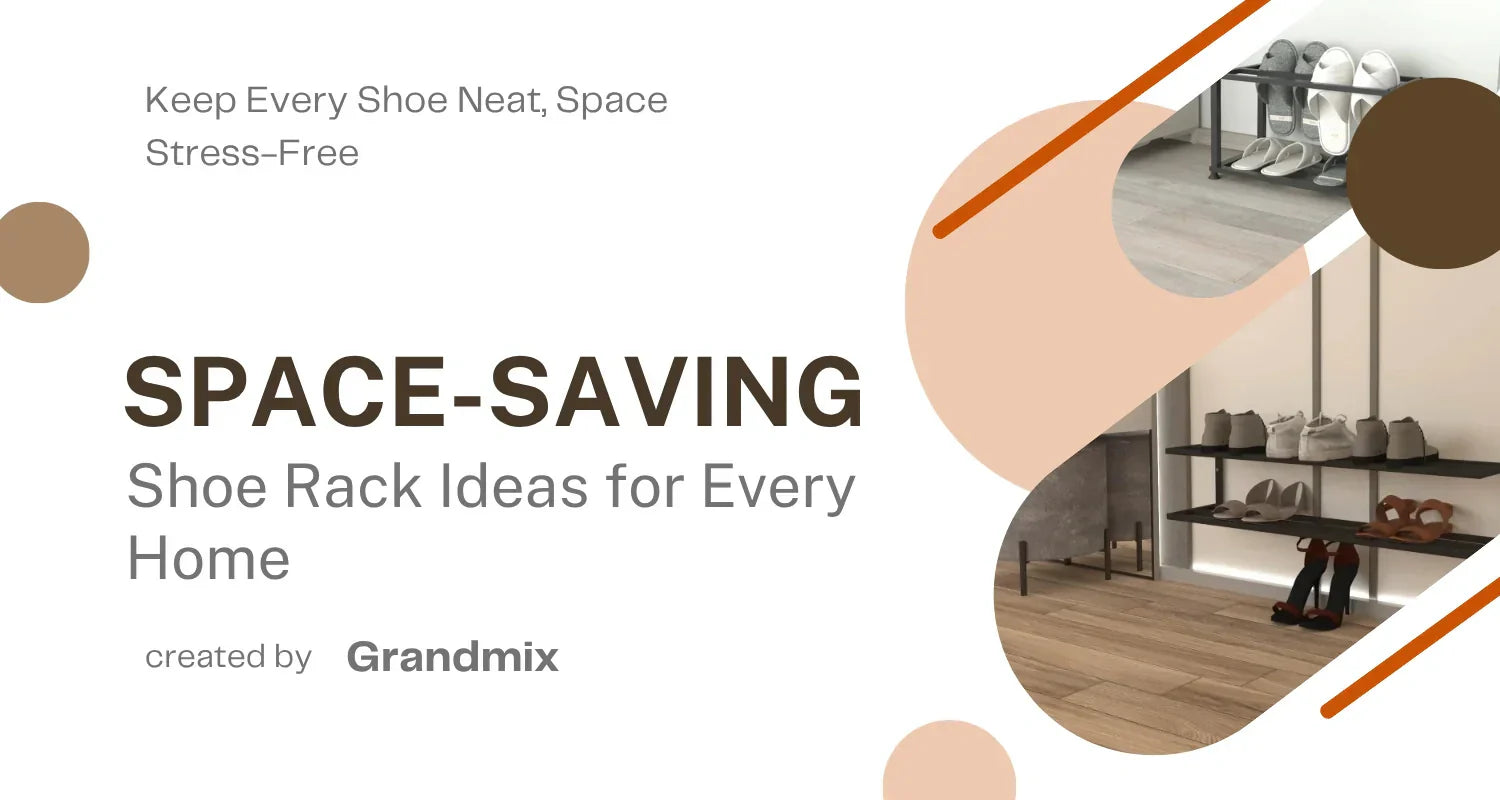
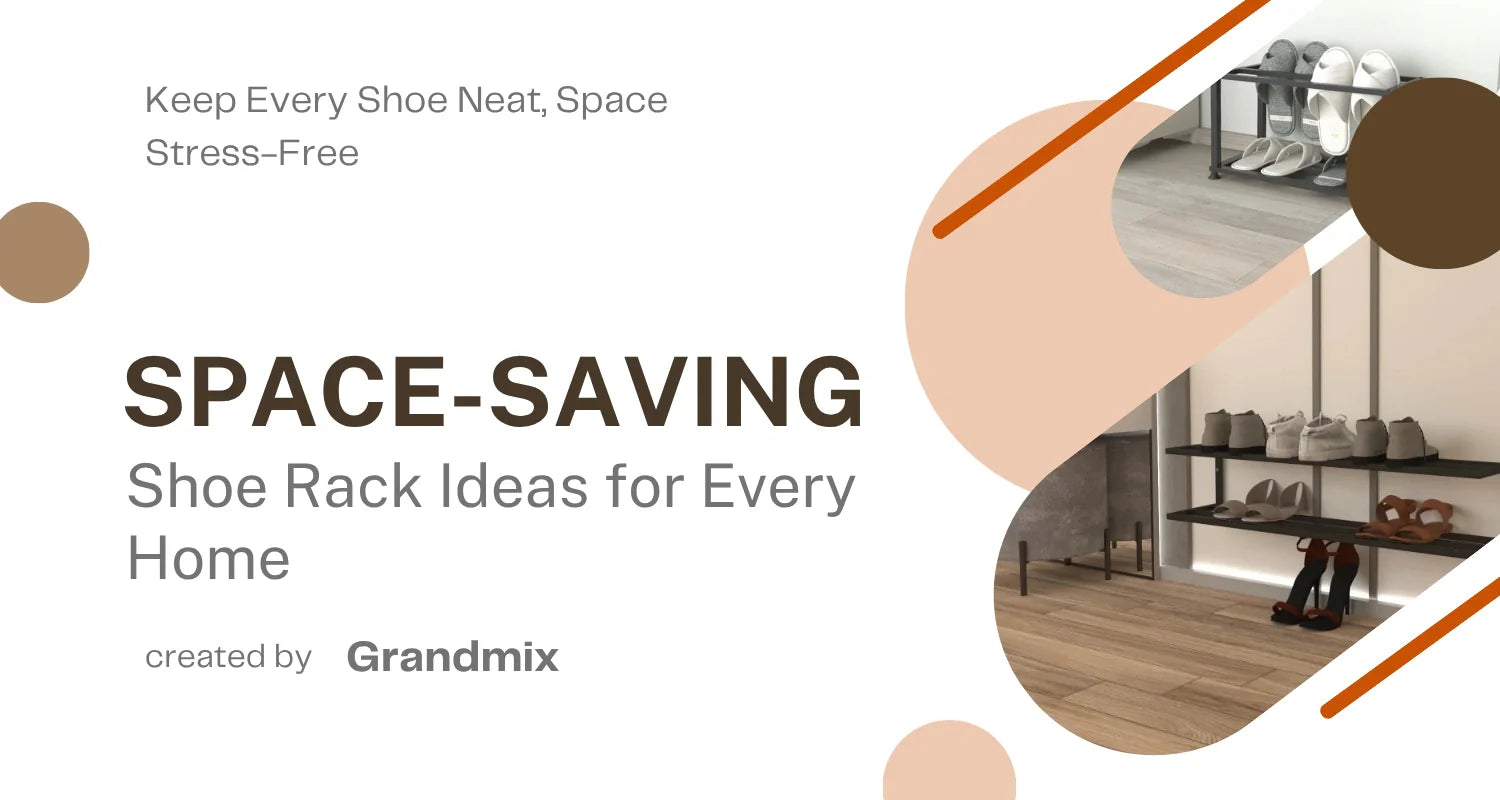
For more layout ideas, Grandmix already has a related guide on space-saving shoe rack ideas for every home. That topic pairs well with this entryway guide because shoe storage is often the first thing that needs a better system.
Add a Weather Zone for Umbrellas and Wet Gear
Umbrellas are awkward because they are tall, wet, and usually needed at the last minute. Without a dedicated place, they lean against walls, drip onto floors, or disappear into closets until the next storm. A small entryway works better when wet-weather items have their own zone.
A compact umbrella stand gives umbrellas a clear home without taking over the entry. It also creates a visual cue: rain gear belongs here, not scattered by the door. In a narrow hallway, place the stand in a corner where it does not interrupt the door swing or walking path. In an open entry, use it near the coat rack so jackets and umbrellas form one weather-ready area.
The best weather zone is not large. It is specific. It might hold two umbrellas, a shoe tray for wet boots, and one hook for a rain jacket. If the space is very small, even one umbrella stand can make the entry feel more intentional because it eliminates that leaning-against-the-wall look.
This is also where material matters. Metal storage pieces can be especially useful near entries because they are durable, visually slim, and easy to pair with many decor styles. A black metal umbrella holder, for example, can connect with a metal shoe rack, coat rack, or nearby wall decor without making the entry feel overly matched.
Create a Small-Item Landing Zone
Keys, sunglasses, mail, wallets, earbuds, and transit cards are small, but they create a surprising amount of visual noise. They also cause stress when they do not have a consistent place. The answer is a small-item landing zone: one tray, bowl, shelf, or drawer that captures the things people grab on the way out.
In a compact entryway, the landing zone should be shallow. A deep basket becomes a junk drawer without a drawer. A tiny tray forces editing. If mail lands at the entry, use a vertical sorter or a single slim tray and clear it regularly. If keys are the main issue, use a bowl or hook placed exactly where people naturally drop them.
Avoid turning the entryway into a full command center unless the space can support it. Large corkboards, calendars, paper bins, and charging stations can quickly overwhelm a small doorway. A better approach is to keep the entry zone focused on movement: what do people need to leave, and what should they put away immediately when they return?
If you already have a console table, edit the top aggressively. Keep one tray, one lamp if needed, and perhaps one decorative object. Empty horizontal surfaces attract clutter, especially near the door. The less surface area you provide, the fewer piles the entryway has to manage.
Choose Storage That Matches the Entryway Type
Not all small entryways have the same problem. A narrow hallway, apartment door, open-plan foyer, and side-door mudroom each need different storage choices. Before adding anything, identify the type of entry you have.
A narrow hallway needs depth control. Look for wall hooks, a narrow shoe rack, and storage that stays close to the wall. Avoid deep benches unless the hall is wide enough for people to pass comfortably. If the hallway is long, use the first third of the wall for storage and leave the rest visually quiet. This prevents the whole corridor from feeling like a storage zone.
An apartment entry often needs one compact all-in-one system because there may be no nearby closet. Use vertical hooks, a shoe rack, and a small tray, but keep the palette simple. Too many baskets, colors, and labels can make a small apartment entry feel busy. A coordinated metal rack and hook system can feel clean without looking like office storage.
An open-plan entry needs storage that looks good from the living room. This is where material and silhouette matter. A sculptural coat rack, a clean-lined metal shoe rack, or a compact umbrella stand can function as decor while still doing real work. The goal is to avoid pieces that look temporary or mismatched.
A side-door or garage entry can be more utility-focused. It may need heavier shoe storage, hooks for outdoor gear, and a place for wet items. Even then, keeping zones clear will prevent the area from becoming a catch-all.
Think in Zones, Not Products
One of the easiest ways to avoid overbuying is to design by zone. A zone is a job. A product is only useful if it performs that job. For a small entryway, the main zones are usually shoes, coats, weather, small items, and outgoing items.
The shoe zone might be a low rack. The coat zone might be wall hooks. The weather zone might be an umbrella stand. The small-item zone might be a tray. The outgoing zone might be a tote hook or small basket for returns, library books, or packages that need to leave the house.
When every zone has one job, the entryway becomes easier to maintain. People do not have to decide where something belongs. The system tells them. This matters more than the exact style of storage. A beautiful basket that holds the wrong mix of items will still become clutter. A simple rack that solves a clear problem will look better because it works.
This zone-based approach is also useful for internal linking and product discovery within a blog post. Instead of pushing a product, the article can explain the zone first and then point readers to a relevant category, such as Entryway Storage, Wall-Mounted Coat Racks, or Umbrella Stand, as examples of the type of solution that fits the problem.
Keep the Visual Weight Low
Small entryways can feel crowded even when they are organized. This often happens because the storage has too much visual weight. Dark, deep, or tall furniture can make a narrow space feel compressed. A pile of bulky coats can do the same. The goal is to keep the entry functional while preserving a sense of openness.
Use slim silhouettes where possible. Metal racks often work well because they create structure without looking blocky. Open shelves can look lighter than closed cabinets, but they require more editing because everything is visible. If you prefer closed storage, choose shallow pieces and keep the top uncluttered.
Color also matters. A small entryway does not need to be all white, but a limited palette helps. Choose two or three repeated finishes: perhaps black metal, warm wood, and a neutral wall color. Repetition makes the storage feel intentional rather than pieced together.
If you add decorative objects, keep them useful or minimal. A mirror can reflect light. A small piece of wall art can create personality. A tray can hold keys. But too many decorative objects compete with the practical items that already live in the entry. In small spaces, function often provides enough visual interest.
Use Hooks Carefully
Hooks are excellent for small entryways because they are fast, inexpensive, and vertical. They can also become messy if they are overloaded. The best hook systems are specific. Assign hooks by item type or person. For example, one hook for each daily jacket, one hook for a tote, and one hook for a leash.
Place hooks at a comfortable height. Adult coat hooks are often too high for children, which means kids drop jackets on the floor. If children use the entry, add lower hooks or a second row. If guests often visit, leave one hook empty. An empty hook may seem inefficient, but it makes the entry more hospitable and prevents guests from piling coats on chairs.
Wall-mounted coat racks with multiple hooks work best when the surrounding area is calm. If the wall is already full of art, shelves, and switches, hooks can make it feel cluttered. In that case, choose one clean rack and leave space around it. Negative space helps the rack look like part of the design rather than an afterthought.
For households with heavy bags, check the mounting surface and hardware. A hook system is only useful if it can support daily use. Secure installation is especially important for metal racks and hooks placed near busy doors.
Make the Entryway Easy to Clean
An entryway deals with dirt, dust, wet soles, leaves, and outdoor debris. Storage that looks good but is hard to clean will not feel good over time. Choose pieces that allow quick sweeping or vacuuming. Avoid layouts where shoes disappear under deep furniture and create dust pockets.
Open shoe racks are useful because they let air move around shoes and make it easier to see what needs to be put away. Metal racks can be wiped down easily. A small washable mat can catch dirt at the threshold, but it should not be so large that it bunches under the door.
If wet shoes are common, add a tray or mat under the shoe zone. If umbrellas drip, place the umbrella stand where water will not damage wood flooring. If bags come in dusty, give them a hook rather than a fabric bin that traps dirt.
Cleaning is part of design. A storage system that can be reset in two minutes is more likely to stay attractive than a system that requires moving heavy furniture or sorting hidden piles.
Avoid the Most Common Small Entryway Mistakes
The first common mistake is buying furniture before editing. If the entryway is holding too many items, new storage may simply hide the problem for a few weeks. Start by removing anything that is not used daily. Then choose storage for what remains.
The second mistake is relying only on baskets. Baskets can be useful, but they often become mixed piles. Shoes, scarves, mail, toys, and receipts can end up in the same container. Use baskets only when the category is clear and easy to maintain.
The third mistake is blocking movement. A bench, cabinet, or large rack may look practical online but feel awkward when placed near a swinging door. Measure the walkway and door clearance before adding floor storage.
The fourth mistake is ignoring wet items. A beautifully organized entry can still fail on rainy days if there is nowhere for umbrellas, boots, and damp coats. A small weather zone prevents seasonal chaos.
The fifth mistake is making the entry too decorative. If people are afraid to use the storage because it looks styled, the system will not last. The most successful small entryways look good because they support real habits.
Styling Ideas That Still Serve a Purpose
A small entryway does not have to be purely functional. It can still set the tone for the home. The best styling choices are useful, compact, and easy to maintain.
A mirror can make the entry feel brighter and more open. It also gives people a practical place to check appearance before leaving. A narrow piece of wall art can add personality without taking up surface space. A small rug can define the entry zone in an open-plan home. A tray can make keys and sunglasses look intentional rather than scattered.
If you use metal storage pieces, repeat the finish once or twice. A black metal shoe rack can connect visually with a black wall-mounted coat rack or metal-framed mirror. This kind of repetition makes a small entryway feel designed without requiring a full furniture set.
Plants can work if the entry has enough light and the plant does not block movement. Choose one vertical plant rather than several small pots. If the entry is dark, skip live plants and use texture through a rug, basket, or wood accent instead.
The styling rule is simple: every decorative choice should either save space, reflect light, define the zone, or make the storage feel intentional.
Product Placement Without a Sales Tone
Because this is an informational blog post, product mentions should be light and contextual. The reader is looking for ideas, not a hard sell. The best way to include Grandmix products is to connect them to a specific problem.
For example, in a section about daily shoe clutter, it is natural to mention that a slim rack from the Metal Shoe Rack collection can create a fixed boundary for everyday pairs. In a section about coats and bags, a wall-mounted coat rack can be framed as a way to keep the floor open. In a weather section, an umbrella stand can be shown as a practical solution for wet gear.
This style supports SEO and AI visibility because the content answers the question first, then provides relevant examples. It avoids sounding like a product category page. It also gives search engines and AI systems clear entity relationships: small entryway storage connects to shoe racks, coat racks, umbrella stands, hallway organization, and home decor.
Small Entryway Storage Ideas by Household Type
For a single-person apartment, keep the system minimal: one shoe rack, one hook rail, one tray, and one umbrella stand if needed. The entry should support a quick routine without becoming a storage closet.
For couples, divide storage by person. Two hooks, two shoe spaces, and one shared tray may be enough. If both people use bags daily, give each bag a specific hook so the floor stays clear.
For families, visibility matters. Children are more likely to use storage when it is low, open, and obvious. Add lower hooks, limit shoe pairs, and use labels only if they genuinely help. A family entryway needs easy reset more than perfect styling.
For pet owners, add a leash hook and perhaps a small container for waste bags or towels. Keep pet items near the door but separate from keys and mail. This prevents the landing zone from becoming a mixed pile.
For frequent guests, leave a small amount of empty capacity. One open hook, a little shoe space, and a clear place for umbrellas can make a small entry feel welcoming without adding much storage.
How to Maintain the System
The best entryway storage system includes a reset habit. Once a week, remove anything that does not belong. Put away extra shoes. Clear receipts and mail. Return seasonal gear to closets. Wipe the shoe rack and shake out the mat.
This reset should take less than ten minutes. If it takes longer, the system is probably storing too much. A small entryway should not require deep organizing every week. It should need only light editing.
Seasonal resets are also important. In winter, the entry may need boots, heavier coats, gloves, and wet-weather gear. In summer, it may need sandals, sunglasses, hats, and outdoor totes. Do not expect one setup to work all year without adjustment. Rotate items so the entry reflects the current season.
Maintenance becomes easier when the storage pieces are visible and specific. Open hooks remind people where jackets go. A shoe rack shows when too many pairs have collected. An umbrella stand makes rain gear obvious. Visibility can be a design advantage.
FAQ
How do you add storage to a very small entryway?
Use the wall first. A wall-mounted coat rack, narrow shoe rack, umbrella stand, and small tray can organize the main entryway items without taking up much floor space. Keep only daily-use items near the door and move extras elsewhere.
What should be stored in an entryway?
An entryway should store the items used when entering or leaving: daily shoes, coats, keys, umbrellas, bags, pet leashes, and a small amount of outgoing mail or returns. It should not store every seasonal item the household owns.
How do you organize shoes in a narrow entryway?
Limit the number of shoes first, then use a slim shoe rack or wall-mounted shoe rack. Keep only the daily rotation by the door and move formal, seasonal, or rarely worn shoes to a closet.
Are coat racks good for small entryways?
Yes. Wall-mounted coat racks are especially useful because they use vertical space and keep the floor open. They work best when they are not overloaded and when each person has a clear hook or two.
Where should umbrellas go in a small entryway?
Umbrellas should go in a compact stand near the door, ideally in a corner that does not block traffic. A dedicated umbrella stand keeps wet items off the floor and makes rainy-day routines easier.
Final Takeaway
A small entryway works when it stops trying to be a storage closet and starts acting like a clear transition zone. Give daily shoes a strict boundary. Move coats and bags onto the wall. Keep umbrellas in a weather zone. Use one small landing place for keys and mail. Edit the space weekly so it never has to carry more than it should.
When the system is simple, people use it. When people use it, the entryway stays calm. That is what makes a small entryway feel bigger: not more square footage, but fewer decisions at the door.

Leave a comment
This site is protected by hCaptcha and the hCaptcha Privacy Policy and Terms of Service apply.