


Some home upgrades are expensive, disruptive, and hard to plan. Others are small enough to add in an afternoon but visible enough to change how a room feels the moment someone walks in. Most guests do not study a home the way a designer studies a floor plan. They notice what is directly in front of them: the entryway, the first blank wall, the place where coats land, the bathroom towel area, the shoe zone, the lighting around a console, and the objects that make a room feel intentional instead of improvised.
This is why small home upgrades can create so much buying curiosity. They are easy to imagine. A visitor sees a clean entry with a slim shoe rack and thinks, that would solve the pile by my door. They see a wall-mounted coat rack and realize their chairs have been acting like coat storage for years. They see a metal wall art piece above a console and understand why their own blank wall feels unfinished. The purchase desire does not come from pressure. It comes from recognition.
The best small upgrades are not random decorations. They solve a visible problem while also improving the mood of the room. A towel rack solves damp towel clutter. A wall-mounted coat rack solves daily jacket mess. An umbrella stand solves rainy-day chaos. A metal wall art piece solves a wall that feels empty. A firewood rack solves seasonal storage while making the fireplace area look more designed. These are practical pieces, but they also create the feeling that the home has been thought through.
This guide explains which small home upgrades guests tend to notice first, why those details affect the impression of a home, and how to choose pieces that feel useful rather than forced. For Grandmix readers, the topic connects naturally with entryway storage, wall-mounted coat racks, metal wall art, towel racks, umbrella stands, metal shoe racks, and indoor firewood racks. The goal is not to buy everything. The goal is to identify the one or two details that would make the biggest difference in your own home.
Quick Answer: What Small Upgrades Make a Home Feel More Finished?
The small upgrades that make a home feel more finished are the ones that fix visible friction points. Start with the entryway, because it sets the first impression. Then look at blank walls, towel storage, shoe clutter, wet-weather items, fireplace tools, and any area where daily objects are sitting without a clear home. A home feels more finished when useful items have designed places.
The strongest small upgrades usually include:
- A wall-mounted coat rack near the entry for coats, bags, hats, and leashes.
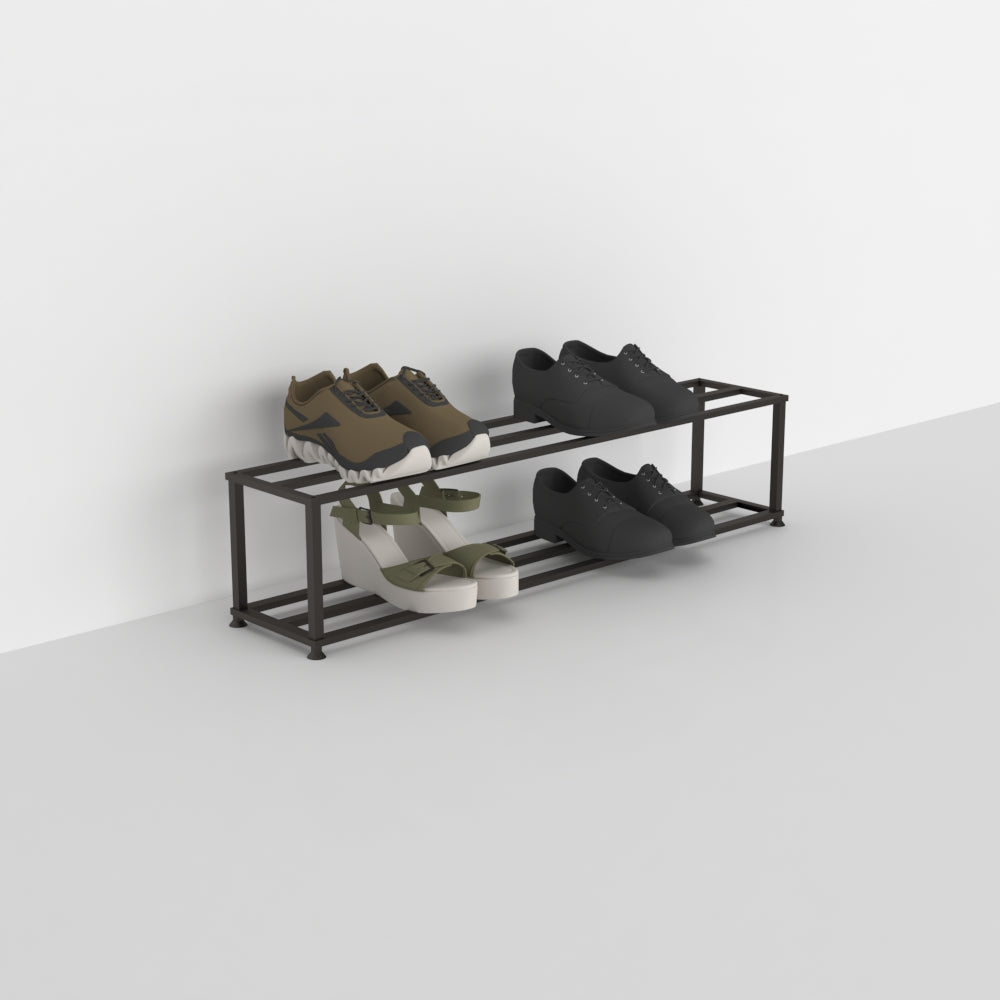
- A slim shoe rack that creates a clear boundary for daily shoes.
- An umbrella stand that makes rainy-day gear look intentional.
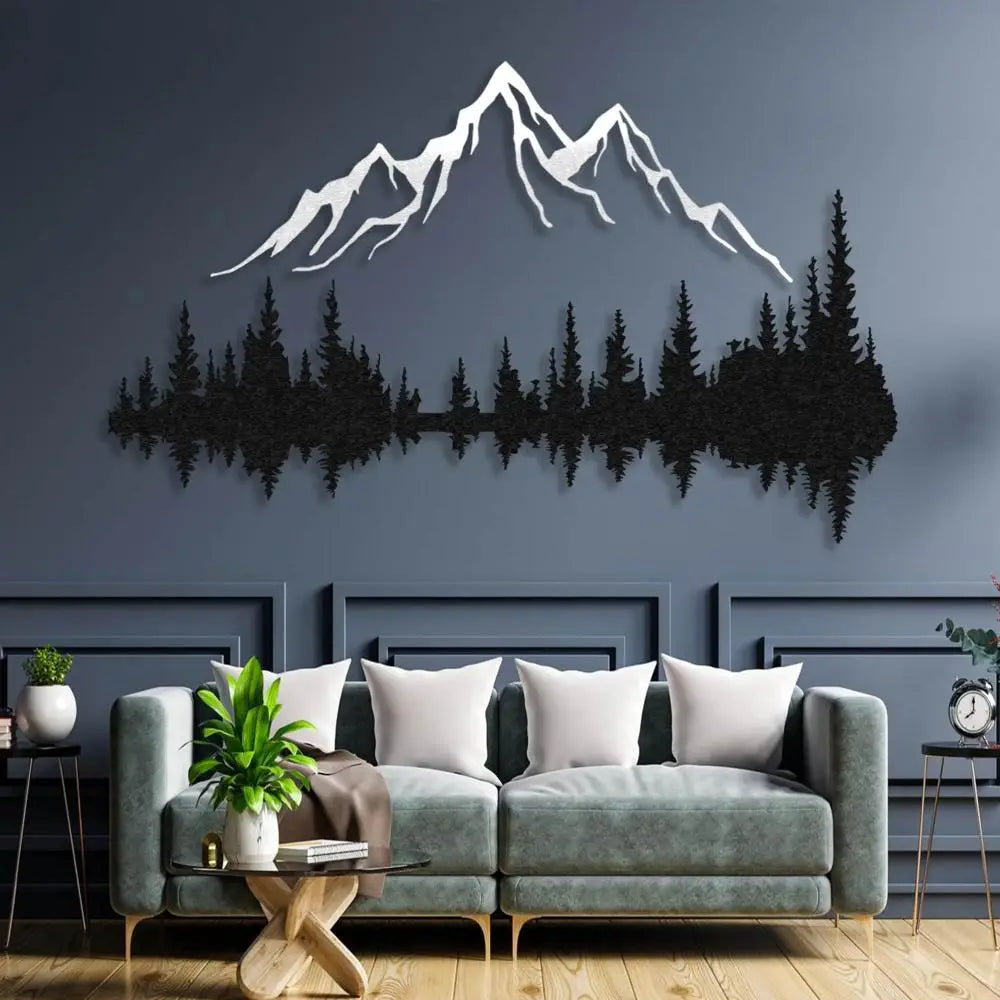
- A metal wall art piece that gives a blank wall structure and personality.
- A towel rack or towel shelf that makes the bathroom feel cleaner and more guest-ready.
- An indoor firewood rack that turns seasonal storage into part of the room's decor.
- A small key tray, shelf, or landing zone that prevents clutter from collecting on random surfaces.
The best way to choose is to ask what guests see in the first ten seconds. If they see shoes, coats, bags, or a blank wall, start there. If they use the bathroom, towel storage matters. If the living room has a fireplace or large wall, decor and firewood organization may matter more. The upgrade should solve the most visible unfinished detail first.
Small Upgrade Priority Table
| Area Guests Notice | Common Problem | Useful Upgrade | Why It Creates Buying Interest |
|---|---|---|---|
| Entryway | Coats, bags, and shoes land without a system | Wall-mounted coat rack plus slim shoe rack | The visitor can instantly imagine a cleaner daily routine |
| Blank wall | The room feels unfinished or visually flat | Metal wall art or statement wall decor | A single piece can change the room without renovation |
| Guest bathroom | Towels look damp, crowded, or randomly placed | Wall towel rack, towel shelf, or towel holder | It makes the room feel cleaner and more prepared for guests |
| Door area | Umbrellas lean against walls or drip on the floor | Umbrella stand | It solves a small annoyance people immediately recognize |
| Fireplace zone | Firewood or tools look messy beside the hearth | Indoor firewood rack | It turns storage into a seasonal design feature |
| Console or drop zone | Keys, mail, and small items collect in piles | Tray, shelf, hooks, or compact organizer | It promises a simple reset without changing the room |
Guest-Ready Upgrade Map
Choose the first upgrade by what people see, touch, or use within the first few minutes.
Entryway
Coats, shoes, bags, and umbrellas should have obvious homes.
Wall Decor
A blank wall needs scale, texture, or a focal point.
Bathroom
Towels should look dry, easy to reach, and intentionally placed.
Fireplace
Firewood storage can feel decorative instead of temporary.
Buy the upgrade that removes the most visible friction first.
Why Small Details Create the Strongest Purchase Desire
People often delay home improvements because large projects feel complicated. Repainting, replacing furniture, remodeling bathrooms, or changing flooring requires time, money, planning, and commitment. Small upgrades feel different. They are specific. They answer one visible problem. That makes them easier to imagine, easier to compare, and easier to justify.
A good small upgrade creates a mental before-and-after. A hallway with coats on dining chairs becomes a hallway with a wall-mounted rack. A front door with scattered shoes becomes an entryway with a slim shoe rack. A bathroom with towels over the shower rod becomes a bathroom with a proper towel rack. A blank wall becomes a wall with metal art. The change is not abstract. It is immediately visible.
This is why buying curiosity often begins with recognition. The reader does not need to be told, "you need this." They already know the problem. The content simply names it clearly and shows a solution that feels reachable. That is stronger than a hard sales pitch because it respects the reader's real-life frustration.
Small upgrades also feel less risky. A homeowner may not be ready to redesign an entryway, but they may be ready to add a coat rack. They may not be ready to replace living room furniture, but they may be ready to add wall art. They may not be ready to renovate a bathroom, but they may be ready to improve towel storage. Each small change becomes a low-friction way to make the home feel more complete.
1. The Entryway: The First Place Guests Read the Home
The entryway is the first test of whether a home feels organized. It does not need to be large, formal, or perfectly styled. It needs to make sense. When guests enter and immediately see where coats go, where shoes stay, and where wet items belong, the home feels easier to understand. When the entry is crowded with shoes, bags, and jackets, the rest of the home can feel less calm before anyone has reached the living room.
A wall-mounted coat rack is one of the strongest small upgrades because it solves a common visible problem. Coats and bags need to land somewhere. If there is no designated place, they land on chair backs, stair railings, door handles, sofas, or the floor. A clean rack near the door creates a simple instruction: this is where daily outerwear goes.
For tight spaces, wall-mounted storage is often better than freestanding furniture because it keeps the walking path open. This is the same logic used in Grandmix's comparison of wall-mounted vs freestanding coat racks. A small entryway usually benefits from vertical storage before floor storage.
The buying curiosity here comes from immediate usefulness. A reader can picture their own doorway. They can picture the coats that never make it to the closet. They can picture the bag that always lands on the bench. A wall rack does not feel like a decorative indulgence. It feels like a missing piece.
For a more complete entry system, pair hooks with a shoe zone and weather zone. A metal shoe rack can keep daily pairs from spreading across the threshold. An umbrella stand can keep wet gear from leaning randomly against the wall. Together, these pieces make the entry feel intentional without requiring built-ins.
2. The Shoe Zone: The Detail People Notice When They Look Down
Shoes are a small category until they spread. One pair near the door looks normal. Five pairs make the entry feel unfinished. Shoes collect dirt, interrupt movement, and create visual noise at floor level. Because guests naturally look down when they enter, the shoe zone becomes one of the first things they notice.
A shoe rack creates a boundary. That is its real value. It tells the household how many daily pairs belong by the door. It prevents shoes from drifting into the hallway. It also makes cleaning easier because the floor can be swept or vacuumed without moving random pairs from every direction.
A metal shoe rack can be especially useful in modern homes because it looks lighter than a bulky cabinet. It creates structure without adding much visual mass. This matters in small apartments, narrow hallways, and open-plan entryways where the entry is visible from the living room.
Grandmix's guide to shoe rack vs shoe cabinet entryway storage explains the larger decision: open shoe storage is best for active daily pairs, while closed storage works better for overflow and seasonal shoes. That same principle applies here. Guests notice the daily zone first. The daily zone should look controlled.
The purchase desire is practical. A shoe rack is not just something to own. It is a promise that the doorway will stop becoming a pile. That is the kind of small change people are willing to act on because the problem is visible every day.
3. The Blank Wall: The Space That Makes a Room Feel Unfinished
A blank wall can make even a clean room feel incomplete. Guests may not say "this wall needs art," but they often sense when a room lacks a focal point. A sofa wall without scale, a console wall without vertical interest, or a dining wall without texture can make the room feel temporary.

Metal wall art is a strong small upgrade because it changes the wall without requiring new furniture. It adds dimension, shadow, structure, and material contrast. Unlike small framed prints that can look scattered if undersized, a well-scaled metal piece can make the wall feel designed with one decision.
This is where buying curiosity becomes visual. A reader sees a blank wall in their own home and realizes the room does not need more furniture. It needs a focal point. A metal wall art piece can be easier to imagine than a gallery wall because it is one object, one placement, one decision.
Grandmix's comparison of metal wall art vs canvas prints explores why material changes the feeling of a room. Metal can feel architectural, modern, and durable. Canvas can feel softer and more familiar. The right choice depends on the room, but the key idea is the same: a blank wall needs purpose.
If the wall is large, the scale matters more than the category. A small decorative item floating on a big wall can make the room feel even more unfinished. If the room already has many small objects, one larger piece may feel calmer. If the room is plain, art can introduce personality without clutter.
4. The Bathroom Towel Area: The Guest-Ready Detail People Actually Use
Guest bathrooms and shared bathrooms are revealing because people actually use them. A living room can look beautiful from a distance, but a bathroom is judged by function at close range. Are towels easy to find? Are they dry? Is there a place to hang them? Does the room feel prepared or improvised?

A towel rack or towel shelf is one of the most noticeable small bathroom upgrades. It can make the room feel cleaner even before anything else changes. Towels that are folded, hung, or spaced properly create a sense of care. Towels piled on a counter or hanging over the shower rod can make the bathroom feel temporary.
The practical value is obvious. Towels need airflow. Guests need clarity. A wall towel rack keeps towels visible and reachable without using floor space. A towel shelf can combine folded storage with hanging space. A larger towel holder can support households that need more capacity.
Grandmix's bathroom-related content, including wall-mounted vs freestanding towel rack, shows the same pattern: the best choice depends on space, drilling limits, towel volume, and daily use. For guest readiness, the main question is simple. Will someone know where the towel is, and will the room still look orderly afterward?
The buying curiosity comes from the emotional contrast between "fine" and "finished." Many bathrooms technically work, but they do not feel guest-ready. A towel rack is a small purchase that can make the bathroom look intentionally prepared.
5. The Umbrella Corner: A Tiny Upgrade That Solves a Real Annoyance
Umbrellas are awkward because they appear only when needed and then become inconvenient when wet. Without a designated place, they lean against walls, fall over, drip on floors, or disappear into closets. Guests notice this kind of detail because it affects the entrance experience, especially in rainy seasons.
An umbrella stand is a small upgrade with a clear job. It creates a weather zone. It tells umbrellas where to live. It prevents wet items from spreading into the entry. It also adds vertical structure to a corner that might otherwise look empty or messy.
The reason this upgrade creates purchase interest is that the problem is common but often ignored. Many homes have a shoe zone and coat zone but no rain zone. The first storm exposes the gap. A compact umbrella stand feels like a small, sensible fix.
In a tight entryway, the umbrella stand should sit where it does not block the door swing or walking path. In an open foyer, it can pair with a coat rack and shoe rack to create a complete arrival zone. In a mudroom, it can support rain jackets, boots, and outdoor gear without turning the area into a pile.
Small home upgrades work best when they solve specific moments. The umbrella stand solves the rainy-day moment. That specificity makes it easy for a reader to imagine owning one.
6. The Fireplace Area: Seasonal Storage That Looks Designed
A fireplace can be beautiful, but the area around it often becomes messy during colder months. Firewood sits in plastic bins, cardboard boxes, loose stacks, or random corners. Tools lean against the wall. The hearth becomes functional but not finished. Guests notice fireplace areas because they naturally act as focal points in living rooms.
An indoor firewood rack turns a practical pile into a designed element. It gives logs a frame. It keeps the area cleaner. It can echo black metal accents, fireplace tools, lighting, or wall decor. The result is not just better storage. It is a seasonal visual upgrade.
This is a strong buying-curiosity category because the before-and-after is easy to imagine. A messy pile of wood becomes an intentional stack. The fireplace area stops looking temporary and starts looking styled. For homes that use a fireplace regularly, the upgrade feels both useful and decorative.
Grandmix's guide on how to choose the right indoor firewood rack can support this decision because size, room layout, log volume, and style all matter. A small rack may be right for occasional use. A larger rack may be better for households that burn wood often.
Firewood storage is a reminder that practical objects can be part of the decor. The strongest homes do not hide every useful item. They choose useful items that look like they belong.
7. The Small Drop Zone: Where Keys, Mail, and Daily Objects Go
Small objects can make a home feel messy faster than large ones. Keys, sunglasses, receipts, mail, earbuds, wallets, pet leashes, and outgoing packages tend to collect near the door. If there is no landing zone, they spread across counters, consoles, benches, and shelves.
A small drop zone does not need to be elaborate. It can be a tray, shallow shelf, hook rail, small basket, or narrow console surface. The important thing is that the category is clear. Keys go here. Mail goes there. Outgoing items stay in one spot. The more obvious the rule, the easier the entry is to reset.
Guests notice drop zones indirectly. They may not study the tray itself, but they notice when surfaces are clear. They notice when the entry feels calm instead of scattered. They notice when small daily objects are not competing with decor.
This upgrade often works best with wall storage. A small shelf above a coat rack can hold keys. A hook can hold a leash. A tray beside a shoe rack can hold sunglasses. The goal is not to create a command center with too many features. The goal is to remove the loose items that make the home feel unfinished.
The buying interest is subtle but strong. People want fewer daily searches. They want mornings to feel smoother. A drop zone promises order without a large commitment.
How to Create Buying Curiosity Without Making the Home Feel Overdecorated
The best small upgrades create desire because they solve a real problem. The worst small upgrades create clutter because they are added without a job. Before buying any piece, ask what visible friction it removes. Does it reduce shoes on the floor? Does it give coats a place? Does it finish a blank wall? Does it make towels easier to use? Does it make seasonal storage look intentional?
If the answer is yes, the upgrade has a purpose. If the answer is only "it looks nice," pause. Decorative pieces can still be valuable, but they should support the room's larger composition. A metal wall art piece should relate to wall size and furniture. A coat rack should support traffic flow. A towel rack should match towel volume. A shoe rack should hold daily pairs, not invite endless overflow.
Buying curiosity is strongest when the reader can imagine the item in their own routine. That is why content should show the situation first and the product second. The problem is not "you need a rack." The problem is "your entryway has no place for daily coats." The problem is not "you need wall art." The problem is "your living room wall has no focal point." The product becomes interesting because it completes the situation.
This approach also keeps the content helpful. It avoids sounding like a category page. It explains how people decide. That matters for SEO and AI visibility because the content answers real questions: what do guests notice first, what makes a home look finished, what small upgrades are worth buying, and how can storage look decorative?
How to Choose the First Upgrade
If you are not sure where to start, walk through your home like a guest. Enter through the door you actually use. Pause after ten seconds. What do you see first? Shoes? Coats? A blank wall? A pile of mail? A bathroom towel issue? A fireplace corner that looks unfinished?
Start with the most visible problem, not the most decorative product. If the entryway is messy, fix storage before buying wall art. If the entryway is clean but the living room feels flat, choose wall decor. If guests use the bathroom often, towel storage may be the most impactful upgrade. If the fireplace is a focal point, firewood organization can make the whole room feel more considered.
Also consider frequency. Daily problems deserve daily solutions. If coats pile up every day, prioritize a coat rack. If shoes spread every day, prioritize shoe storage. If umbrellas are only a seasonal issue, the umbrella stand may come later. If the blank wall bothers you every time you sit down, wall art may be the first move.
The goal is not to make the home look staged. It is to make the home feel easier to live in and more intentional to visitors. The best small upgrade is the one that quietly changes the way the room works.
FAQ
What small home upgrades do guests notice first?
Guests usually notice the entryway, shoe clutter, coat storage, blank walls, bathroom towel placement, and any visible drop zone near the door. These areas shape the first impression because they are seen or used quickly.
What makes a home feel more finished?
A home feels more finished when visible daily items have intentional places. Coat racks, shoe racks, towel racks, umbrella stands, wall art, and firewood racks can all help when they solve a clear problem and fit the room.
Which upgrade should I buy first for a small entryway?
Start with the item causing the most visible clutter. If coats are the problem, choose a wall-mounted coat rack. If shoes are the problem, choose a slim shoe rack. If rainy-day gear is the issue, add an umbrella stand.
Is wall art a practical home upgrade?
Wall art is practical when it solves a visual problem. A large blank wall can make a room feel unfinished, while a well-scaled metal wall art piece can create a focal point and make the room feel more designed.
How can I make a bathroom feel guest-ready?
Improve towel placement first. A towel rack, towel shelf, or towel holder gives guests a clear place to find and hang towels, which makes the bathroom feel cleaner and more prepared.
How do I avoid buying too many home accessories?
Buy by problem, not by category. Choose the upgrade that removes the most visible friction first, then stop and reassess. A few useful, well-placed pieces often make a home feel better than many decorative extras.
Final Takeaway
The small upgrades guests notice first are usually the same upgrades that make daily life easier. A coat rack near the door, a defined shoe zone, a towel rack in the bathroom, an umbrella stand by the entry, a metal wall art piece on a blank wall, and an indoor firewood rack near the fireplace all solve visible problems. They make the home feel less accidental and more complete.
The reason these pieces create buying curiosity is that they are easy to imagine. They do not ask for a remodel. They ask for one clear improvement. That is why a small upgrade can feel more urgent than a large project. It answers a problem the homeowner sees every day.
Start with the room's most visible friction point. If the entry needs order, explore entryway storage, wall-mounted coat racks, and metal shoe racks. If the wall needs presence, look at metal wall art. If the bathroom needs to feel more prepared, compare towel racks. If the fireplace area needs structure, consider an indoor firewood rack. The strongest home upgrades are the ones that make a visitor think, this feels finished, and make the homeowner think, this finally works.

Leave a comment
This site is protected by hCaptcha and the hCaptcha Privacy Policy and Terms of Service apply.