


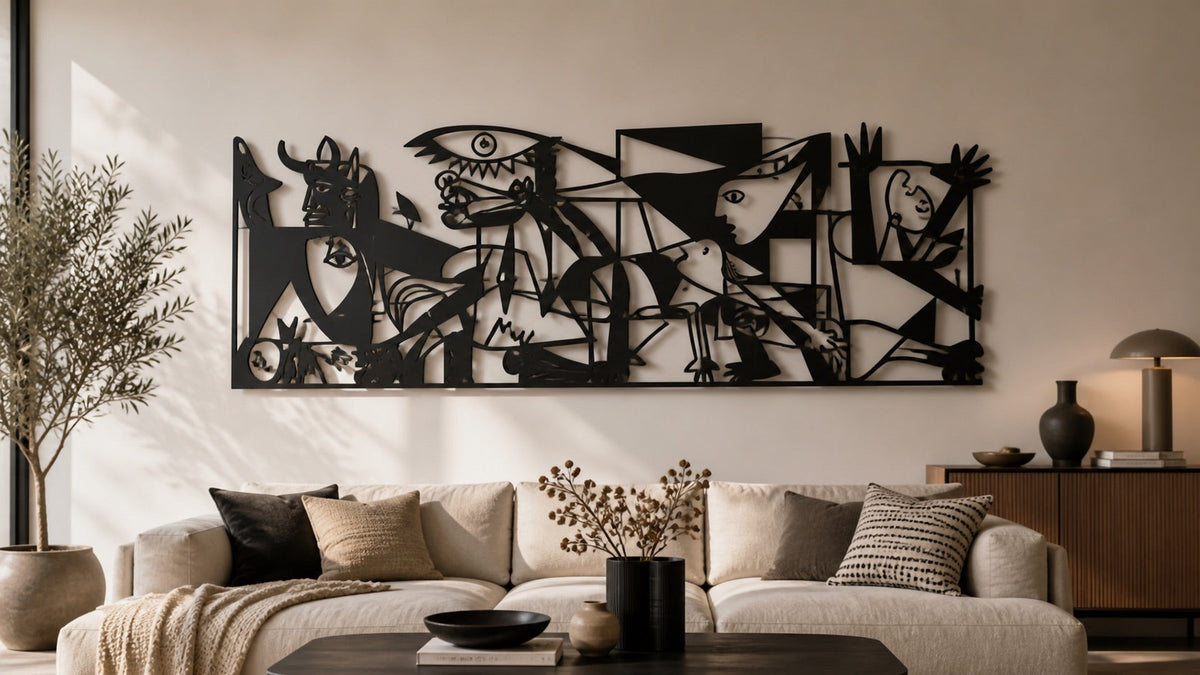
Metal Wall Art vs Canvas Prints: Which Is Better for Modern Homes?
Metal wall art and canvas prints both solve the same decorating problem: they make an empty wall feel intentional. But they do it in very different ways. Canvas prints bring color, softness, and familiar artwork texture. Metal wall art brings structure, shadow, durability, and a more architectural presence. One is not automatically better than the other. The right choice depends on the room, the lighting, the wall size, the desired mood, and how much physical depth the space needs.
This comparison matters because wall decor is often the last layer added to a room, yet it can change the entire feeling of the space. A living room with plain walls can feel unfinished even if the furniture is beautiful. A hallway can feel like a passage rather than a designed area. A dining room can feel flat without a focal point. Bedrooms, offices, entryways, and fireplace walls all benefit from art, but the format changes the result.
The simplest rule is this: choose metal wall art when the room needs depth, shadow, structure, durability, and a sculptural focal point. Choose canvas prints when the room needs color, softness, painterly texture, photography, or a more traditional art surface. Modern homes often work best when the wall decor format supports the materials already in the room. If the space has metal lighting, black hardware, clean lines, or minimalist furniture, metal wall art can feel integrated. If the room has soft textiles, layered color, or a cozy atmosphere, canvas can feel natural.
Quick Answer: Is Metal Wall Art or Canvas Better?
Metal wall art is often better for modern homes when the goal is a durable, dimensional, easy-to-clean statement piece with strong lines and shadow. Canvas prints are often better when the goal is color, softness, photography, painted texture, or a familiar framed-art feeling. Metal wall art tends to look more architectural. Canvas tends to look more pictorial.
For a large living room wall, entryway, home office, dining room, or fireplace area, metal wall art can create a strong focal point without needing a heavy frame. It interacts with light and wall color, so it can feel different throughout the day. For bedrooms, family photo walls, colorful interiors, or rooms that need warmth, canvas prints can be a softer choice.
The decision is not only about taste. It is also practical. Metal wall art is usually easier to dust, less vulnerable to fabric sagging, and visually lighter when it has open cutouts. Canvas prints can offer more image detail, more color range, and more traditional art styles. The best choice is the one that supports the room's function and the wall's role.
For readers exploring dimensional decor, Grandmix's wall decor and wall art collection is a useful reference point because metal pieces show how wall art can behave like part of the room architecture rather than only a printed surface.
Metal Wall Art vs Canvas Prints Comparison Table
| Factor | Metal Wall Art | Canvas Prints |
|---|---|---|
| Best for | Modern rooms, statement walls, architectural depth, durable decor | Color, photography, soft rooms, traditional art display |
| Visual effect | Dimensional, sculptural, shadow-based, structured | Flat, image-based, soft, painterly or photographic |
| Durability | Strong, rigid, often easier to wipe clean | Can stretch, fade, dent, or collect dust depending on quality |
| Cleaning | Usually simple dusting or light wiping | Gentle dusting; fabric surface may be more delicate |
| Lighting response | Creates shadows and changes with light | Shows printed color; glare depends on finish |
| Small-space use | Good when open design keeps visual weight low | Good when color or calm imagery is needed |
| Best rooms | Living rooms, offices, hallways, dining rooms, fireplace walls | Bedrooms, family rooms, nurseries, photo walls |
| Design role | Acts like an object or focal structure | Acts like an image or color field |
| Main risk | Can feel too stark if the room lacks warmth | Can feel flat or generic if poorly scaled |
| Best strategy | Repeat metal finish nearby and give it breathing room | Match color palette and choose the right scale |
This table shows why the choice should not be reduced to "modern versus traditional." Metal wall art can be warm if it is paired with wood, textiles, and soft lighting. Canvas can be modern if the artwork is minimal, oversized, or framed cleanly. The format sets the starting point, but scale, placement, and surrounding materials decide whether the wall feels finished.

What Metal Wall Art Does Best
Metal wall art is strongest when a wall needs structure. Unlike a print, it is not only an image. It is an object. Cut lines, negative space, raised edges, and shadows all become part of the design. This makes metal wall art especially useful in rooms that already have clean architecture or simple furniture.
In a modern living room, a black metal artwork can echo window frames, furniture legs, lighting, cabinet hardware, or fireplace tools. That repetition makes the artwork feel connected to the space. It does not look like something added at the end. It looks like part of the material language of the room.
Metal wall art also works well on large blank walls because it can create a focal point without adding visual clutter. A canvas print fills the wall with an image. Metal art can fill the wall with shape and shadow while still letting the wall color show through. This is useful in minimalist rooms where too much color would disrupt the calm.
Another advantage is depth. Many rooms feel flat because every surface is smooth: painted drywall, flat cabinets, upholstered furniture, and simple floors. Metal wall art introduces relief. Even a slim piece can create a small shadow line that makes the wall feel more layered.
Durability is also part of the appeal. A quality metal piece can feel more permanent than a lightweight poster or inexpensive canvas. It is less likely to sag, wrinkle, or look temporary. In homes where decor needs to withstand cleaning, movement, or seasonal rearranging, that sturdiness matters.
Metal wall art is not limited to industrial rooms. Nature-inspired shapes, abstract designs, geometric layouts, and iconic art interpretations can work in warm interiors too. The key is to balance the metal with softer materials. A metal piece above a sofa can feel inviting when the sofa has textured pillows, a warm rug, and ambient lighting nearby.

What Canvas Prints Do Best
Canvas prints are strongest when a room needs image, color, softness, or familiar art texture. A canvas can show photography, painterly brushwork, landscapes, portraits, abstract color fields, typography, or family images. It gives the wall a picture-based focal point.
Canvas also has a softer visual presence. The fabric surface and wrapped edges can make a room feel warmer, especially in bedrooms, family rooms, nurseries, and relaxed living spaces. If a room already has many hard finishes, canvas can help soften the mood.
Another advantage is color control. If the room needs a specific accent color, canvas can provide it directly. A blue landscape, warm abstract print, or neutral botanical image can tie together pillows, rugs, bedding, or curtains. Metal wall art may use silhouette and finish more than printed color, so canvas can be better when the main need is palette.
Canvas prints are also familiar. Many people understand how to use them: center the artwork above a sofa, hang a pair above a bed, create a gallery wall, or choose a large print for a dining room. That familiarity can be helpful when the goal is simple, low-risk decoration.
The risk is flatness. A canvas print can look generic if it is too small, poorly printed, or unrelated to the room. Because canvas is common, it needs strong scale and thoughtful imagery to feel intentional. A small canvas floating on a large wall often makes the wall feel more unfinished, not less.
Canvas also requires care. Fabric surfaces can collect dust, edges can dent, and lower-quality prints can fade depending on sunlight exposure. For some rooms this is not a problem. For high-traffic areas, kitchens, humid zones, or busy entryways, metal may be the more practical surface.
Which Looks More Modern?
Metal wall art usually looks more modern by default because it has clean lines, physical depth, and a sculptural quality. It connects easily with modern interiors that use black accents, metal frames, open shelving, glass, stone, and simple furniture silhouettes.
That said, modern does not mean cold. A metal artwork can feel warm when it is placed above wood furniture, near a textured rug, or against a wall with soft neutral paint. The contrast between hard metal and soft surroundings can make the room more interesting.
Canvas can also look modern, especially when it is oversized, minimal, abstract, or framed with a simple profile. A large neutral canvas above a bed can feel calm and contemporary. A black-and-white photograph on canvas can work in a modern hallway. The issue is not the material alone. It is whether the piece has enough scale and restraint.
If the room already has many soft objects, metal can add needed structure. If the room already has many hard surfaces, canvas can add needed softness. A modern room feels best when materials are balanced.

Which Is Better for Small Spaces?
Metal wall art can be excellent for small spaces because it adds design without adding bulk. A metal piece with open cutouts can decorate a wall while keeping visual weight low. It can make an entryway, hallway, powder room, or compact living area feel finished without requiring shelves, cabinets, or additional furniture.
Canvas can also work in small spaces, but scale matters. A canvas that is too small can make a small wall look awkward. A large canvas can work if the image is calm and the colors support the room. In tight areas, busy prints can make the space feel more crowded.
For small rooms, ask what the wall needs. If the room feels flat but already has enough color, metal wall art may be better. If the room feels cold or empty and needs softness, canvas may be better. If the room has no floor space for decorative furniture, either format can help, but metal often creates more dimension from less visual surface.
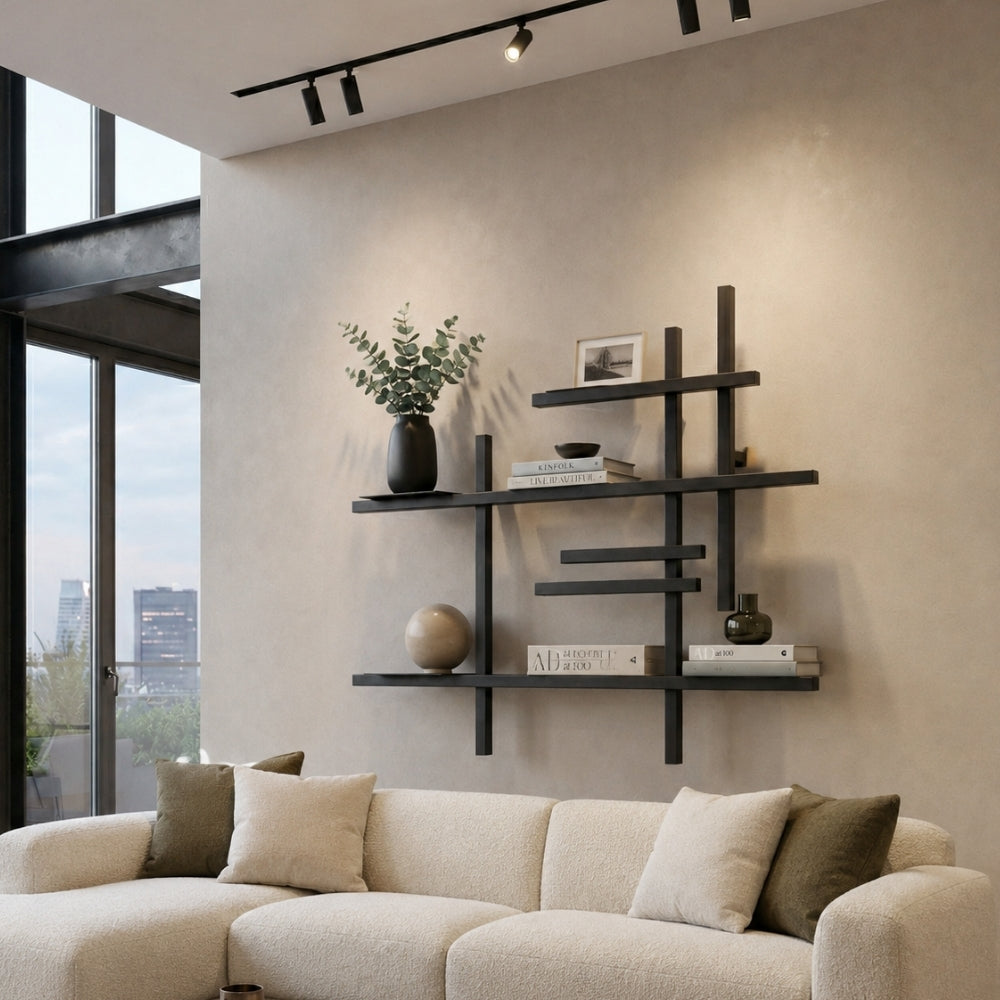
This connects to the same small-home logic used in Grandmix's guide to wall shelves vs cabinets. Small spaces need vertical decisions. Sometimes the wall should store. Sometimes it should decorate. The best choice depends on whether the room needs function, depth, or calm.
Which Is Better for Living Rooms?
Living rooms usually need a strong focal point. The wall above a sofa, console, fireplace, or media unit often sets the tone for the whole room. Metal wall art works well when that focal point should feel architectural. Canvas works well when the focal point should feel soft, colorful, or image-driven.
A metal piece above a sofa can bring structure to a room with soft seating. It can also connect with black table legs, floor lamps, curtain rods, or metal shelving. This is useful when the room needs a cleaner and more intentional look.
A canvas print above a sofa can bring color and warmth. It can make the room feel relaxed, especially if the artwork includes landscapes, abstract color, or personal imagery. Canvas may be better when the furniture is already structured and the room needs softness.
For fireplace walls, metal often has an advantage because it relates naturally to fire tools, hearth materials, and architectural lines. A canvas can still work above a mantel, but it should be protected from heat and placed with care. In high-contrast fireplace areas, metal can look integrated without competing with the firebox.
Which Is Better for Bedrooms?
Bedrooms usually need calm. Canvas prints often work well because they can add softness, color, and quiet imagery. A large canvas above a bed can create a restful focal point without feeling too sharp. Landscapes, abstract neutrals, botanical imagery, and soft geometry can all work well.
Metal wall art can work in bedrooms too, especially when the room is modern, minimal, or monochrome. It is best when the design is not too visually aggressive. Thin-line metal art, nature-inspired shapes, or symmetrical geometric pieces can add structure without making the room feel busy.
The decision depends on the mood. If the bedroom needs warmth, choose canvas. If it needs definition, choose metal. If the room has upholstered furniture, layered bedding, and soft curtains, a metal piece may provide welcome contrast. If the room has sleek furniture, hard flooring, and minimal textiles, canvas may soften the space.
Scale is important above a bed. Whether metal or canvas, the piece should relate to the bed width. A small piece floating above a large headboard looks accidental. A piece that is too wide can feel heavy. The wall art should anchor the bed without overpowering it.
Which Is Better for Entryways and Hallways?
Entryways and hallways benefit from wall decor because they often lack room for furniture. Metal wall art is especially useful here because it can create a memorable first impression while staying slim. It does not project far into the walkway, and it can handle the more active feel of a transition zone.
Canvas can work in hallways too, especially for photo series, family images, or soft artwork. But canvas edges can be more vulnerable in narrow areas where people brush past the wall. Metal wall art may feel more durable in these high-traffic zones.
In an entryway, metal wall art can connect with practical storage. A black metal artwork near hooks, a shoe rack, or a console table can make functional pieces feel part of the design. This is the same design principle behind Grandmix's open storage vs closed storage guide: visible elements should look intentional when they cannot be hidden.
For narrow hallways, avoid overly busy canvas prints unless the hallway has enough light and width. A simple metal silhouette, geometric piece, or nature-inspired design can add interest without making the passage feel crowded.
Which Is Easier to Maintain?
Metal wall art is usually easier to maintain. Most pieces can be dusted with a soft cloth and occasionally wiped gently if needed. Because the surface is rigid, it does not hold dust in fabric fibers the way canvas can. It is also less likely to warp or sag.
Canvas prints need more careful handling. Dust can settle into the texture. The corners can dent. The surface can fade if exposed to strong sunlight. Cleaning usually needs to be gentle because moisture or pressure can affect the print.
That does not mean canvas is fragile in every situation. A high-quality canvas in a low-traffic room can last a long time. But for busy rooms, high-touch areas, or spaces where decor may be moved, metal has a practical advantage.
Maintenance also includes emotional maintenance. A canvas with a trendy print can feel dated when the color palette changes. A simple metal piece may adapt more easily because it often relies on shape and finish rather than specific printed colors. On the other hand, canvas is easier to replace when someone wants a seasonal or personal change.
Which Handles Light Better?
Light changes the way both formats look. Canvas depends on printed color, so direct sunlight can create glare or fading over time. A matte canvas may reduce glare, but strong light can still affect the image. In rooms with large windows, placement matters.
Metal wall art uses light differently. It can cast shadows. The wall behind the piece becomes part of the composition. Morning light, evening light, and wall sconces can all change the appearance. This is one of the reasons metal wall art feels dimensional.
However, metal finishes can reflect light depending on coating and angle. A glossy surface may create highlights. A matte or powder-coated finish usually feels calmer. When choosing metal art, think about nearby windows and lamps. The best placement lets shadows add depth without causing distracting glare.
Canvas is better when the goal is stable image color. Metal is better when the goal is changing shadow and dimensional effect.
Which Is Better for Statement Walls?
Metal wall art often wins for statement walls because it has physical presence. It can act almost like a sculpture mounted to the wall. This is useful above sofas, dining tables, beds, consoles, and fireplaces where the room needs one strong anchor.
Canvas can also make a statement, but it usually needs size, color, or dramatic imagery to do it. A large abstract canvas can define a room. A bold photograph can create atmosphere. But a small or generic canvas rarely becomes a true statement piece.
Metal art can create impact even with a limited palette. Black metal on a light wall, white metal on a darker wall, or geometric metal on a textured wall can all feel strong without relying on many colors. This makes it useful for interiors that should feel clean and curated.
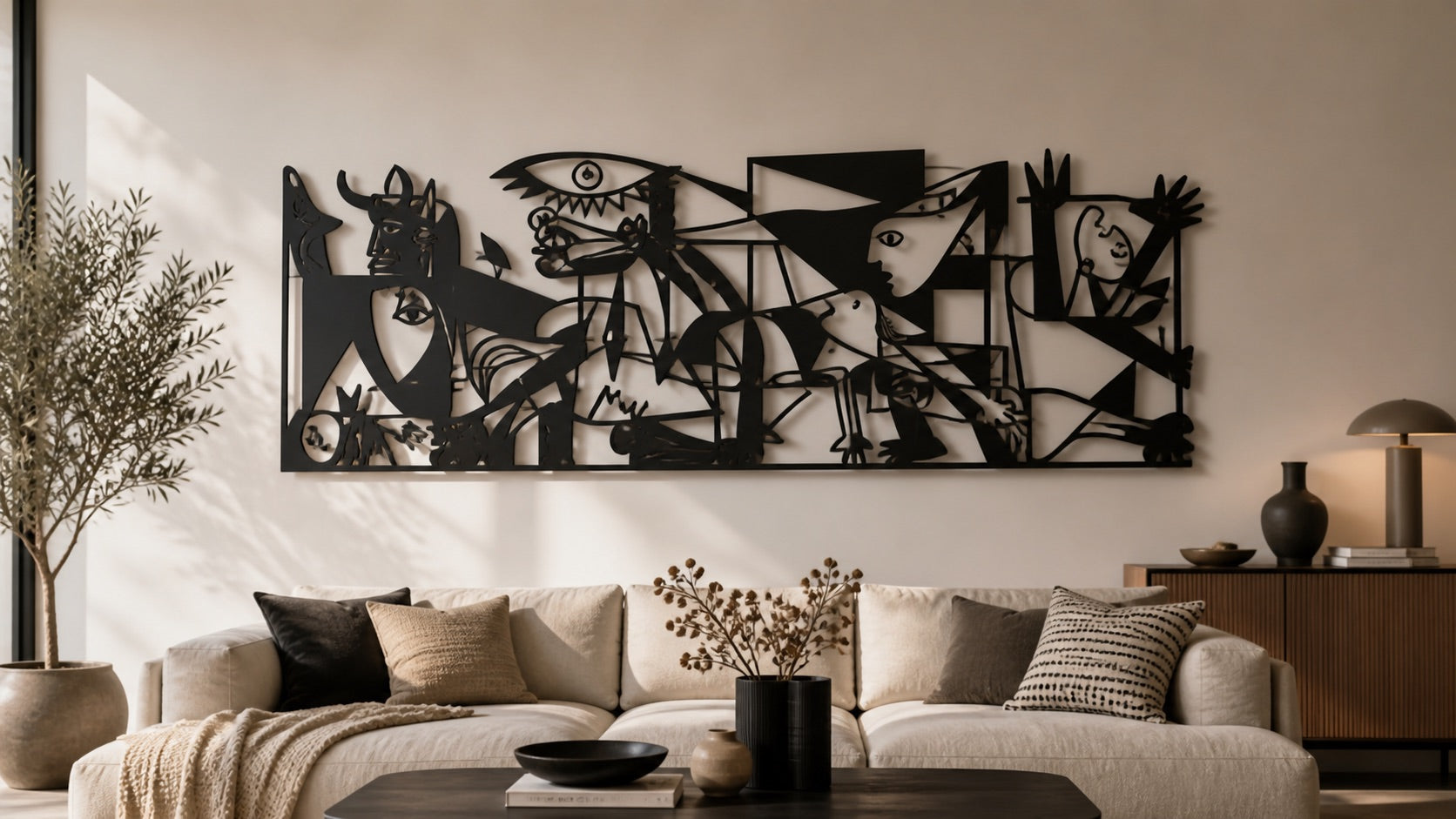
For iconic or art-history-inspired subjects, metal adds another layer. A familiar composition translated into metal becomes less like a reproduction and more like an object. That shift can make the room feel more gallery-like.
How to Choose Based on Room Style
For modern and minimalist rooms, choose metal wall art when the room needs structure, shadow, and a clean focal point. Choose canvas when the room needs warmth or a quiet color field. Keep the scale generous and the surrounding area edited.
For rustic or farmhouse rooms, canvas can feel natural because it works with soft textures and warm palettes. Metal can still work if it repeats hardware, lighting, or iron details. Avoid pieces that feel too sharp unless the room needs contrast.
For industrial rooms, metal wall art is usually a natural fit. It can connect with exposed brick, concrete, black lighting, and metal furniture. Canvas can soften the room if the space feels too hard.
For coastal rooms, canvas prints often work well because they can carry soft color and landscape imagery. Metal art can work when the design is nature-inspired, airy, or white finished.
For eclectic rooms, both formats can work. The key is not to add too many focal points. If the room already has patterned rugs, colorful textiles, and collected objects, a simpler metal piece may create balance. If the room is mostly neutral, a canvas can introduce personality.
Common Mistakes With Metal Wall Art
The first mistake is choosing a piece that is too small. Metal wall art often needs enough size to feel intentional. If it floats in the middle of a large wall, it loses impact. Measure the wall and nearby furniture before choosing.
The second mistake is ignoring finish repetition. A black metal piece looks better when black appears somewhere else in the room. That might be lighting, hardware, table legs, fireplace tools, picture frames, or shelving.
The third mistake is placing the piece on a wall that is already too busy. Metal art needs shadow and negative space. If it is crowded by shelves, frames, signs, and small objects, the shape becomes harder to read.
The fourth mistake is choosing a style that fights the room. A dramatic geometric piece may not suit a soft traditional bedroom. A delicate botanical piece may disappear in a bold industrial space. Match the energy of the piece to the wall.
The fifth mistake is treating metal wall art as cold by default. It only feels cold when the room lacks softness. Add textiles, warm lighting, wood, or plants nearby to balance the material.
Common Mistakes With Canvas Prints
The biggest mistake with canvas prints is choosing artwork only because the colors match. Color matters, but scale, subject, composition, and room mood matter too. A canvas should do more than repeat a pillow color.
Another mistake is using too many small canvases on one wall. Small pieces can work in a gallery wall, but they need spacing and rhythm. Random small canvases can make a room feel fragmented.
Canvas prints can also look generic when the image is overused or disconnected from the room. Choose imagery that supports the room's purpose. A bedroom may need calm. A dining room may need energy. A home office may need focus.
Placement is another common issue. Canvas should not be hung too high. Above furniture, the artwork should relate to the furniture below it. If there is too much empty wall between sofa and canvas, the two elements feel disconnected.
Finally, avoid using canvas in places where it will be damaged by moisture, heat, or constant contact. It may be better suited to calmer rooms than narrow high-traffic zones.
The Hybrid Method: Use Metal for Structure and Canvas for Softness
Many homes do not need to choose only one format. Metal wall art and canvas prints can work together when they have different roles. Use metal where the room needs structure, dimension, or a focal object. Use canvas where the room needs color, softness, or personal imagery.
For example, a living room might use one metal statement piece above the sofa and smaller canvas prints in a reading corner. A hallway might use metal art near the entry and canvas photography farther down the wall. A bedroom might use a canvas above the bed and a small metal piece near a vanity or desk.
The important thing is hierarchy. One wall should lead. Other pieces should support. If every wall has a strong statement piece, the room becomes noisy. If every piece is soft and similar, the room can feel flat.
This is the same general principle behind good visible storage and decor: not everything needs to compete. Some pieces organize. Some pieces soften. Some pieces anchor the eye. When each object has a job, the home feels calmer.
FAQ
Is metal wall art better than canvas?
Metal wall art is better when the room needs depth, structure, durability, and a modern focal point. Canvas is better when the room needs color, softness, photography, or a traditional printed art surface.
Does metal wall art look too cold?
Metal wall art can look cold if the room has no warmth, but it can feel balanced when paired with wood, textiles, plants, warm lighting, or soft furniture. The surrounding materials matter as much as the art itself.
Are canvas prints outdated?
Canvas prints are not outdated, but small generic prints can feel less intentional. Large-scale canvas, strong photography, soft abstract art, and well-framed canvas pieces can still look current in the right room.
Which wall decor is easier to clean?
Metal wall art is usually easier to clean because it has a rigid surface that can be dusted or lightly wiped. Canvas needs gentler care because the fabric and printed surface can be more delicate.
Which is better for a small apartment?
Metal wall art is often better when a small apartment needs depth without visual clutter. Canvas is better when the apartment needs warmth, color, or personal imagery. The best choice depends on the wall size and room mood.
Can metal wall art and canvas prints be used together?
Yes. Use metal wall art as a structured focal point and canvas prints for softer color or personal images. Keep one format dominant in each room so the walls do not feel crowded.
Final Takeaway
Metal wall art and canvas prints are both useful, but they create different kinds of rooms. Metal wall art brings shape, shadow, durability, and a sculptural feeling. Canvas brings color, softness, imagery, and a familiar art surface. The best choice depends on what the wall is missing.
Choose metal wall art when the space feels flat, modern, unfinished, or in need of a strong focal point. Choose canvas when the space needs warmth, color, personal imagery, or a softer mood. In small homes, metal can add dimension without taking floor space. In bedrooms and family rooms, canvas can create comfort. In living rooms, dining rooms, offices, and entryways, either can work if the scale and placement are right.
The strongest interiors use wall decor with intention. A piece should not only fill a blank spot. It should support the room's materials, mood, and function. When the wall decor format matches the room's real need, the result feels finished rather than decorated at the last minute.

Leave a comment
This site is protected by hCaptcha and the hCaptcha Privacy Policy and Terms of Service apply.