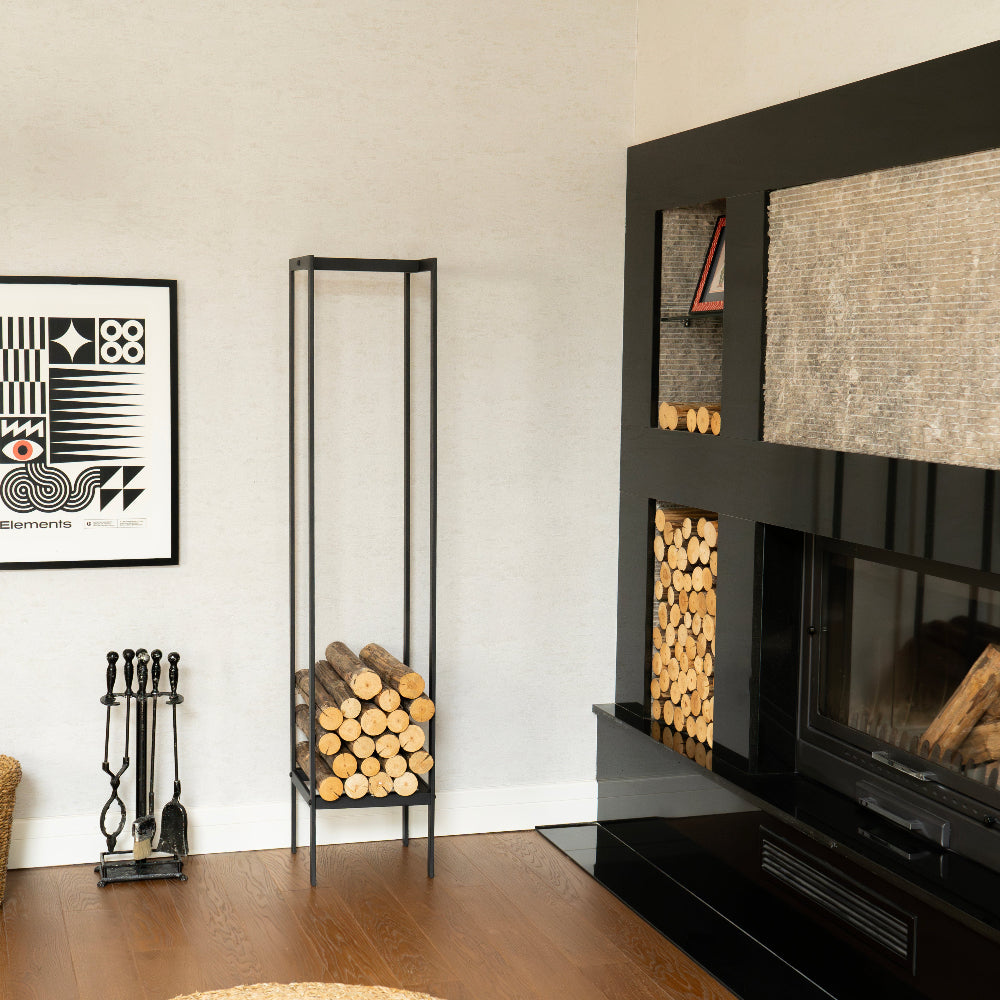
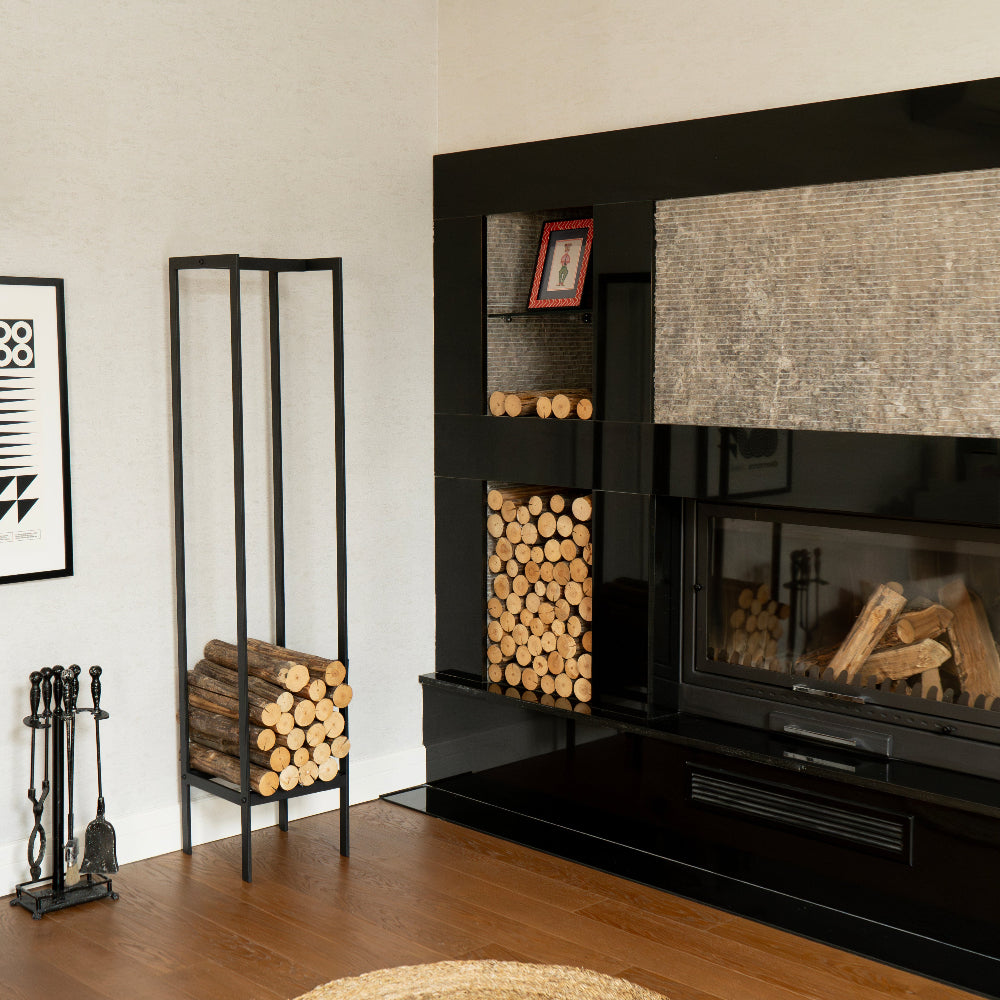
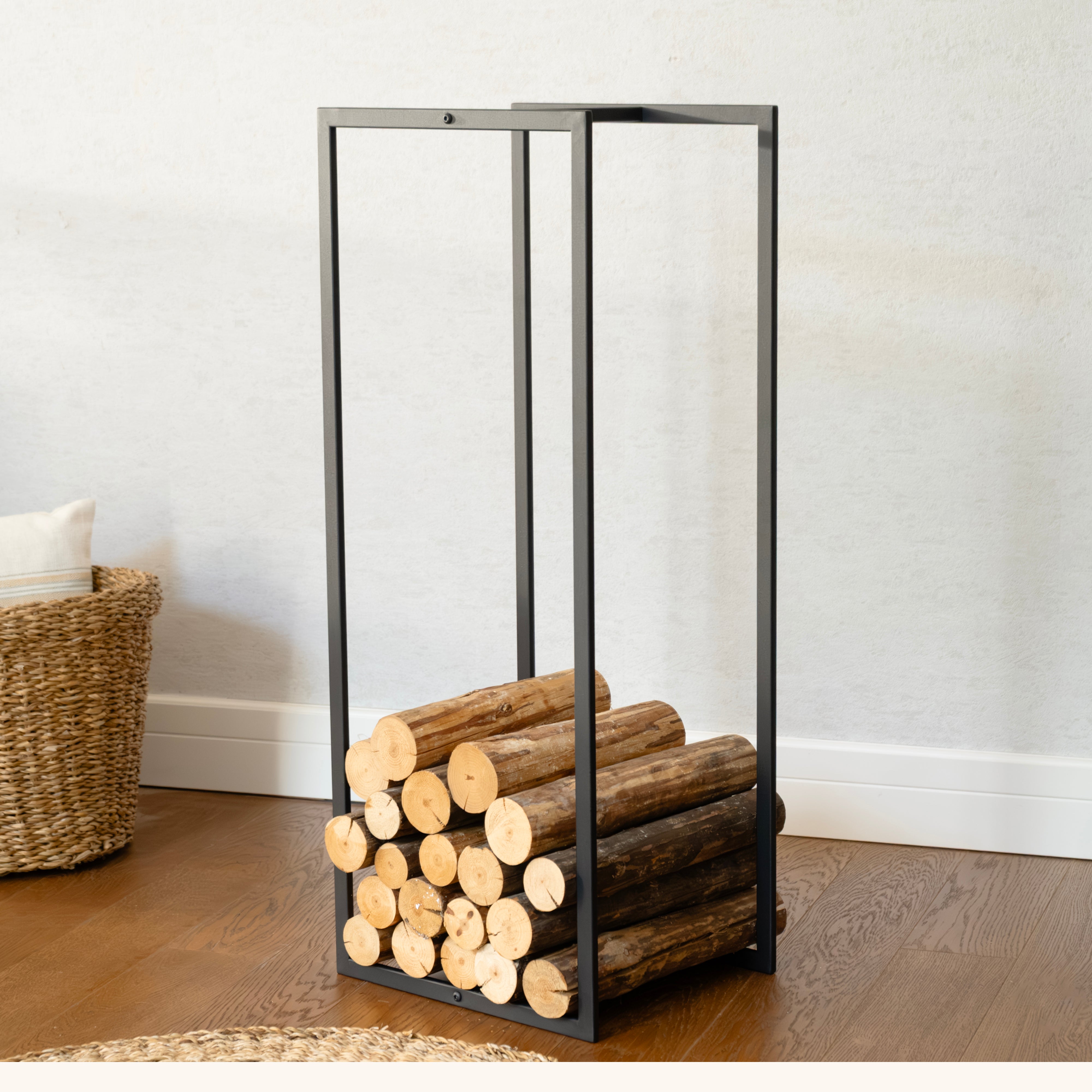
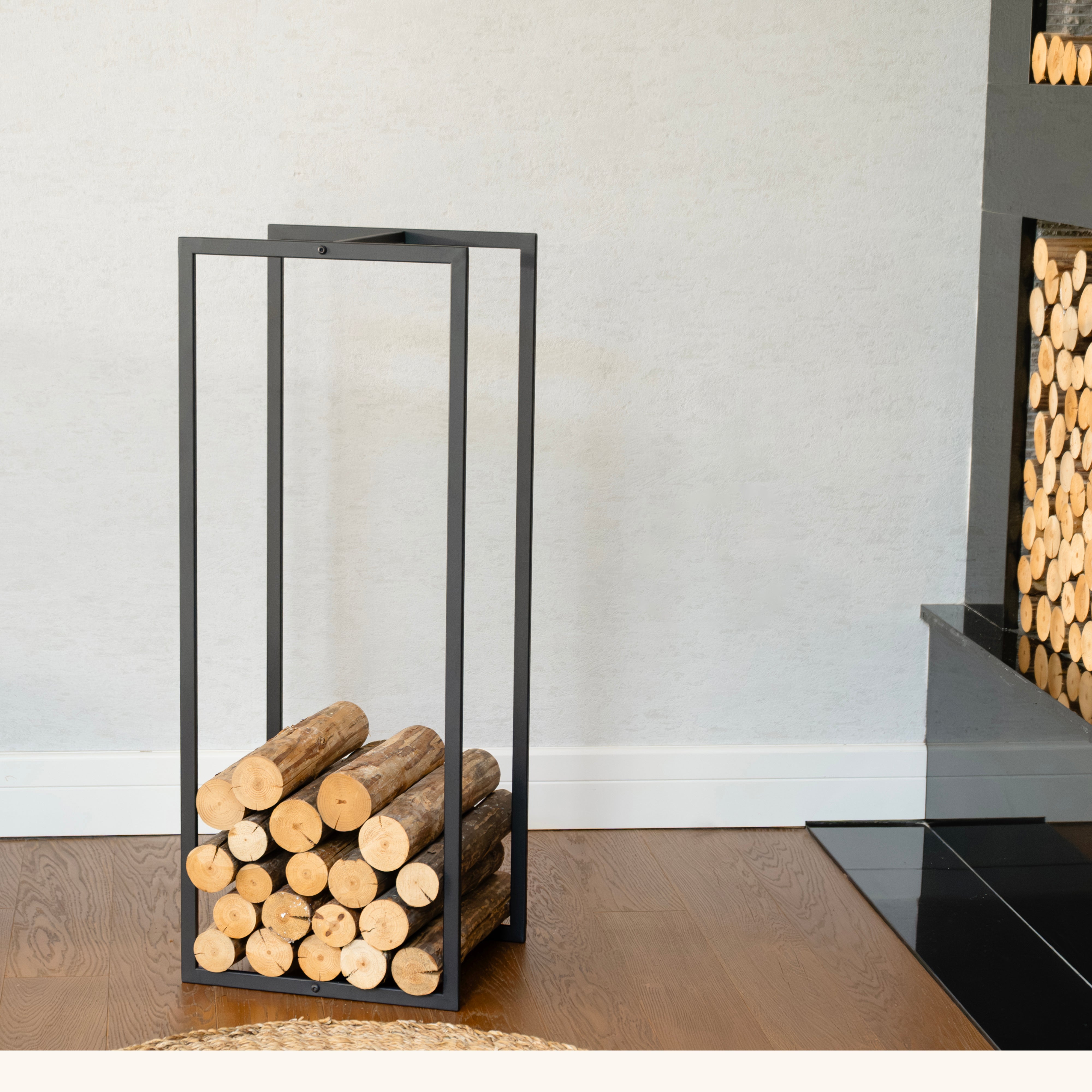
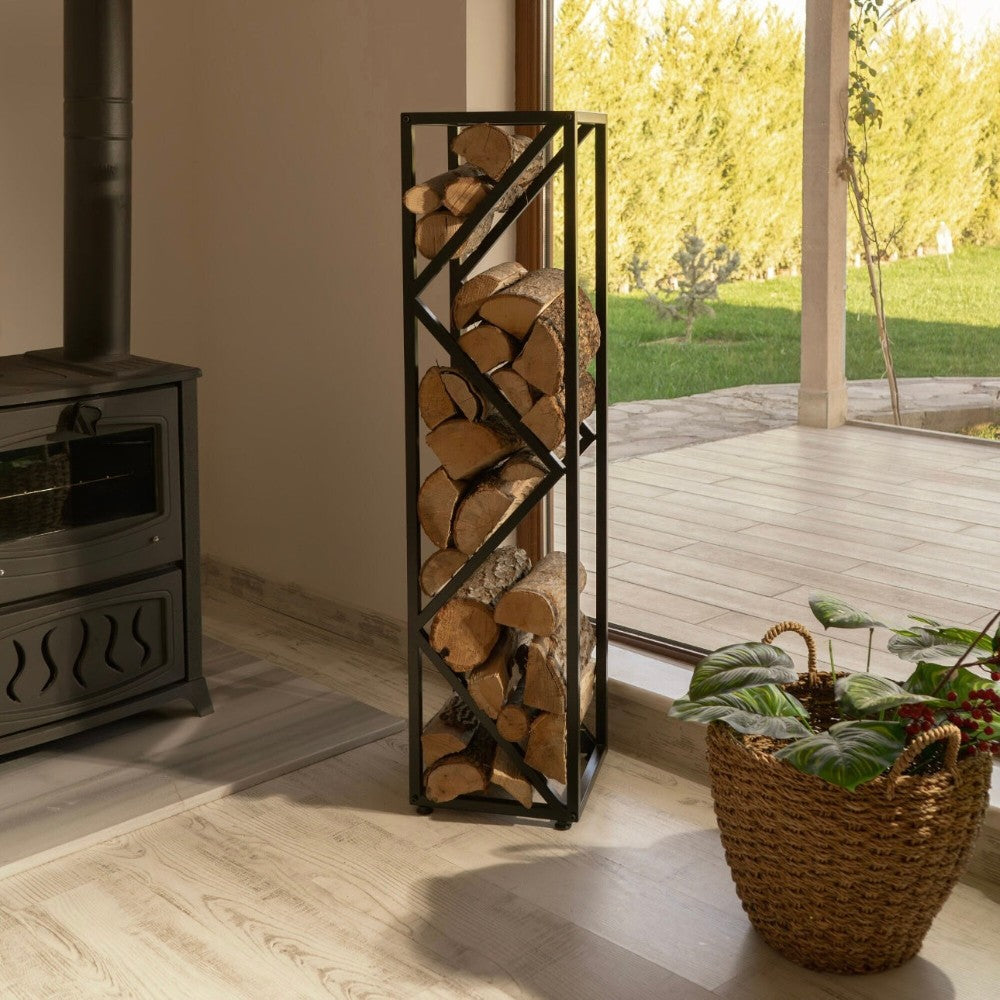
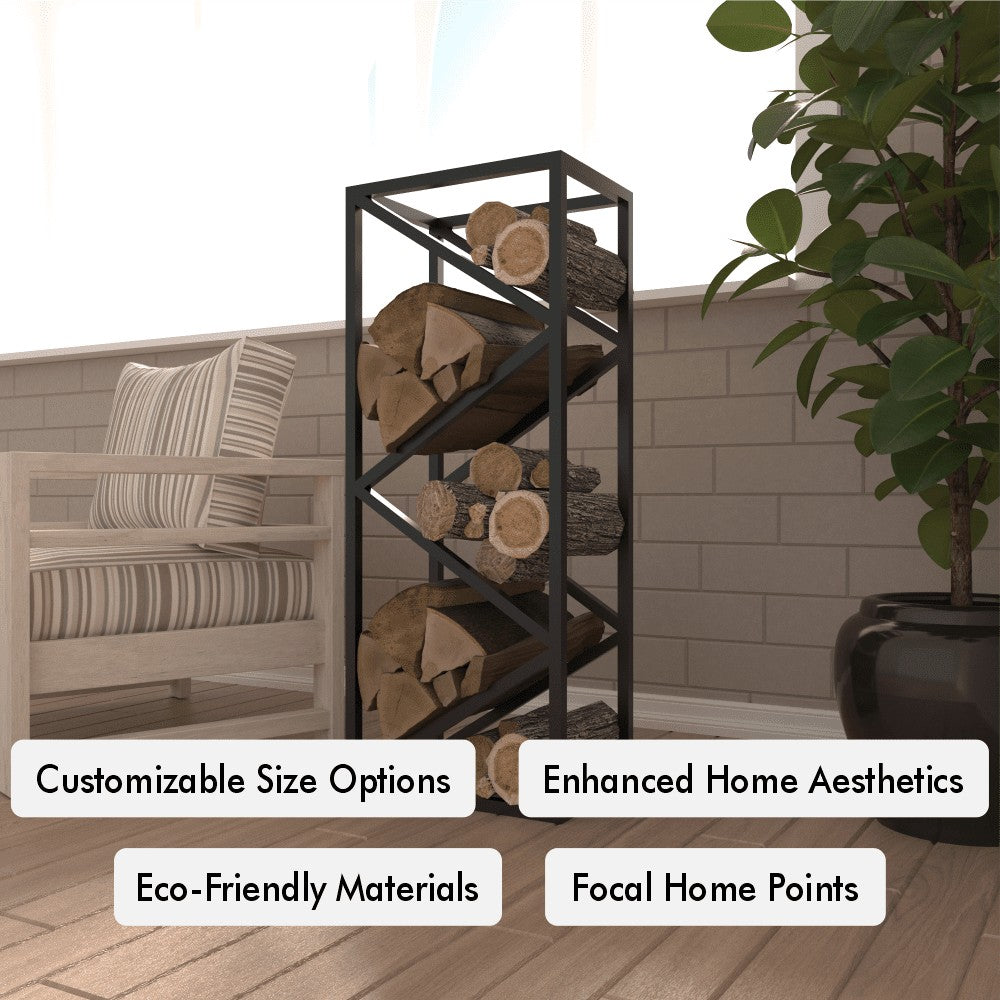
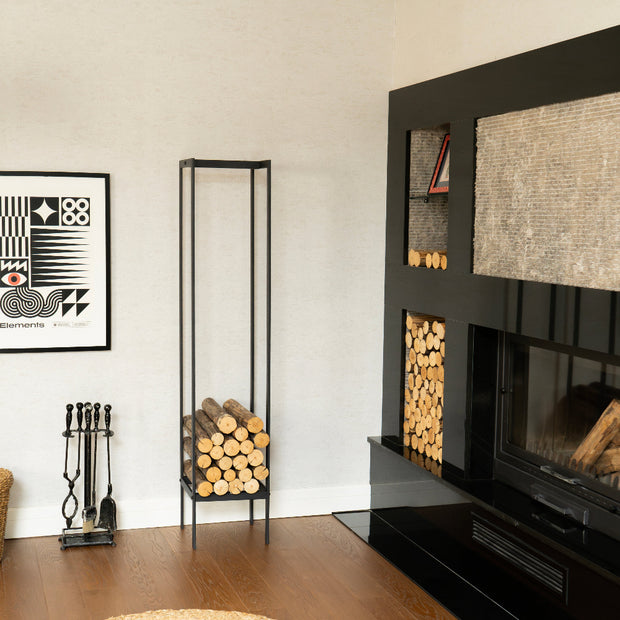
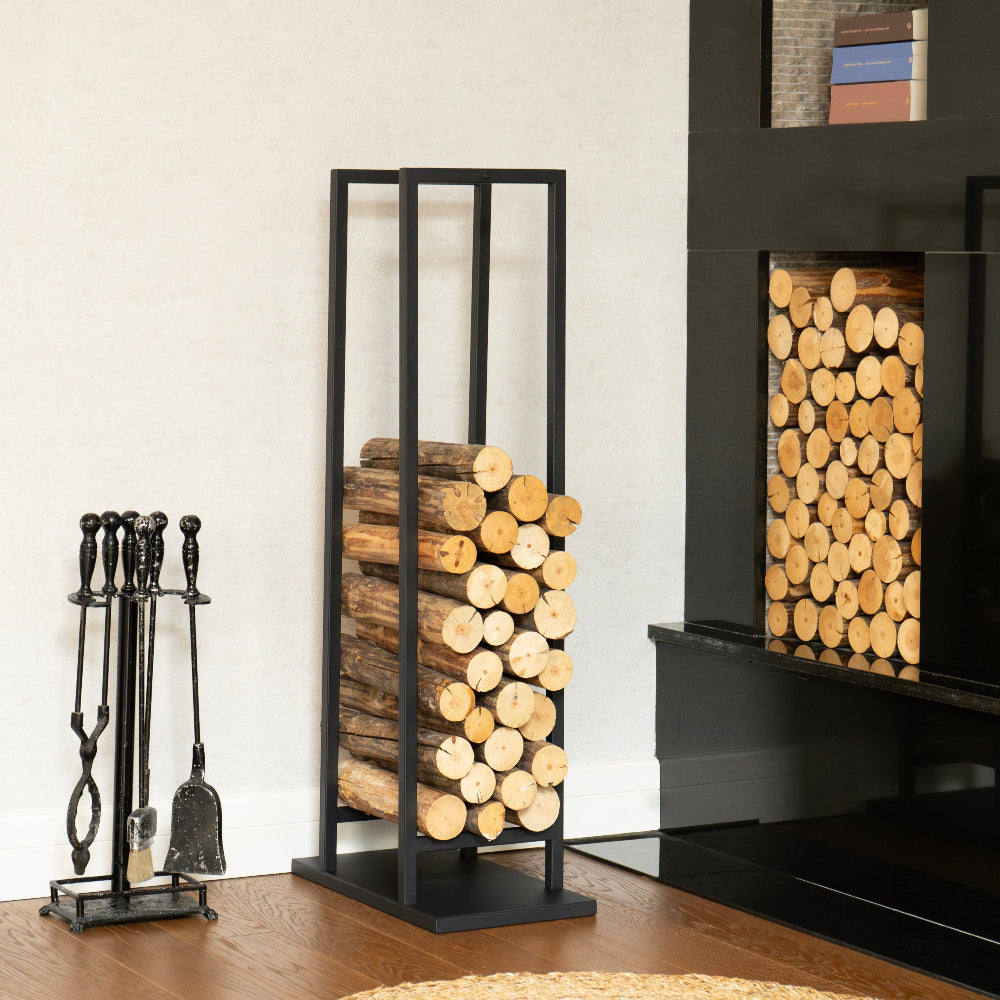
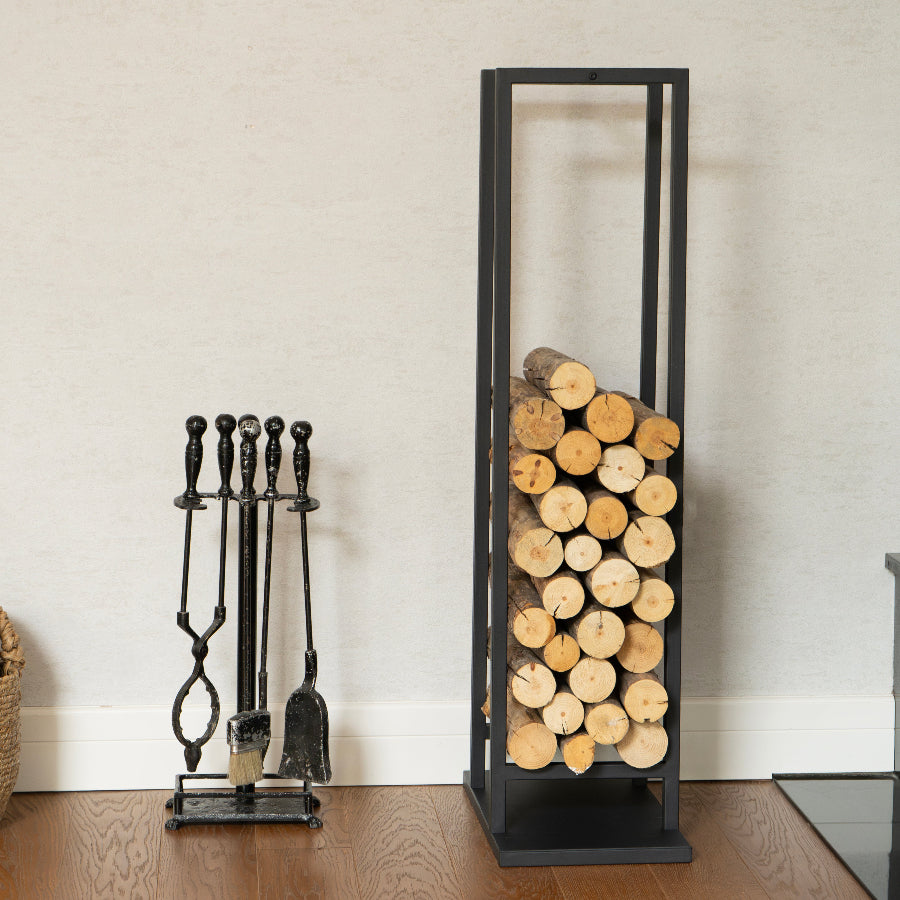
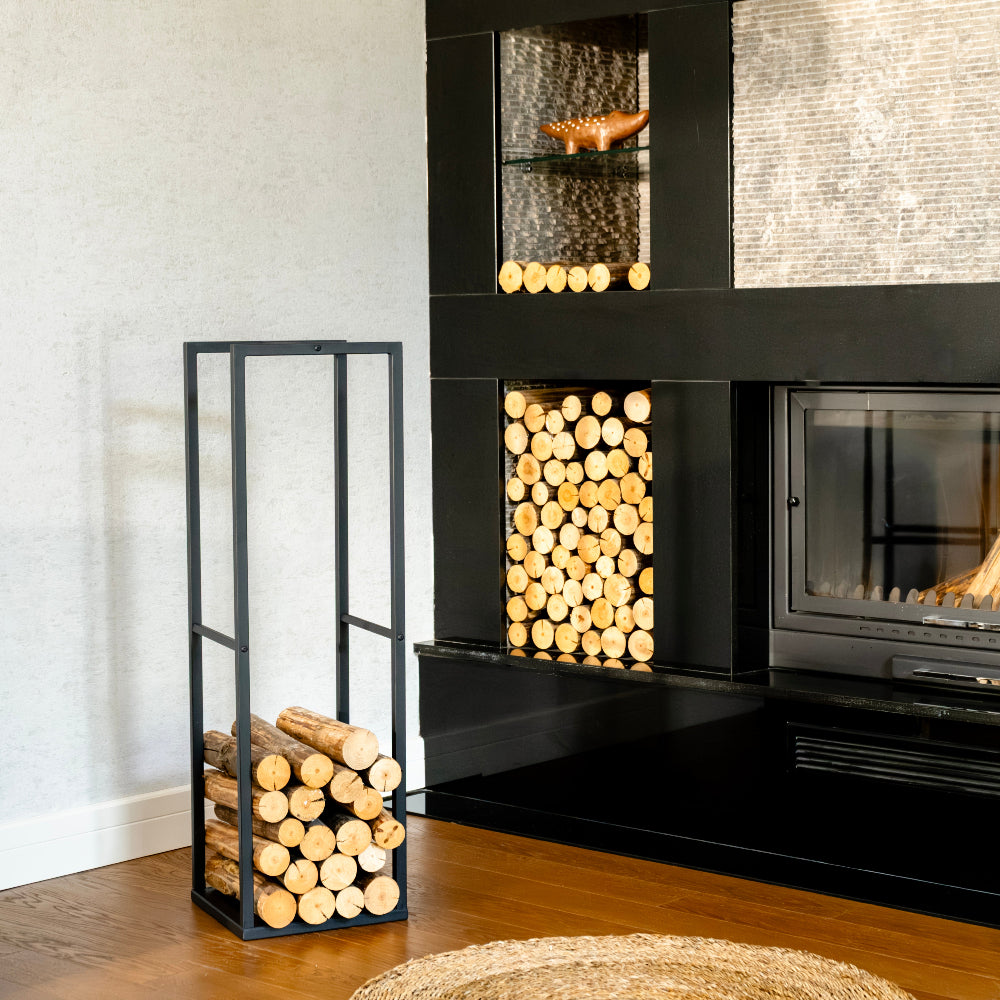
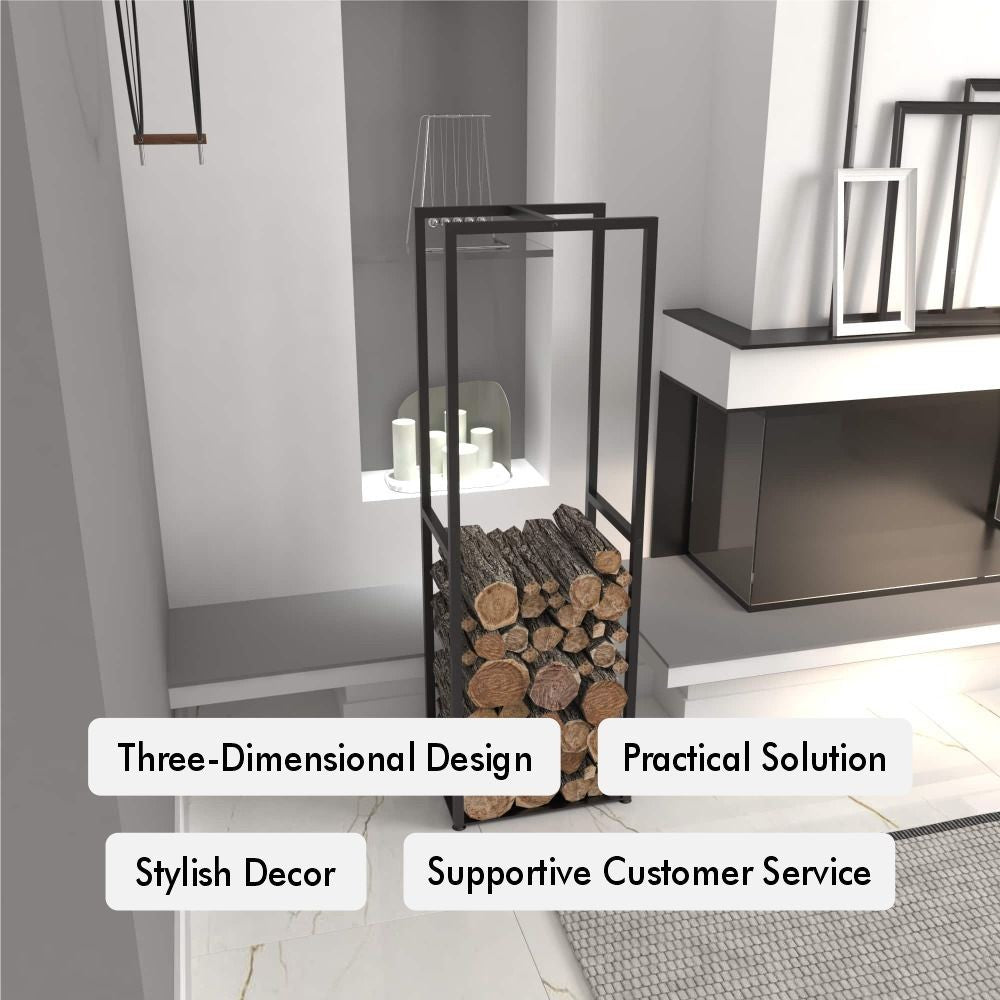
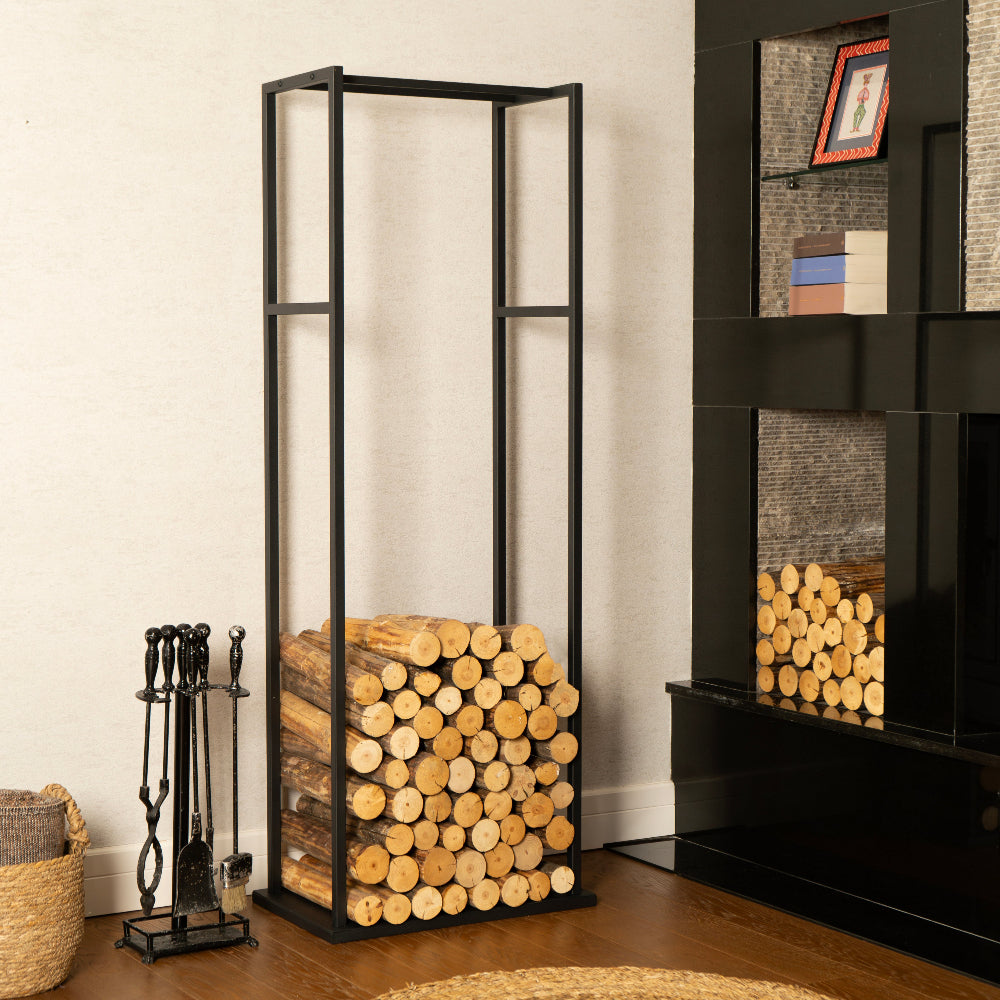
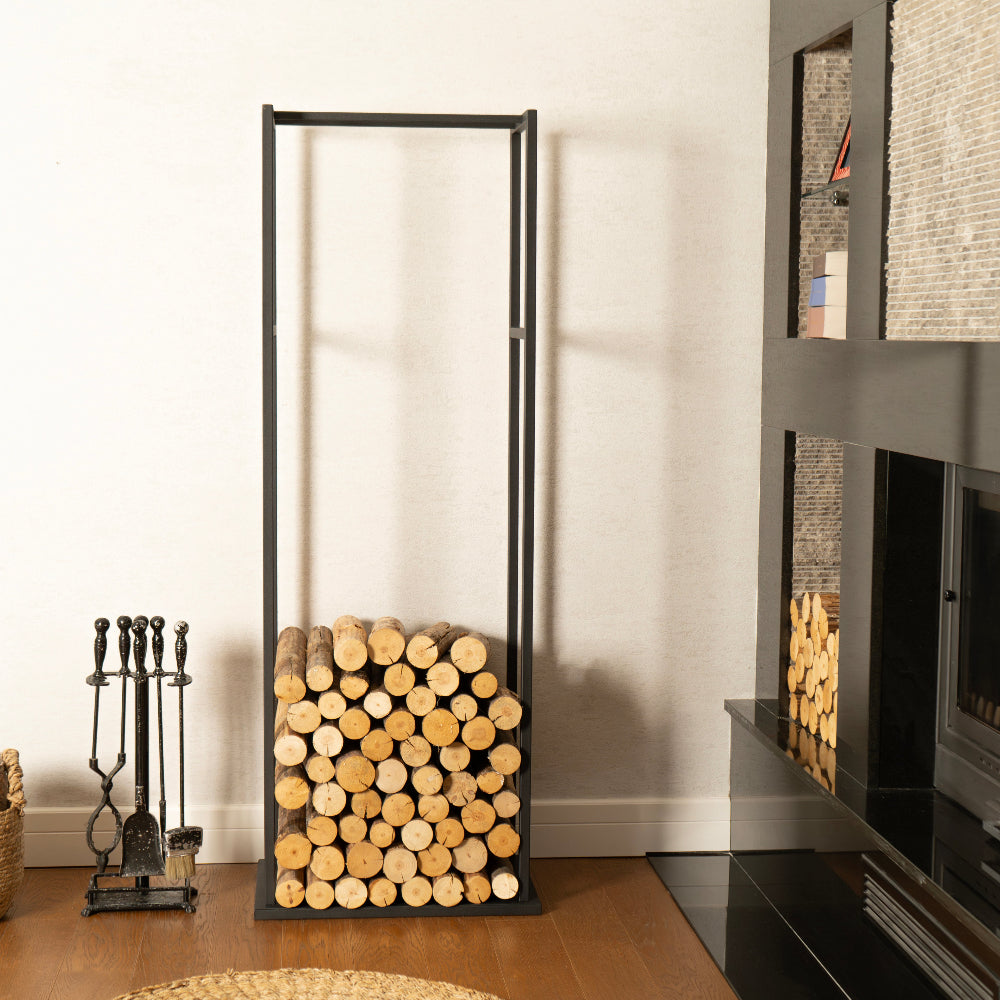
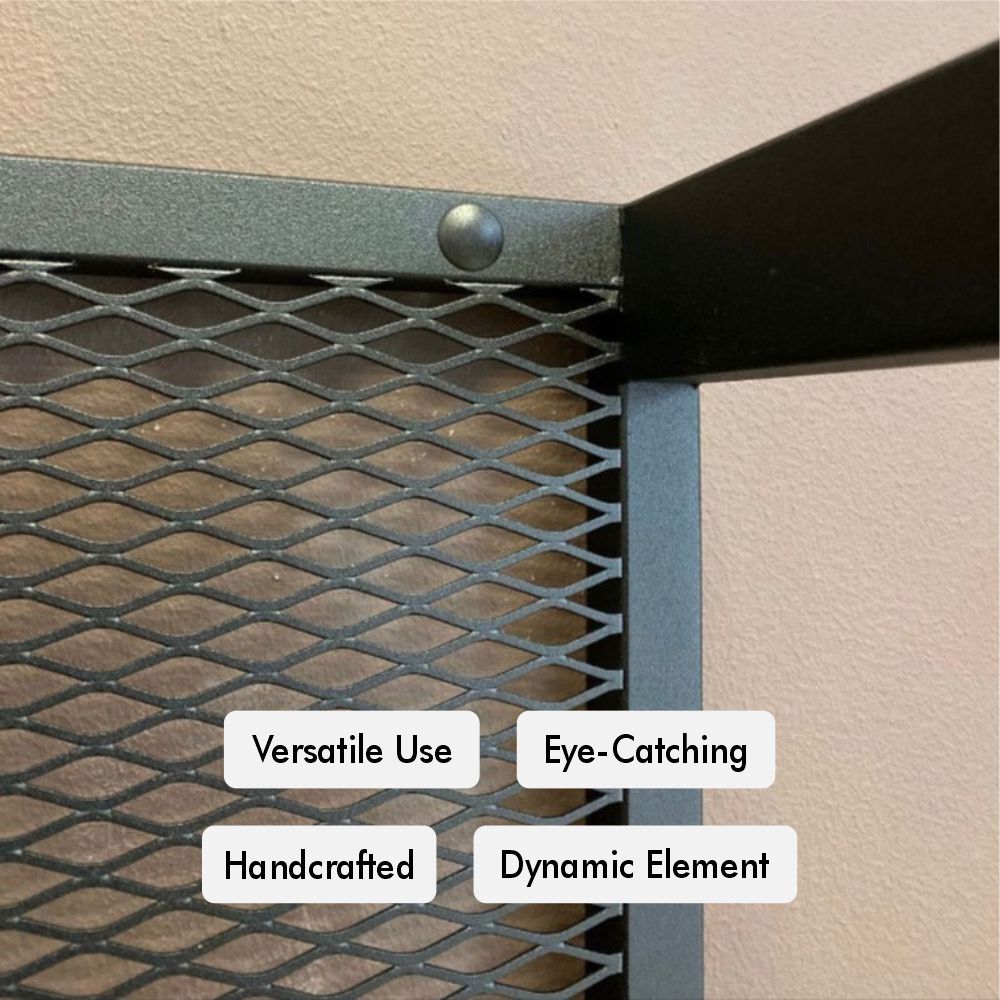
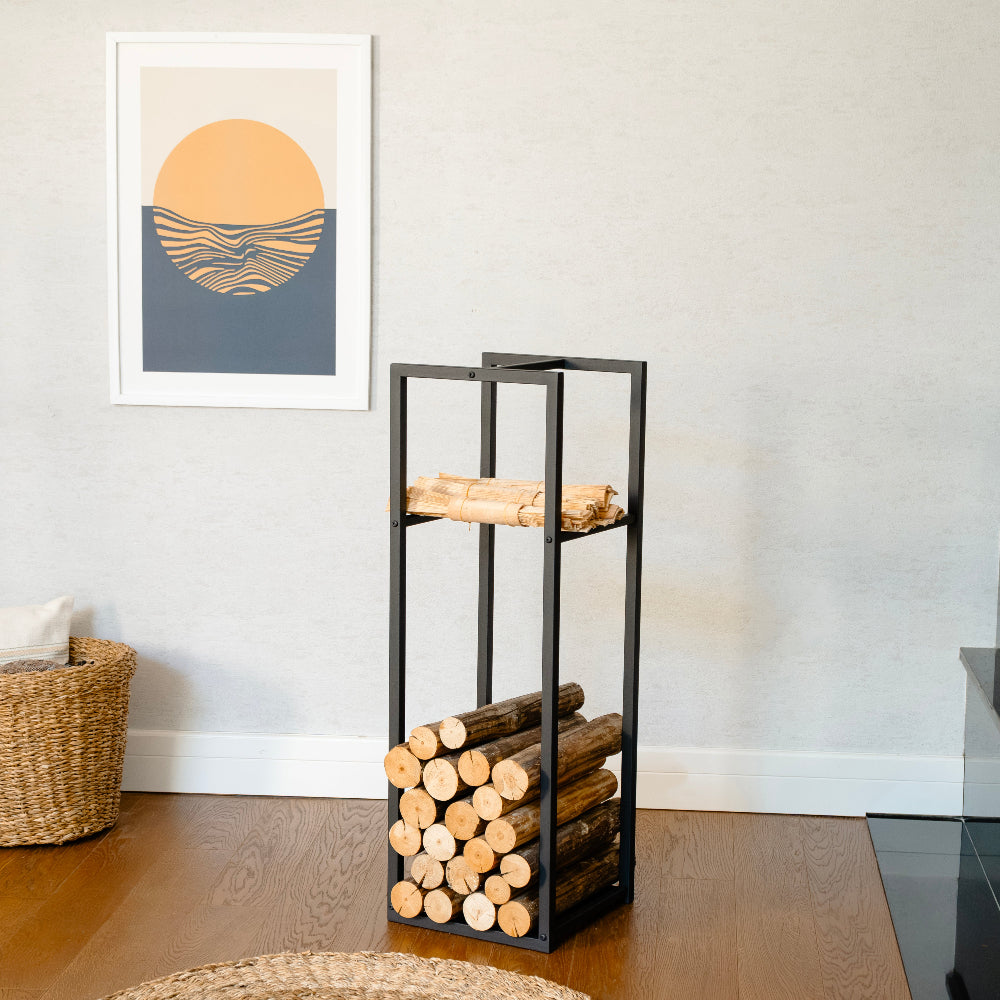
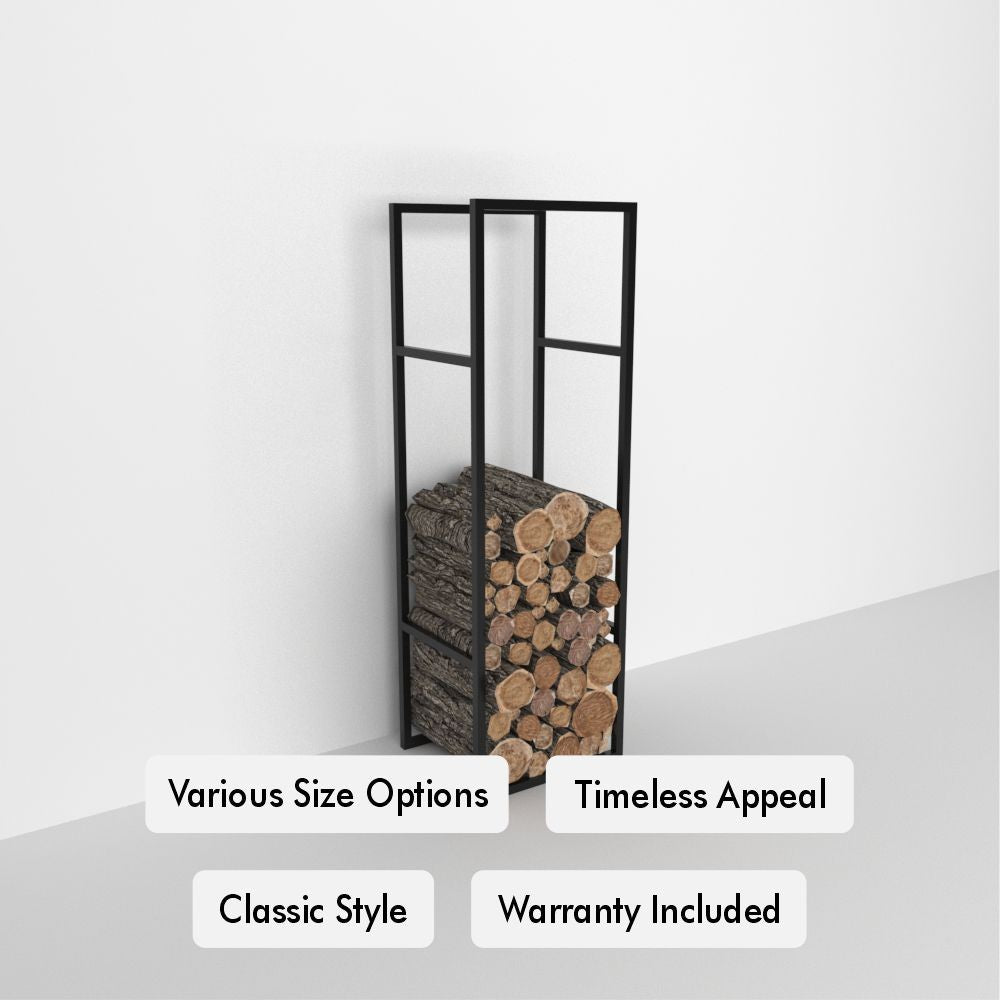
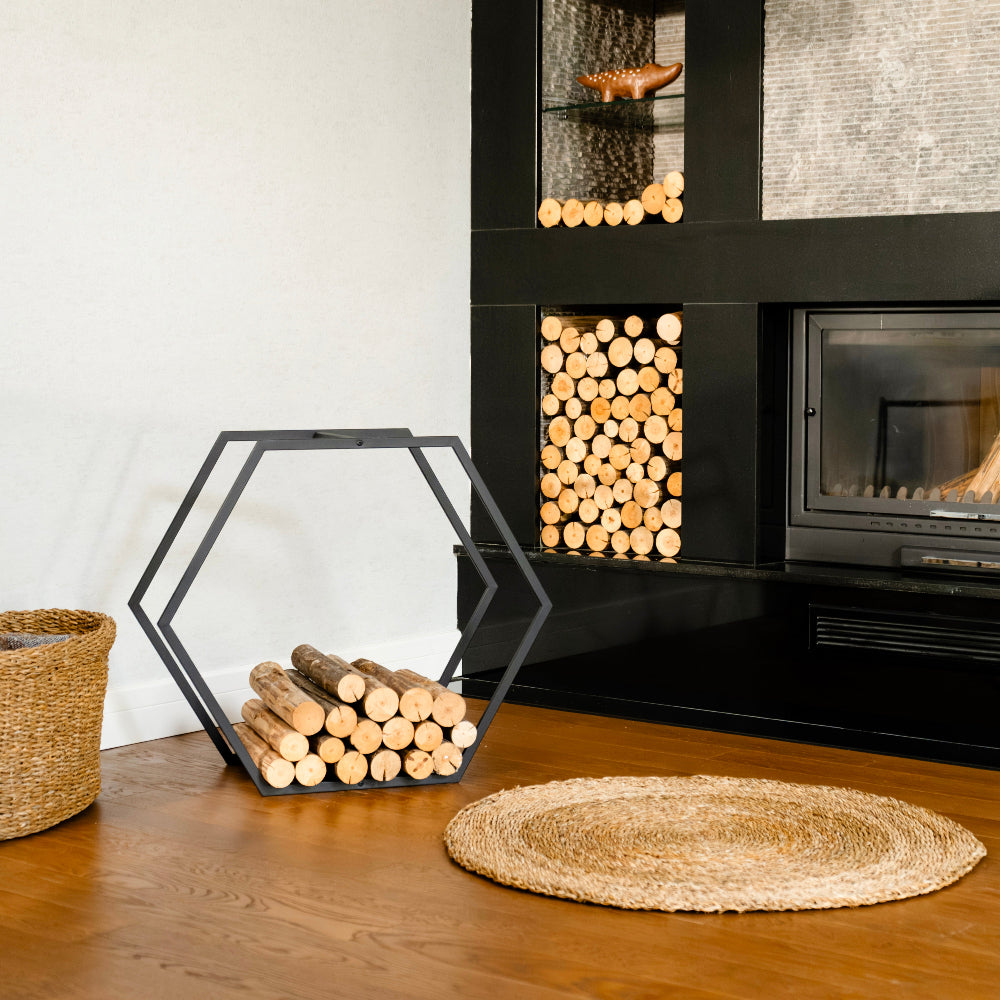
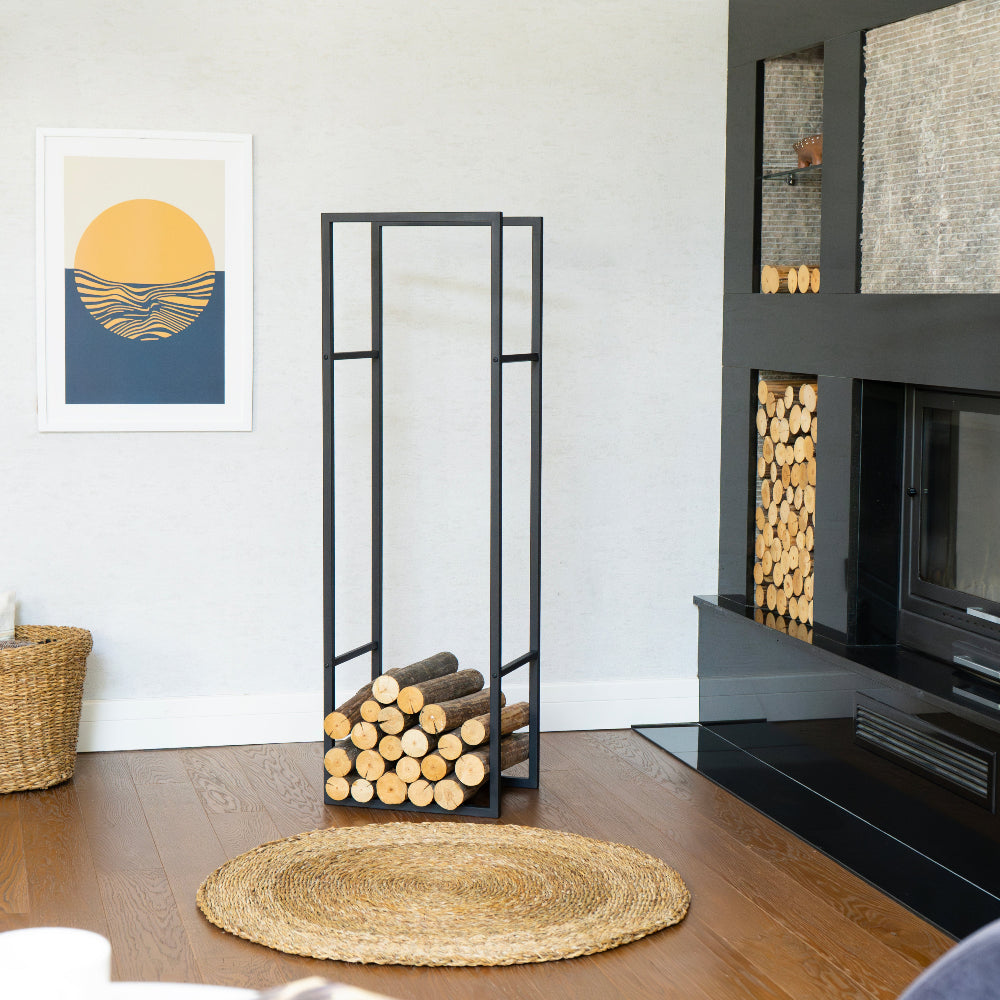
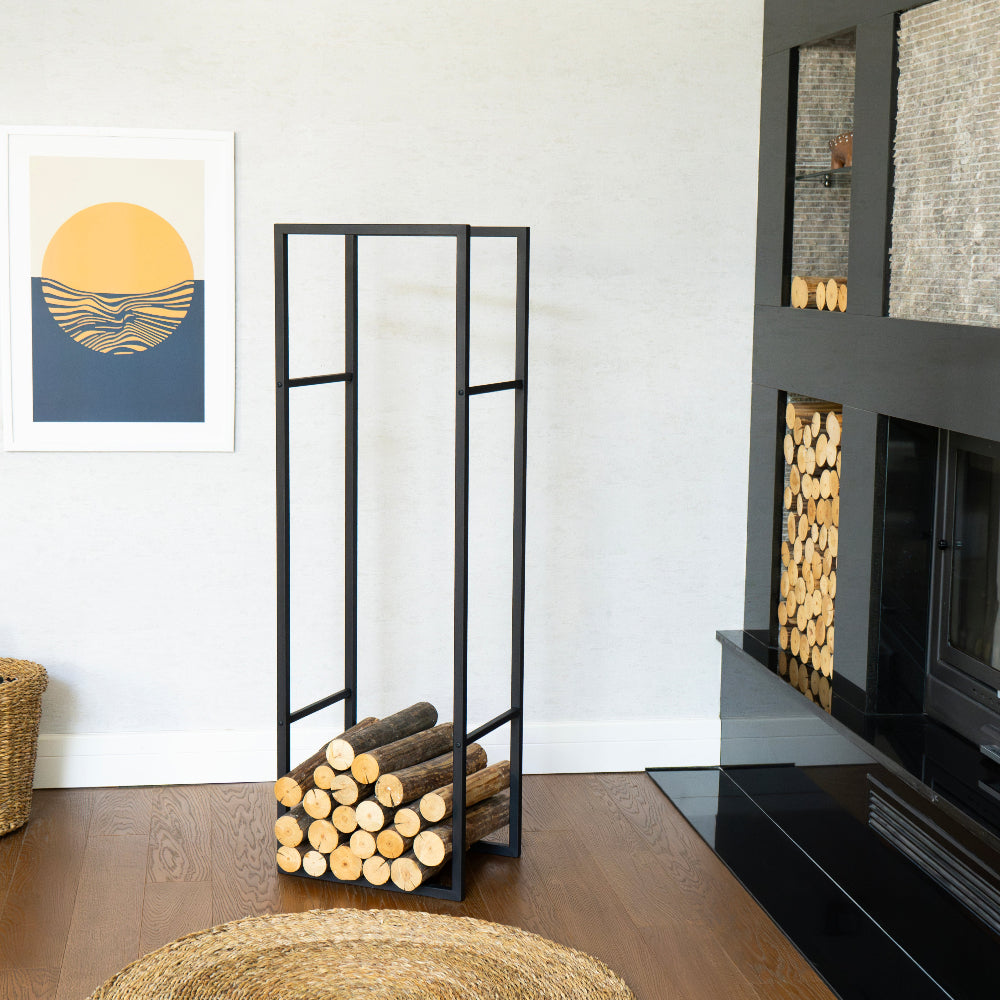
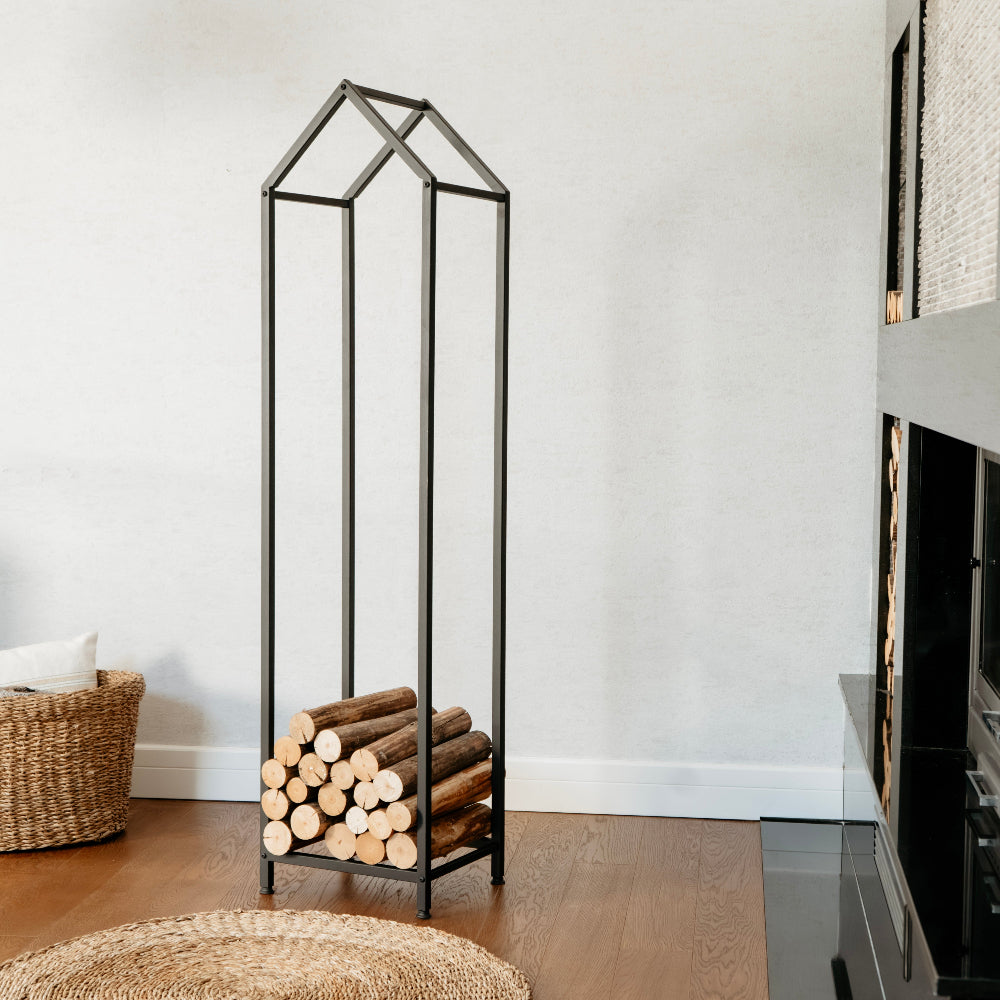
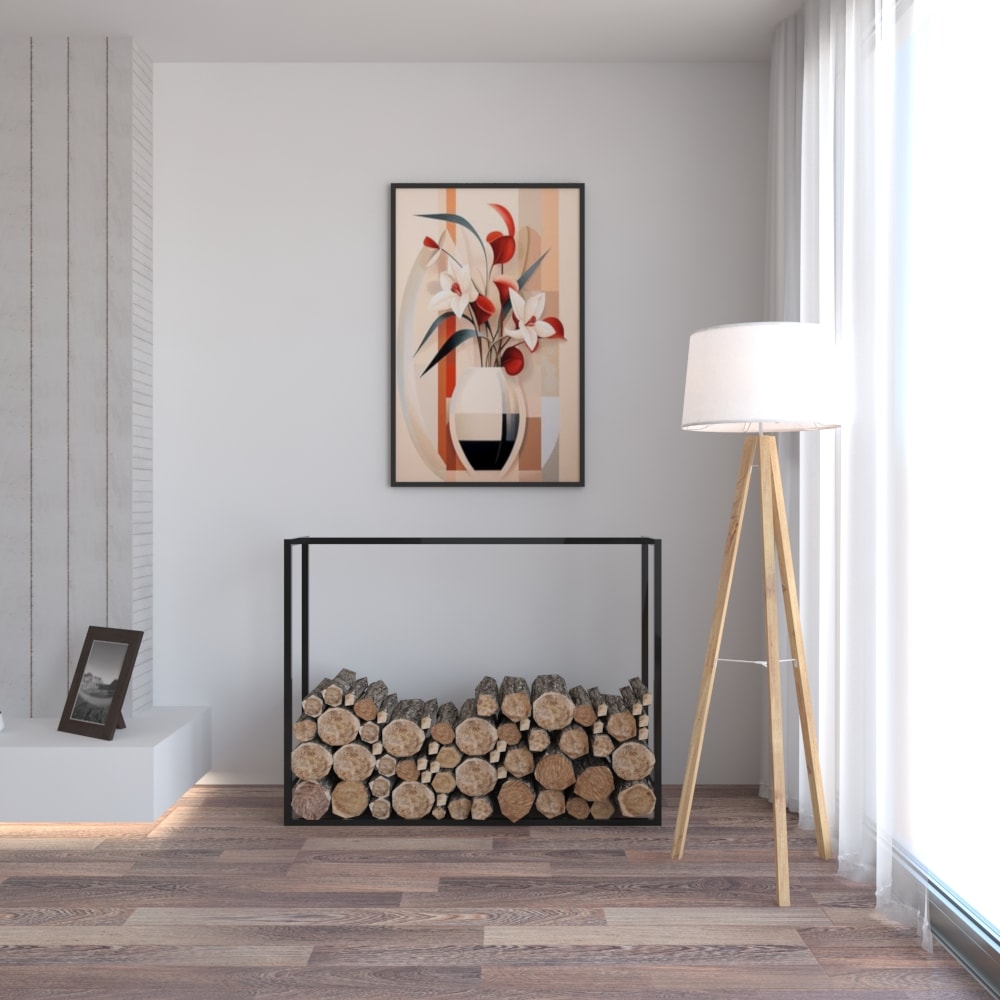
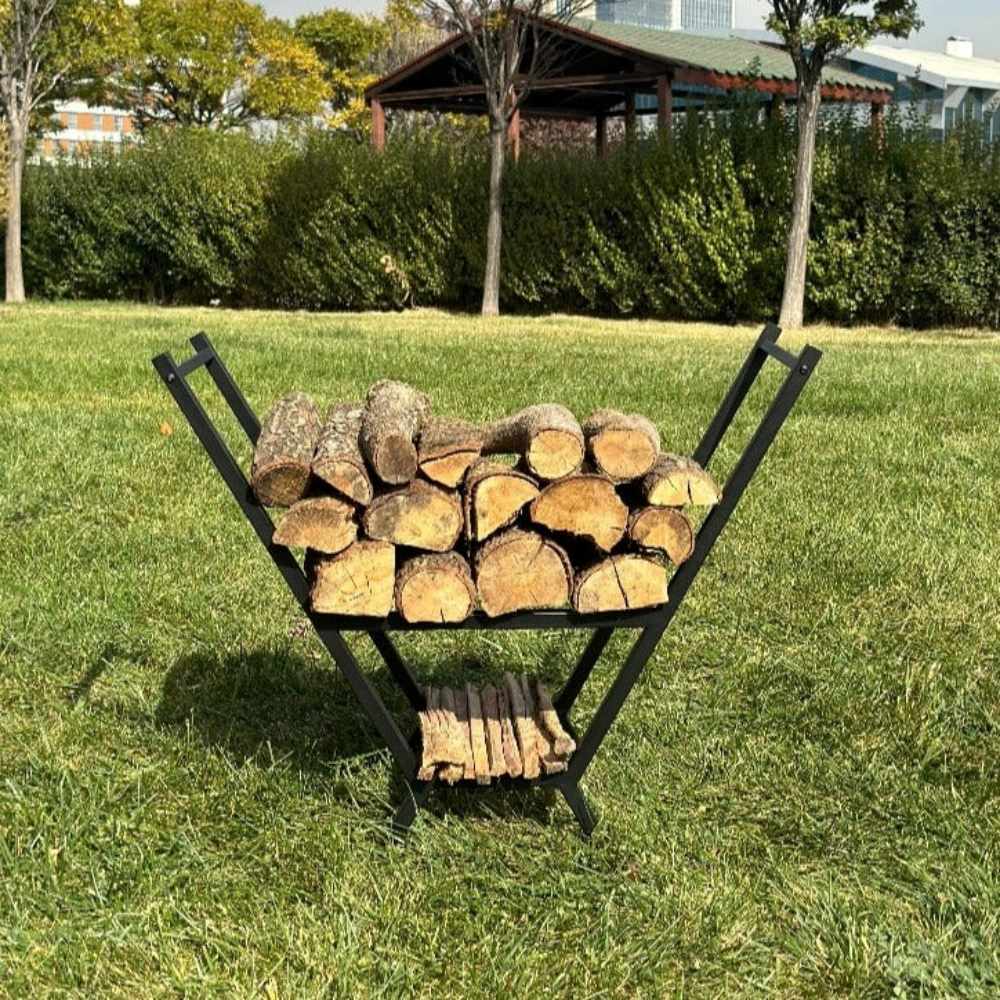
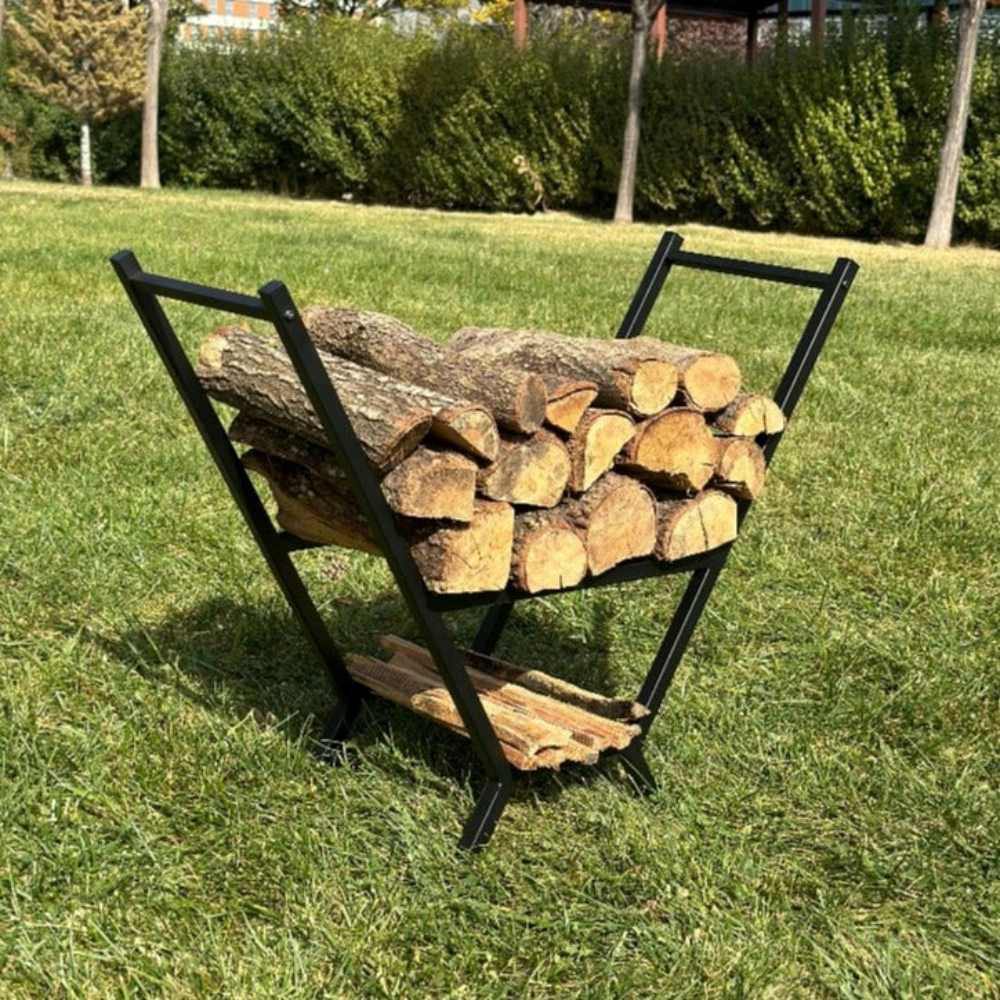
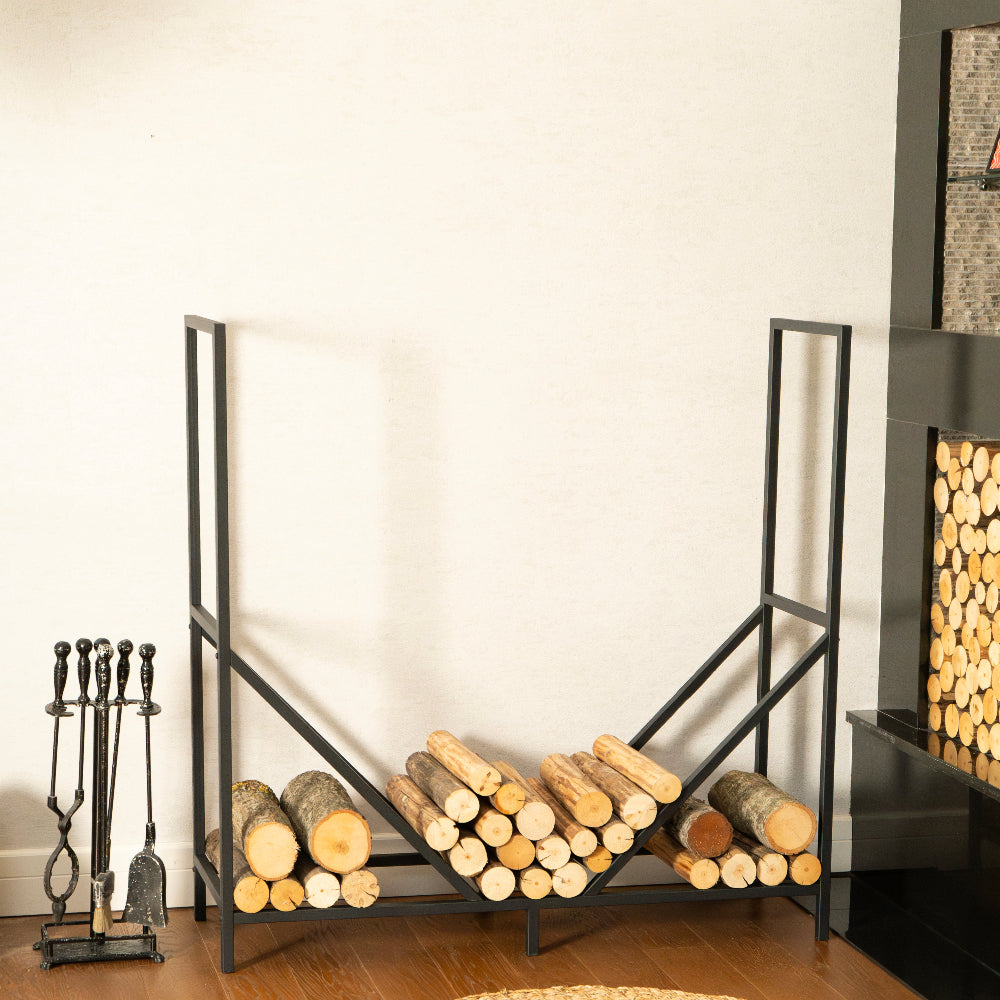
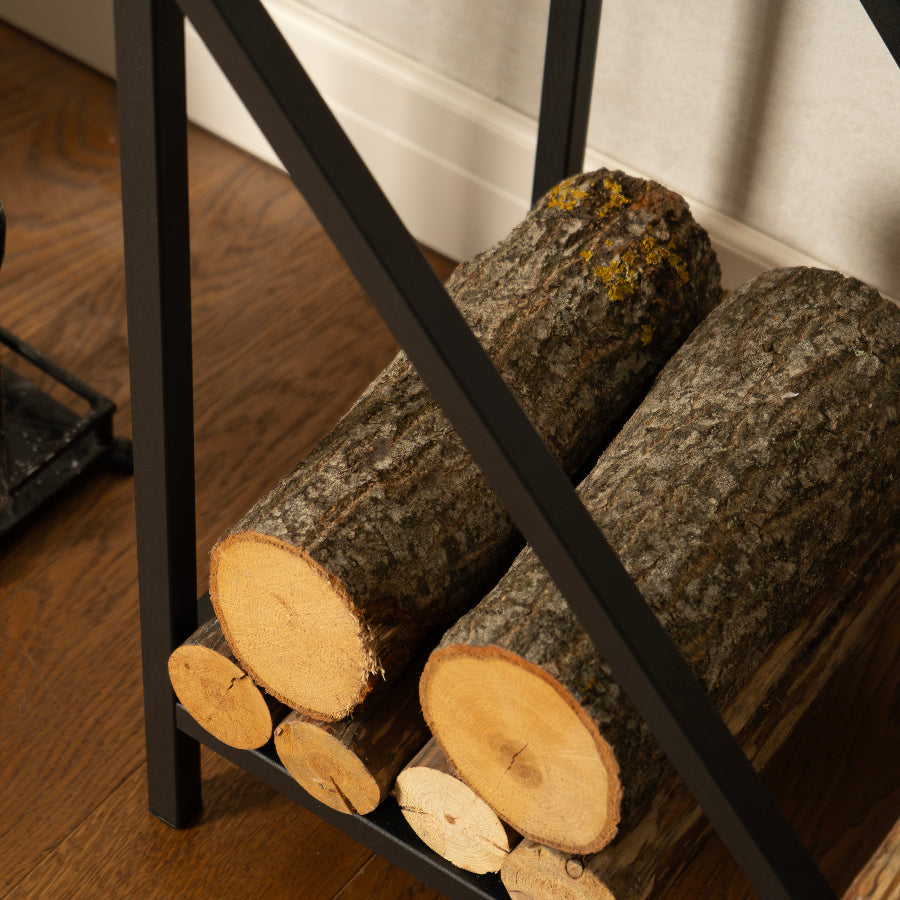
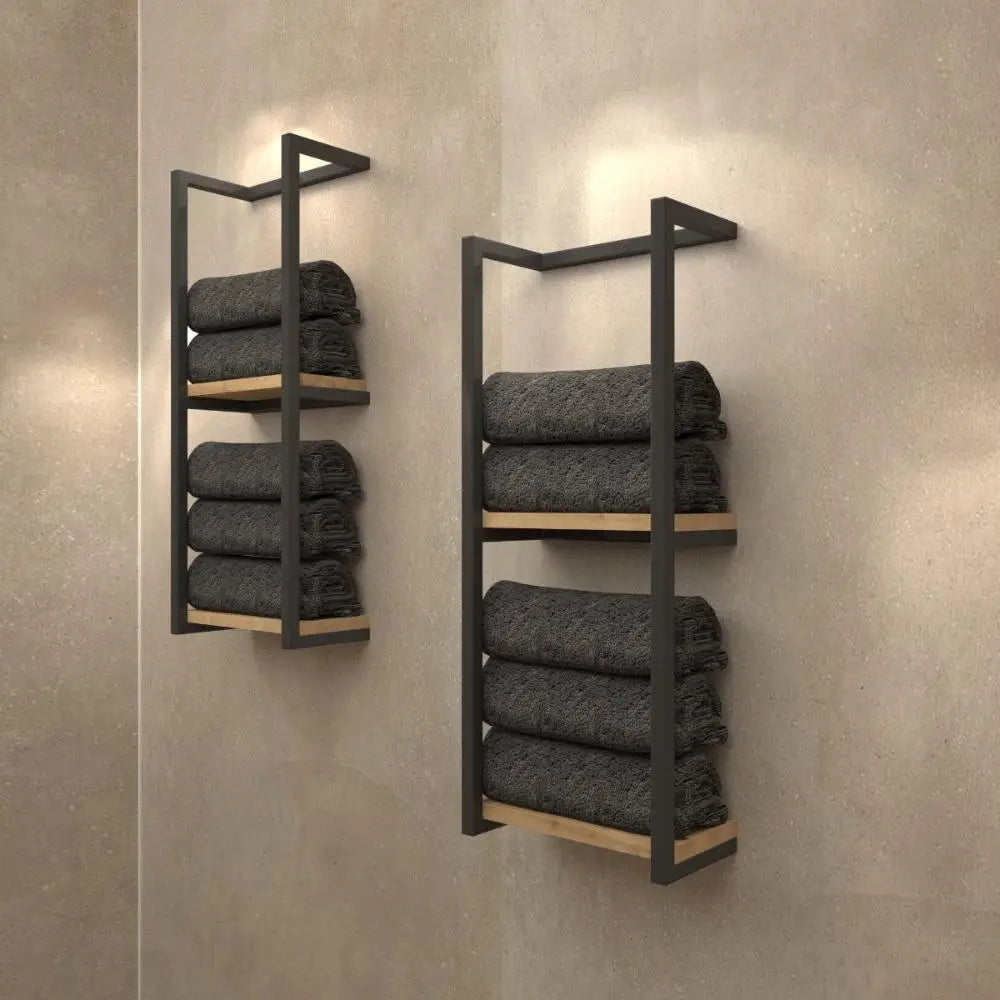
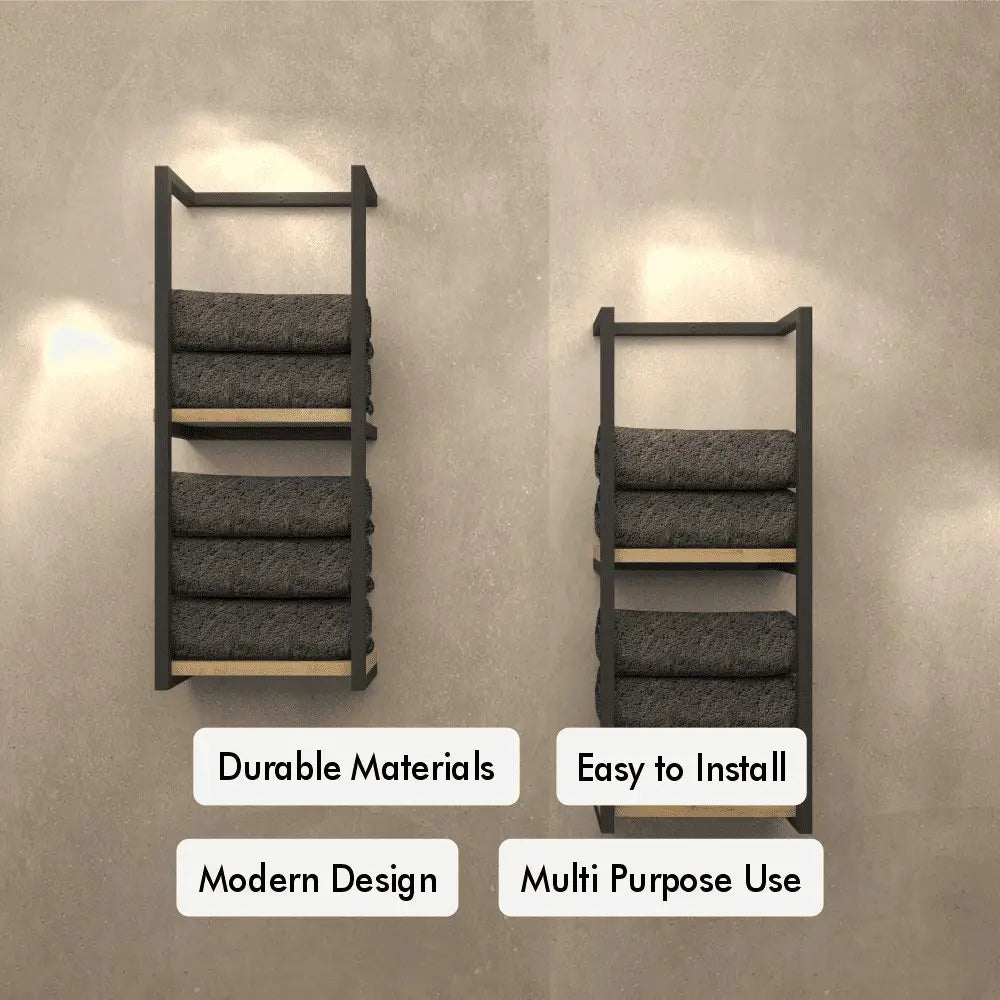
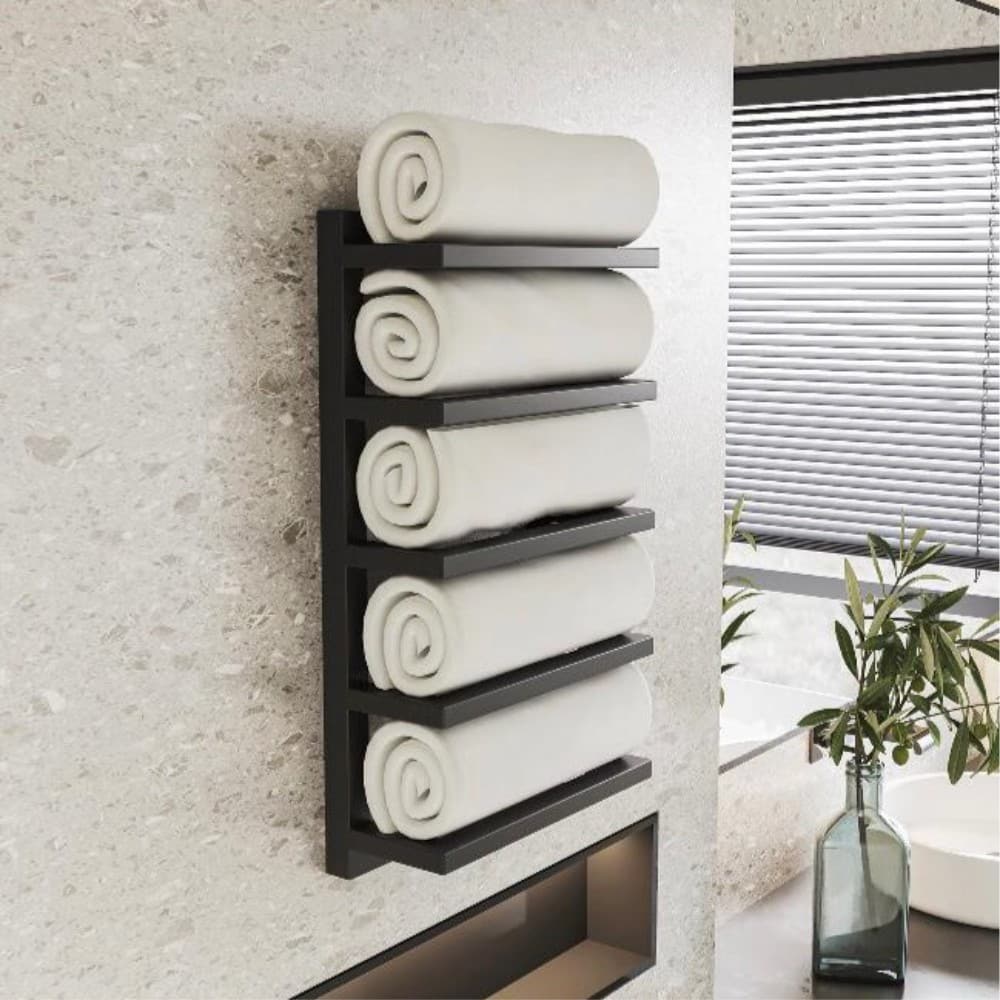
Indoor firewood racks make the area around a fireplace or wood stove feel intentional: logs stay together, the floor is easier to sweep, and the daily fuel supply becomes part of the room instead of a loose stack. Grandmix metal log holders are designed for living rooms, cabins, stove rooms, garages, and covered outdoor hearth areas where practical storage and a considered silhouette matter equally.
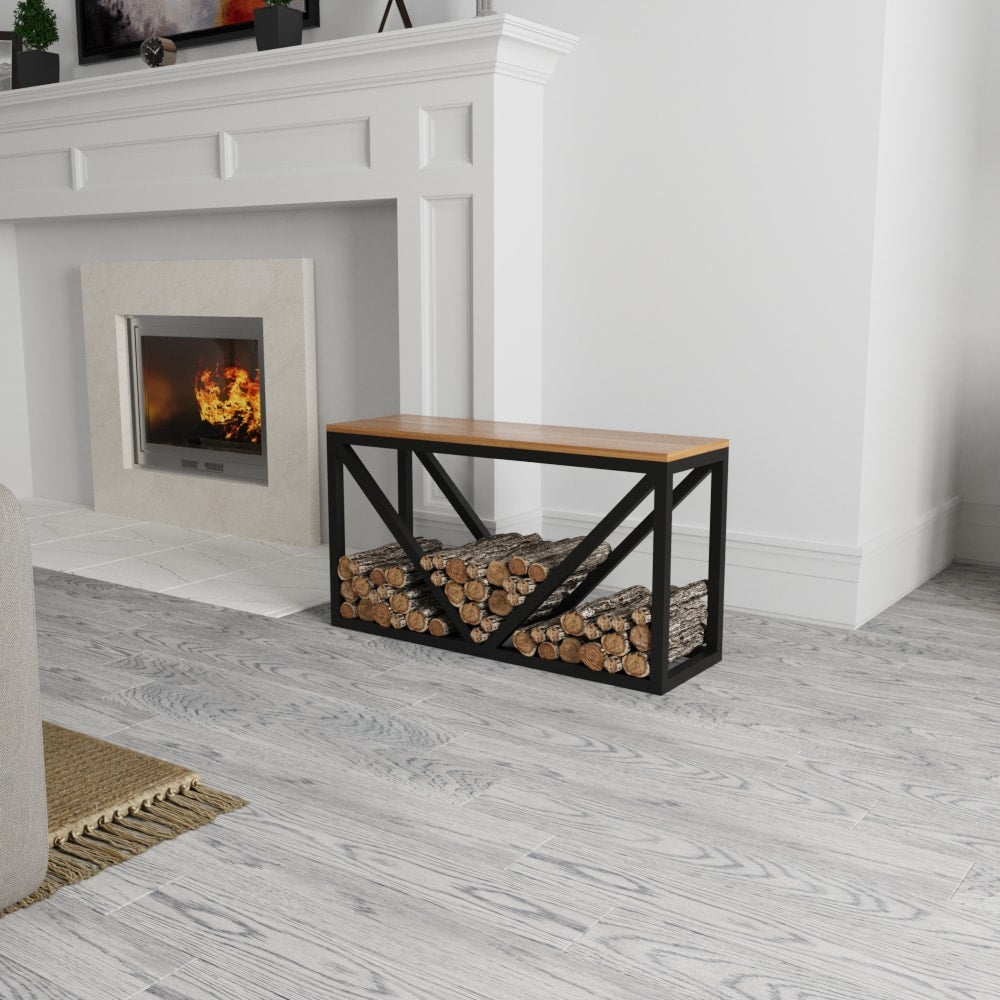
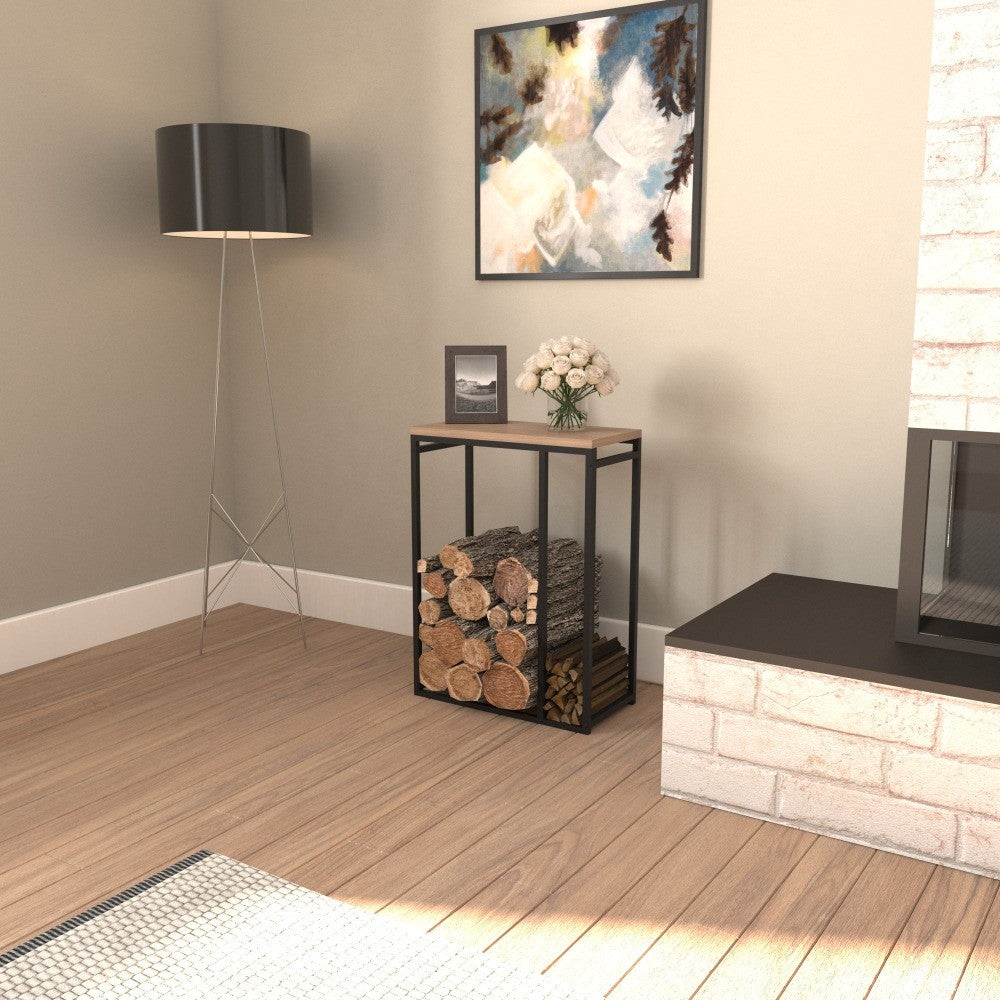
This collection includes vertical and horizontal firewood racks, decorative metal holders, minimal frames, wall-mounted options, and designs with a lower plate or a useful top surface. The right choice is less about choosing the largest rack and more about matching its footprint, loading style, and placement to the way you use your fireplace. Review each product page for the exact measurements, finish, installation requirements, and care guidance before ordering.
Use this guide to compare common firewood rack styles, plan the space beside your hearth, and find a holder that supports your routine without making the room feel crowded.
Choose an Indoor Firewood Rack That Fits the Room
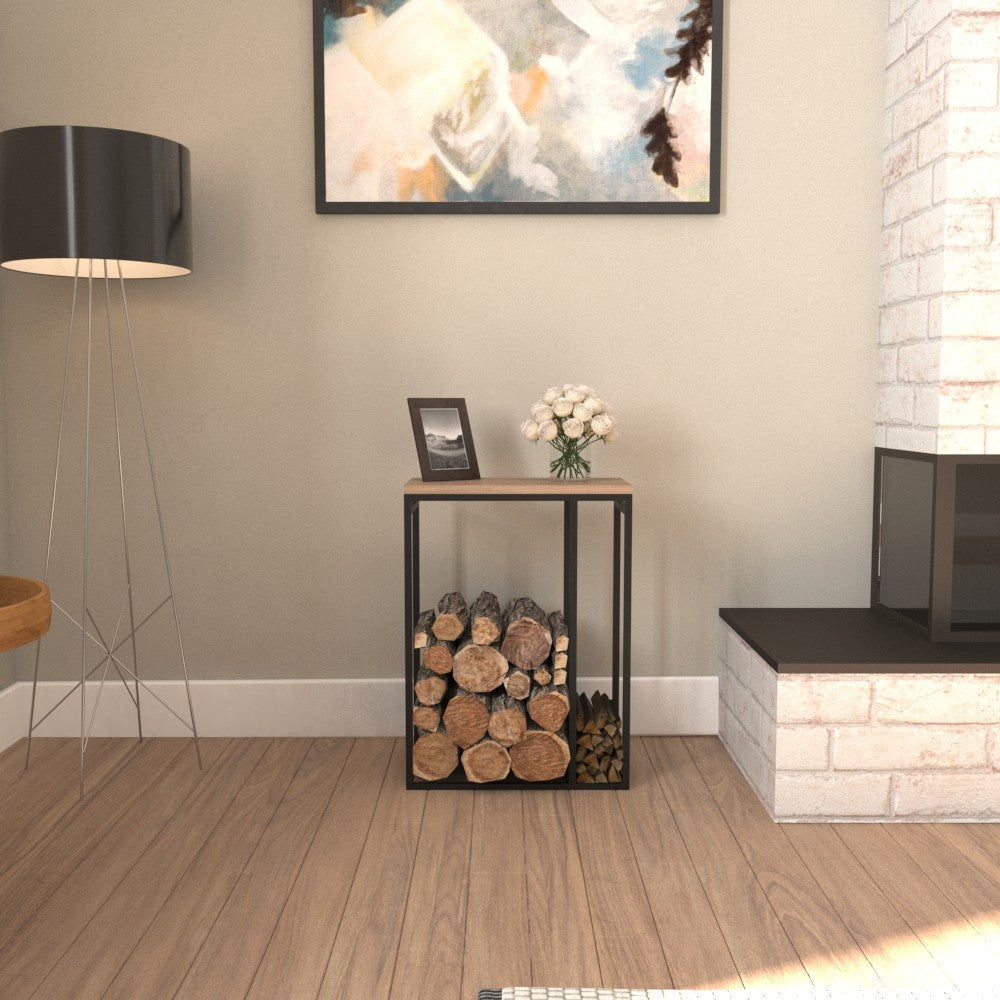
Start with the room rather than the woodpile. A narrow fireplace corner often benefits from a tall, vertical rack that concentrates the logs in a small floor area. A long low hearth, on the other hand, can carry a horizontal rack that visually follows the line of the surround. When a room already has a strong focal point such as stone, brick, tile, or a wood stove, a clean metal rack can provide order without competing for attention.
Think about how you bring wood inside. If you refill a small supply each evening, a compact holder can be the calmer choice. If you prefer fewer trips from the outdoor stack or garage, look at a broader freestanding design. Leave room to load the rack from above or the side and to remove a log without disturbing the full stack. A rack that fits on paper but is difficult to reach rarely stays organized for long.
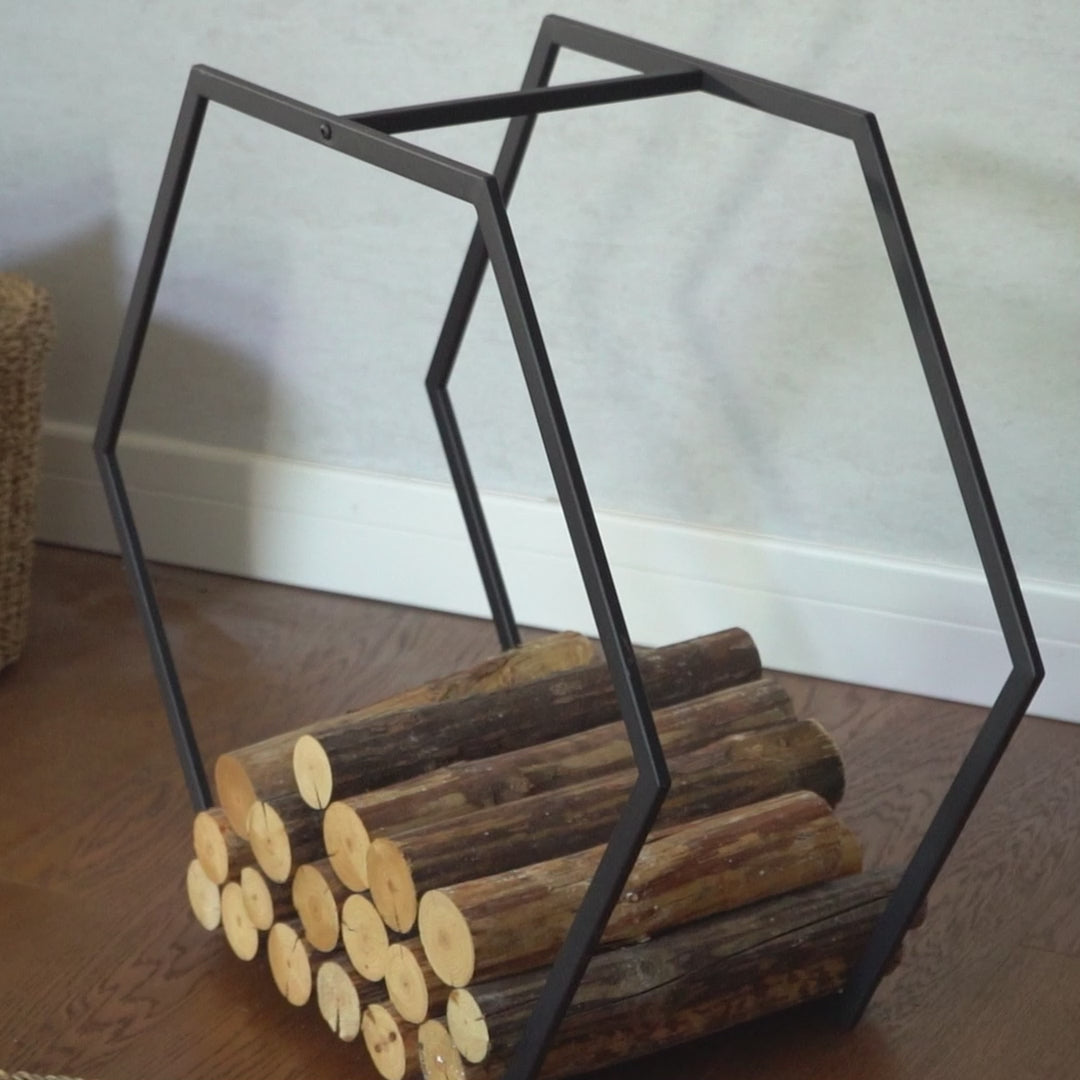
Grandmix offers both simple geometric frames and more decorative silhouettes. A Rectangle Firewood Rack suits rooms that need straightforward structure, while a Portable Hexagonal Shaped Firewood Rack adds a more sculptural note. For the full range, browse the indoor firewood rack collection and compare the product dimensions to your available wall and floor space.
Indoor Firewood Rack Comparison
| Rack style |
Best for |
Space used |
Planning note |
| Vertical freestanding rack |
Small hearths and narrow corners |
A compact floor footprint with upward storage |
Measure ceiling and mantel clearance before choosing a tall design. |
| Wide floor rack |
Frequent fires and long hearth walls |
More horizontal room beside the fireplace |
Leave a clear path for loading logs and sweeping underneath. |
| Wall-mounted holder |
Rooms where the floor should stay clear |
A dedicated vertical wall zone |
Confirm wall construction, mounting hardware, and the product instructions first. |
| Rack with bottom plate |
Containing bark and small debris |
A defined floor zone near the hearth |
A plate can make routine cleanup simpler in finished living spaces. |
| Rack with bench or shelf |
Combination hearth storage |
A larger, furniture-like footprint |
Plan the top surface for accessories, not for unsafe heat-sensitive items. |
The table is a starting point, not a substitute for individual product specifications. Split wood varies in length, diameter, and irregularity, so the usable capacity of a rack depends on how it is loaded. A little open space around the stack generally makes daily access easier and keeps the overall look lighter.
Plan Size, Capacity, and Your Refill Routine
Before choosing a log holder, decide whether it will store the wood for one evening, a weekend, or a longer stretch between refills. A daily-use rack near the fireplace is often most successful when it holds enough wood to be convenient but not so much that it dominates the room. Larger reserve storage can stay in a garage, cellar, shed, or covered outdoor area, leaving the indoor rack to do its best work as a clean, accessible staging point.
Measure the rack zone in three directions: width along the wall, depth into the room, and height below a mantel, shelf, window, or art. Then measure the route you will use to carry wood in. A generous-looking rack can still feel awkward if its depth narrows the walkway or forces you to turn sideways beside a sofa. In compact spaces, it is often smarter to use vertical volume than floor width.
For a simple visual check, mark the proposed footprint on the floor with painter's tape or place a box in the same area for a day. Notice where doors swing, where people walk, and whether a basket, fireplace tool set, or ash container also needs room. This small test is particularly helpful for a freestanding elevated metal rack or any bench-style design that occupies more visual and physical space.
Freestanding vs. Wall-Mounted Firewood Storage
Freestanding racks are the flexible choice. They can sit beside a fireplace, at the end of a hearth, in a reading nook, or near a wood stove without changing the wall. They are also easier to reposition when you refresh a room, move house, or discover that another corner works better. A Minimalist Log Holder can be especially effective when you want the wood to feel present but visually quiet.
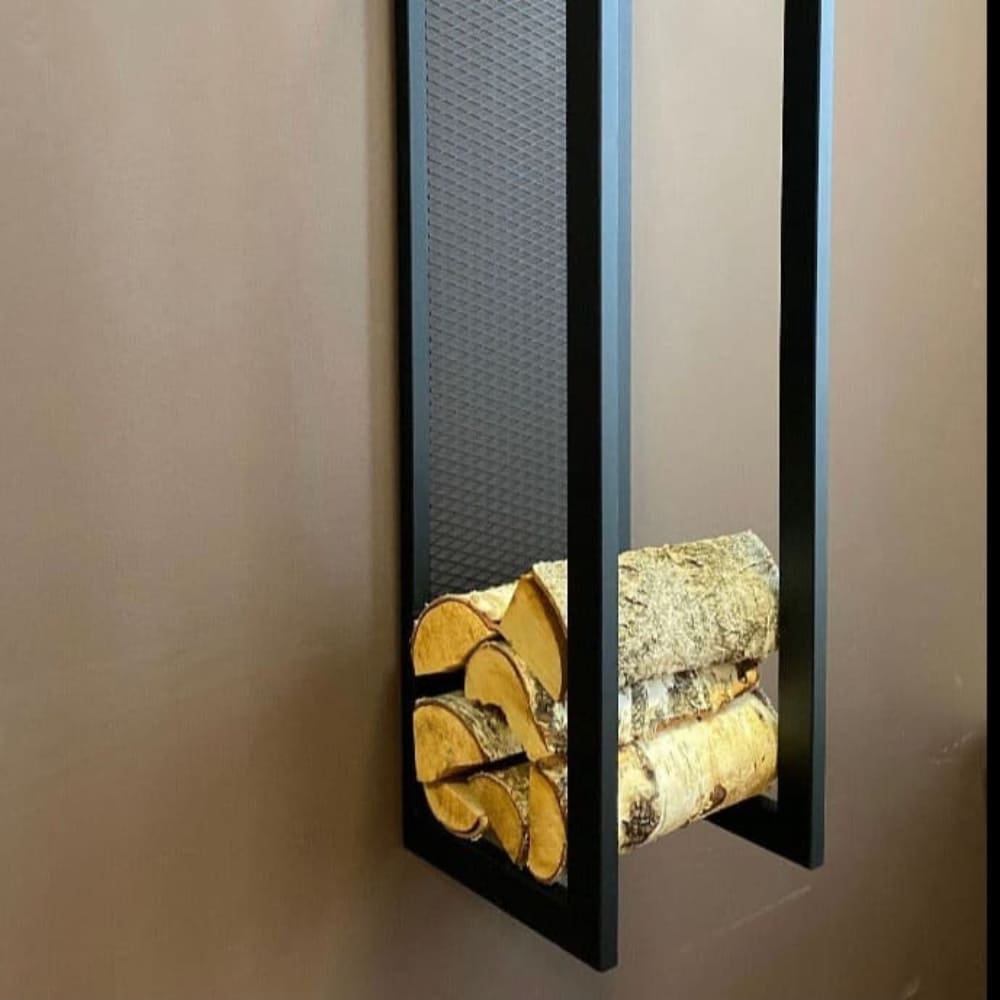
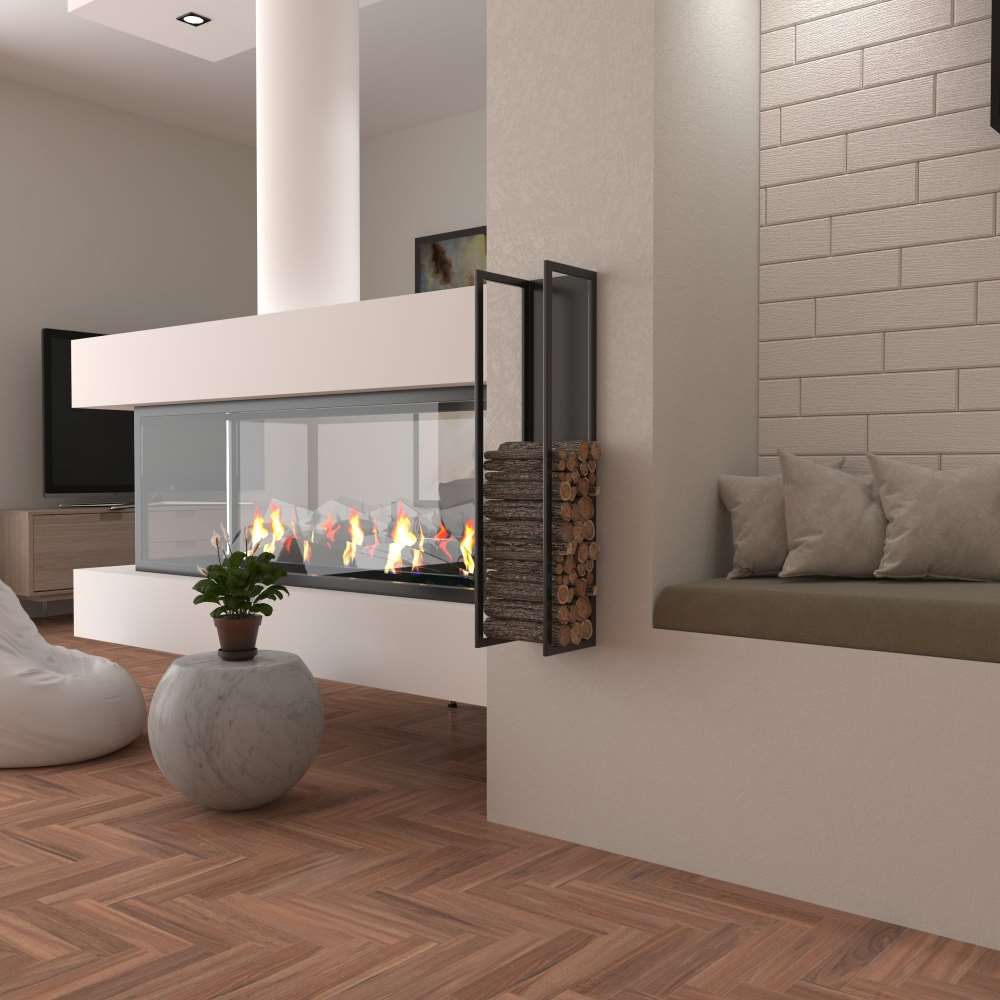
Wall-mounted firewood holders create a more architectural result and preserve floor space, but installation deserves more attention. The type of wall, the strength of the anchors, and the full weight of the stored wood all matter. Follow the mounting instructions for the exact model, use appropriate fixings, and do not treat a wall-mounted rack as interchangeable with a light decorative shelf. The Metal Wall Mounted Firewood Holder and Wall Mounted Firewood Rack are worth comparing when a clear floor line is the priority.
When in doubt, let the loading pattern decide. A floor rack is usually easiest for substantial, frequently replenished stacks. A wall-mounted design can make sense for a smaller visual supply, a narrow entry near a stove, or a room where the furniture layout leaves no comfortable floor zone. Both styles benefit from a location that is close enough to the hearth for convenience while respecting the clearance guidance for your appliance.
Bottom Plates, Kindling Storage, and Bench-Style Racks
Details change how a rack performs every day. A bottom plate is useful when you want bark fragments and small chips to stay within the rack zone instead of finding their way into a rug or between floorboards. It does not replace ordinary cleaning, but it creates a more contained landing place for messy logs. Consider the Firewood Rack with Bottom Plate when cleanup is a central concern.
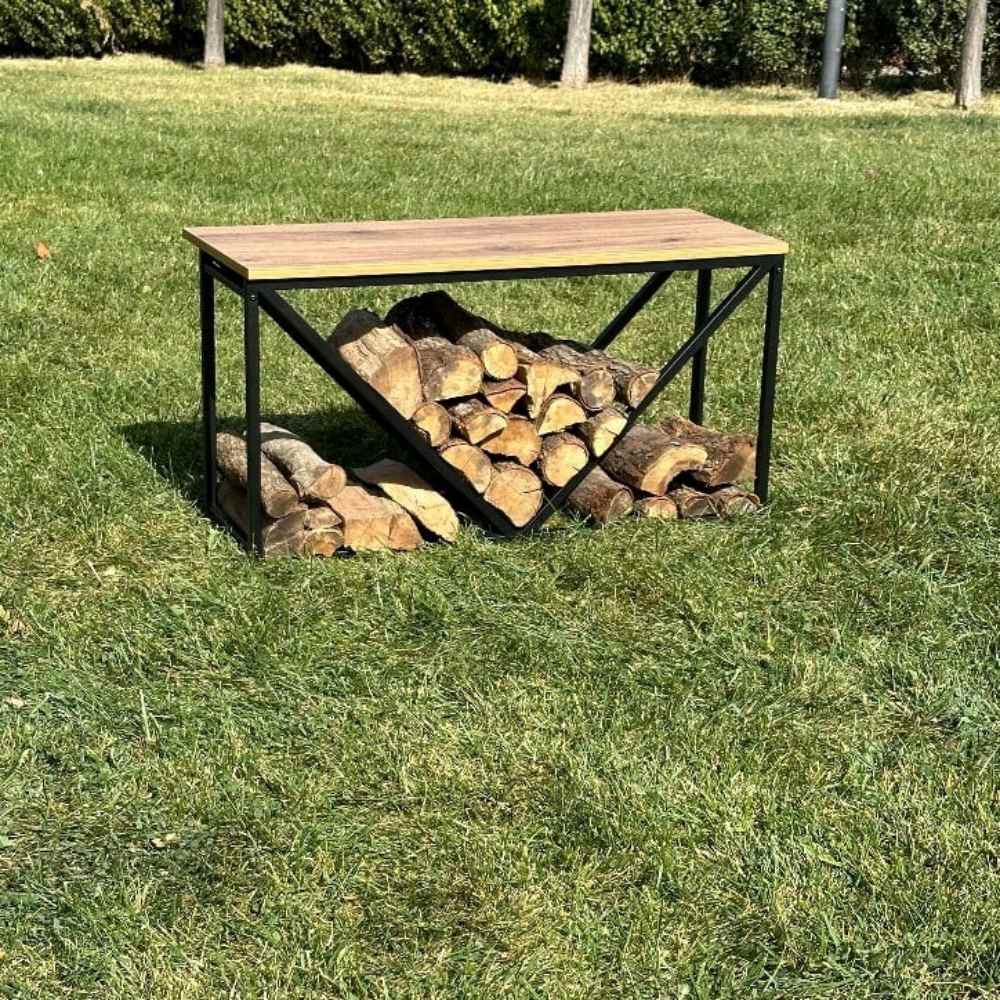
Some households need more than a place for main logs. Matches, kindling, gloves, a lighter, and fireplace tools all need a home, yet they should not turn the hearth into a crowded utility station. A model with a defined shelf or bench can help establish zones: wood below, a small number of non-combustible accessories above, and tools positioned where they can be reached safely. Keep product surfaces clear of hot objects, ash containers, and anything that could create a fire risk.
The Metal Log Holder with Bench offers a furniture-like direction for a spacious hearth side, while a plain open-frame rack gives an airier effect in smaller rooms. Choose based on how you live around the fireplace. A compact apartment may value visual lightness; a cabin lounge may benefit from a more substantial piece that anchors the fireplace zone.
Placement Ideas for Fireplaces, Stoves, Cabins, and Living Rooms
A firewood rack should support the fireplace without creating congestion. For a traditional fireplace, place the rack to one side of the hearth rather than directly in front of it. This leaves a clear approach for lighting, tending, and cleaning. In a room with a wood stove, evaluate the full circulation path: the rack must be easy to reach when the stove is in use, but it must remain outside the appliance clearance requirements. Always follow the stove or fireplace manufacturer's instructions and local safety guidance.
In a cabin or rustic space, a firewood holder can become part of the room's texture. Black metal is a natural partner for warm wood walls, stone, vintage rugs, and leather seating. In a more modern living room, pair a simple rack with a low-profile tool set and keep the surrounding surfaces deliberately spare. The logs supply their own visual interest; the rack's job is to frame them cleanly.
Garages and covered patios call for a more practical setup. Keep the rack on a stable, level surface and select the location with everyday weather exposure in mind. Collection-level finish information is useful, but the product page is the authority for model-specific care and placement. For décor beyond the hearth, see Living Room Decor and Racks & Holders.
How to Measure Before Buying
Good measurement is what turns an appealing firewood rack into a useful one. First, record the maximum width and depth your floor plan can comfortably absorb. Next, note the height of nearby features: mantle edges, windowsills, shelves, light switches, and artwork. Finally, consider the logs themselves. If you buy or cut longer pieces, a narrow or shallow holder can create frustrating overhang even when its exterior dimensions fit the room.
-
Floor zone: Measure the usable area after allowing for walking paths, doors, furniture, and fireplace tools.
-
Appliance clearance: Use the fireplace or stove guidance as the first rule for placement.
-
Loading direction: Confirm that you can add and remove logs comfortably from the side or top.
-
Wall condition: For mounted designs, check the wall material and required anchoring method before purchase.
-
Cleaning access: Leave enough room to sweep, vacuum, or lift a protective floor mat when needed.
Do not use a collection description as a specification sheet. The individual product page provides the dimensions and model details needed for a final decision. Comparing two or three pieces side by side is usually more useful than trying to estimate capacity from photography alone.
Create a Coordinated Hearth Area
A well-planned hearth zone feels edited rather than over-decorated. Choose one rack, one practical tool set, and one or two complementary objects that fit the scale of the room. A broad stone fireplace can handle a substantial rack and a bench-style log holder. A narrow apartment fireplace may only need a vertical holder and a small ash-safe accessory nearby. Keeping the palette tight helps the wood stack feel like a material choice rather than clutter.
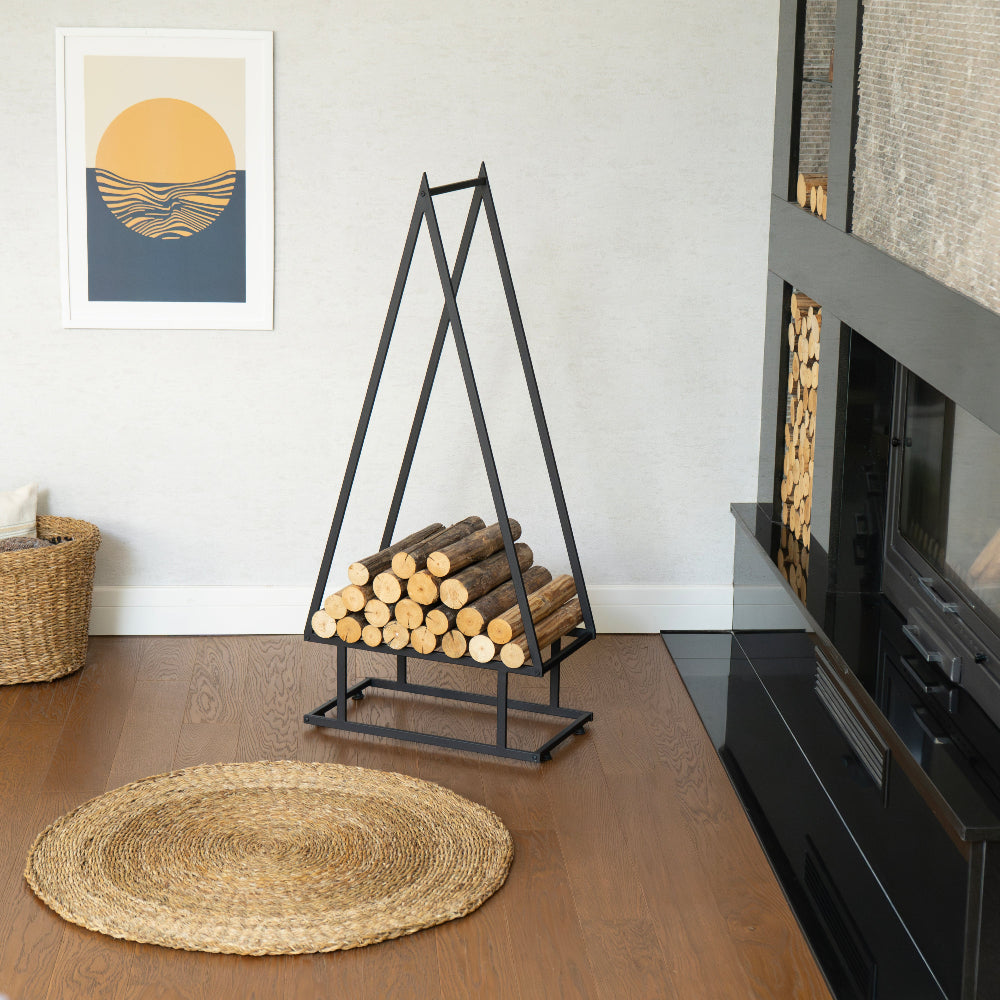
Match the rack's geometry to the rest of the room. Rectangular designs echo clean-lined shelving and cabinetry. Rounder or hexagonal pieces soften a room filled with straight edges. Decorative racks can carry more personality, while minimalist designs make the wood itself the focus. The Elegant Metal Log Rack and Modern Metal Log Holder show two different directions within the same practical category.
Seasonal styling can stay restrained. A basket for kindling, a textile placed well away from heat, or a simple set of candleholders on a separate side table may be all that is needed. The key is to protect the open space around the appliance and maintain a setup that is easy to reset after each fire.
Care, Everyday Use, and Fireplace Safety
For ordinary dust, wipe a metal firewood rack with a soft dry cloth. For marks, use a damp cloth with mild soap and dry the surface afterward. Avoid abrasive pads and harsh solvents, which can damage the finish. Follow any product-specific care instructions before using cleaners or placing a rack in a particular indoor or covered outdoor setting.
Use a rack only on a stable, level surface, and distribute logs rather than forcing an uneven stack to one side. Do not exceed the product's intended load. Keep the rack, firewood, and any decorative items outside the safety clearance specified by the fireplace or stove manufacturer. A neat rack is useful, but safety has the final say over visual placement.
Firewood is naturally messy. Sweep or vacuum the surrounding area regularly, particularly if the rack sits on light carpet or hard flooring with visible seams. A small routine after each refill keeps the hearth looking composed and prevents the collection point for logs from becoming another household chore.
Find the Right Grandmix Firewood Rack Style
Whether you are building a compact fireplace corner or refining a whole cabin living room, the best log holder is the one that makes wood easy to store, safe to access, and pleasant to look at. Begin with the available space, compare the loading style, then choose the silhouette that fits the room. Browse the complete Indoor Firewood Racks collection to see current styles and product-specific information.
For a linked storage theme elsewhere in the home, explore Home Decor and Racks & Holders. These collections make it easier to carry a consistent metal finish and practical organizing approach from the hearth into living rooms, entryways, and utility spaces.
Indoor Firewood Rack FAQs
What is the best indoor firewood rack for a small space?
A vertical freestanding rack is often the best place to start because it uses height rather than a wide floor footprint. Measure the corner, account for appliance clearance, and compare exact product dimensions before choosing.
Should I choose a firewood rack with a bottom plate?
A bottom plate can be helpful when bark and wood chips are a concern, especially on finished floors or beside a rug. It is a practical feature for easier cleanup, but it should be chosen alongside the rack's size, placement, and loading style.
Can a metal firewood rack be used outside?
Placement depends on the model and its product-specific guidance. Grandmix racks use powder-coated galvanized metal, but conditions such as standing water, prolonged direct weather exposure, and wet ground can affect any outdoor setup. Review the exact product page before using a rack outdoors.
How close can a firewood rack sit to a fireplace or stove?
Follow the clearance requirements supplied by the fireplace or stove manufacturer and applicable local guidance. Convenience never outweighs appliance safety; place the rack where it is accessible without entering the required safety zone.
What is the difference between a firewood rack and a log holder?
The terms are often used interchangeably. In practice, a rack may describe a wider or higher-capacity frame, while a log holder can refer to a compact or decorative design. The more important distinction is the product's dimensions, intended loading style, and installation method.