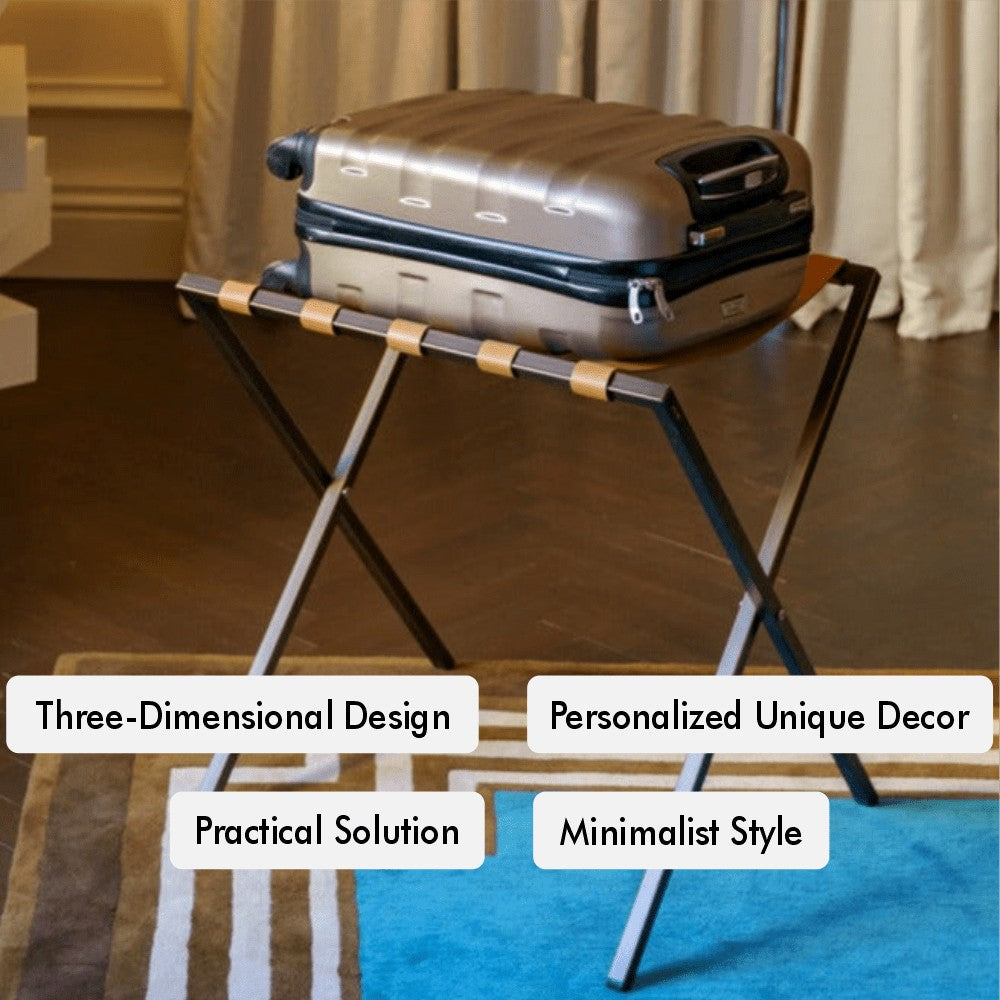
A luggage stand gives a suitcase a clean, practical place to land when guests arrive. Instead of opening a bag on the bed, floor, or a chair that is needed for seating, a dedicated luggage rack keeps the case elevated, accessible, and contained in one small zone. It is a simple addition that makes a guest room feel considered from the first overnight stay.
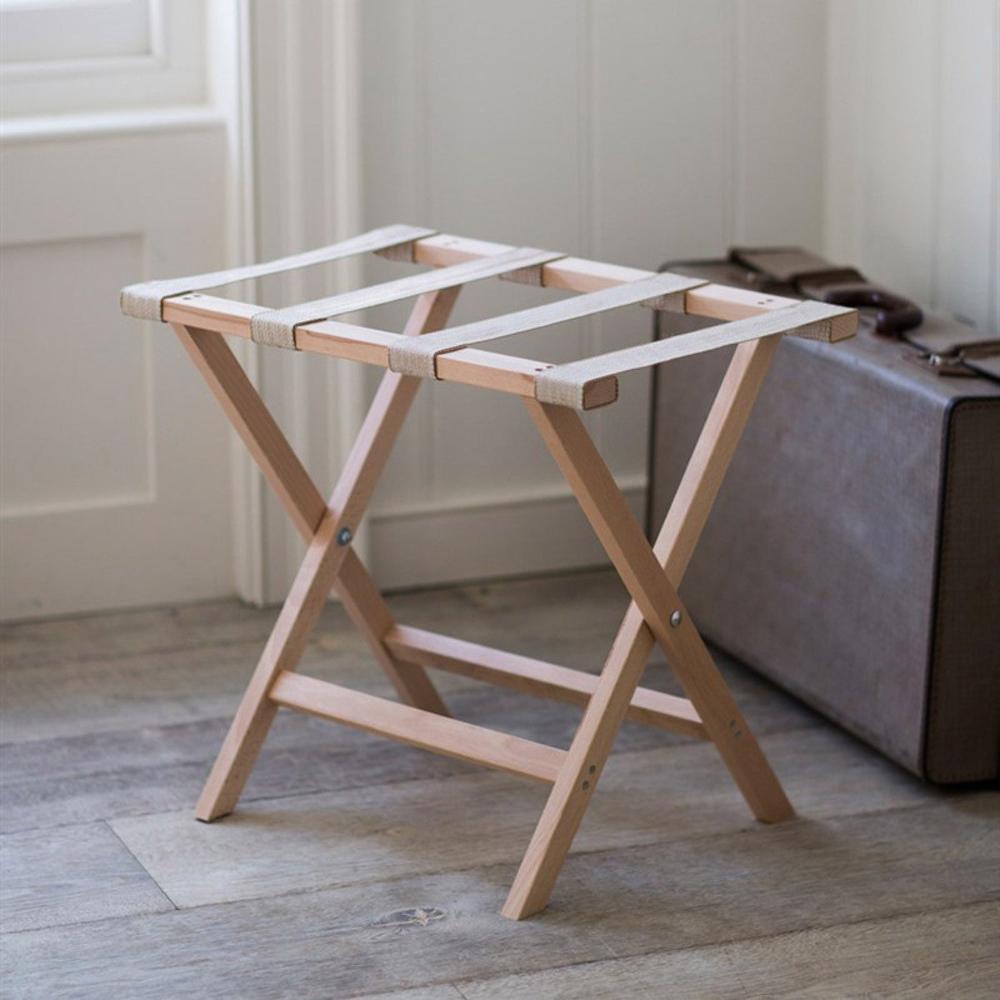
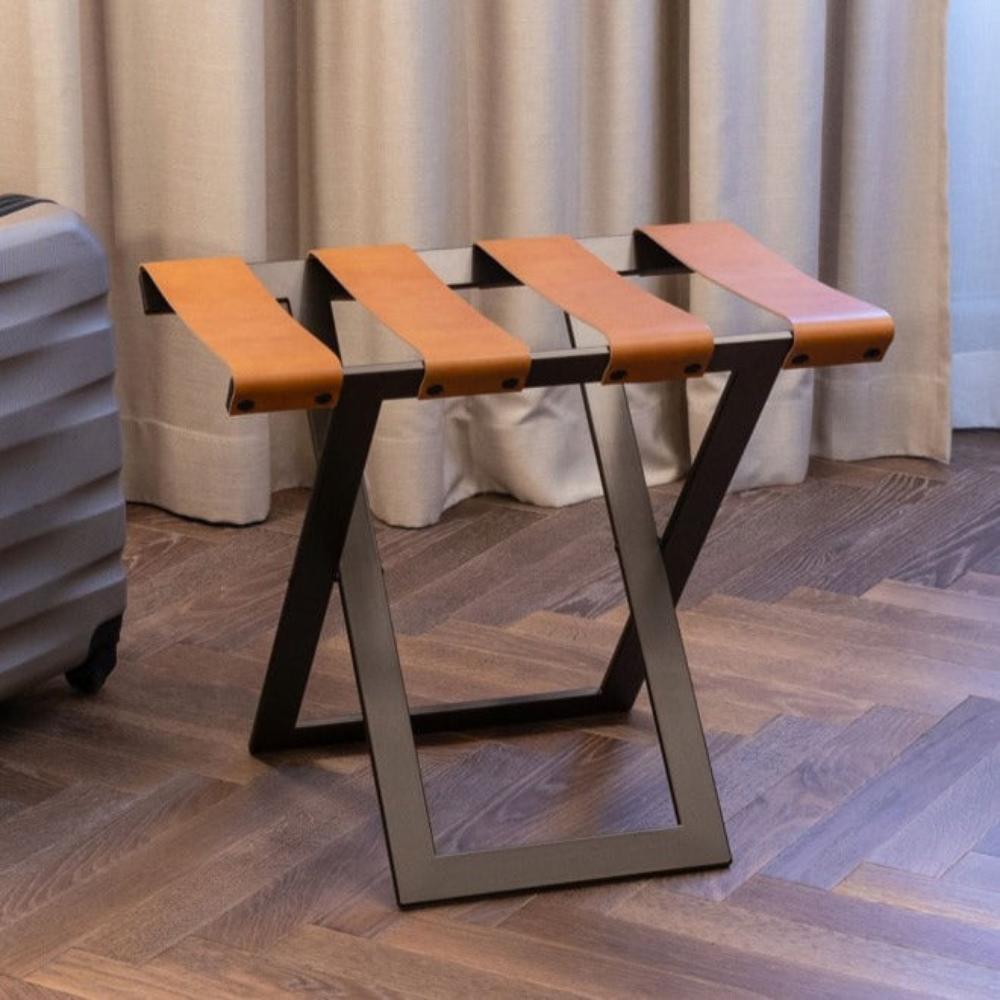
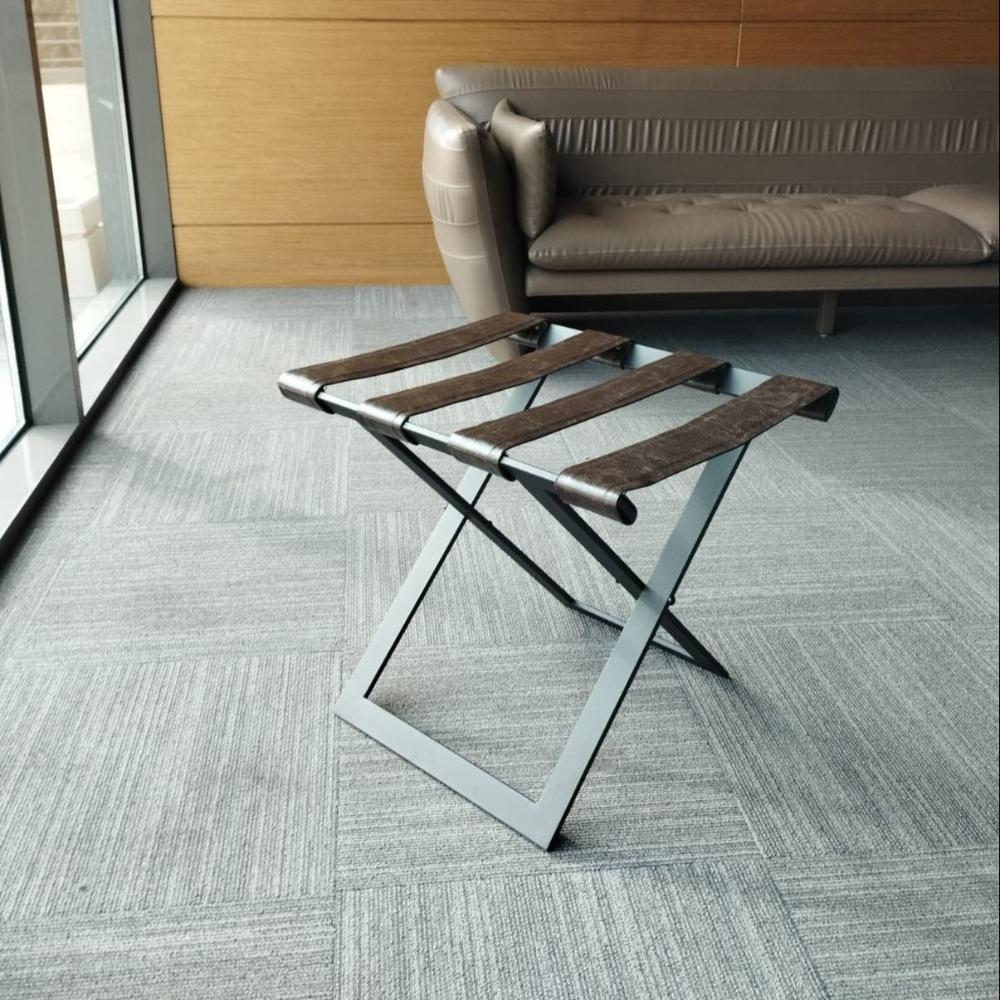
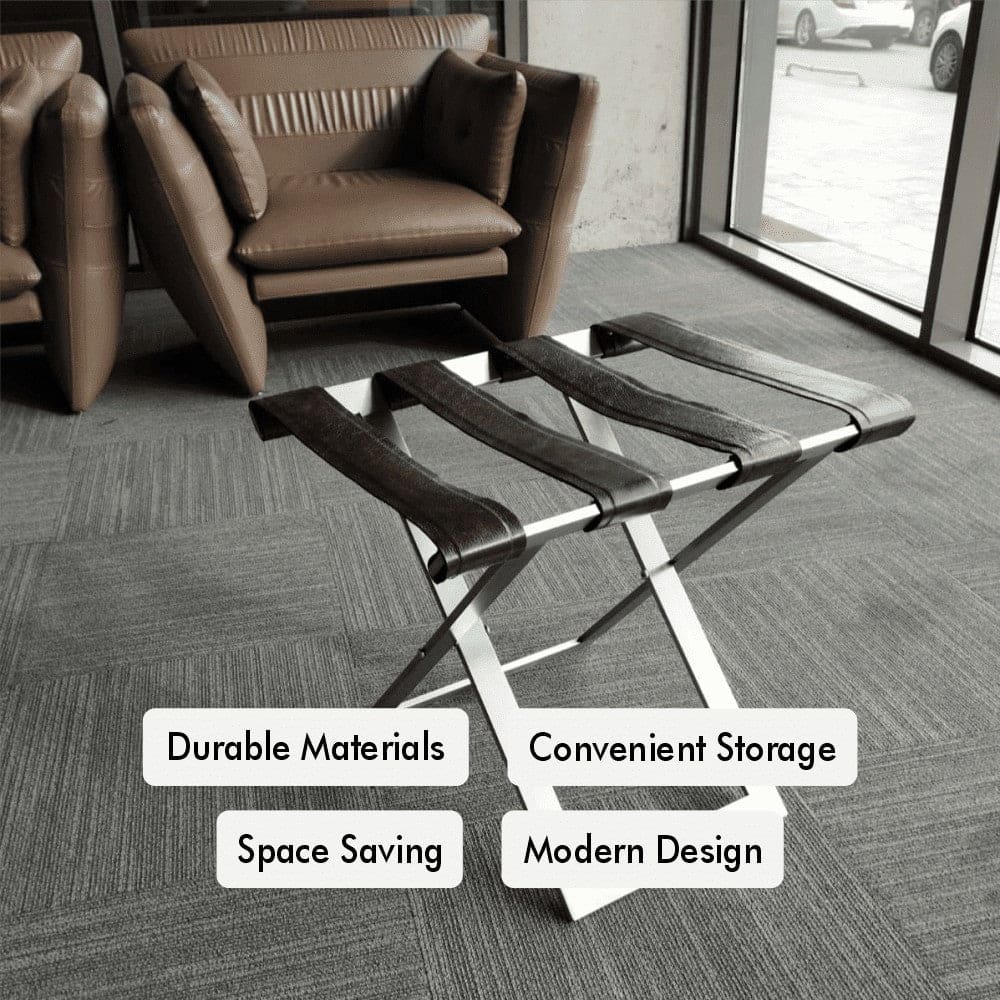
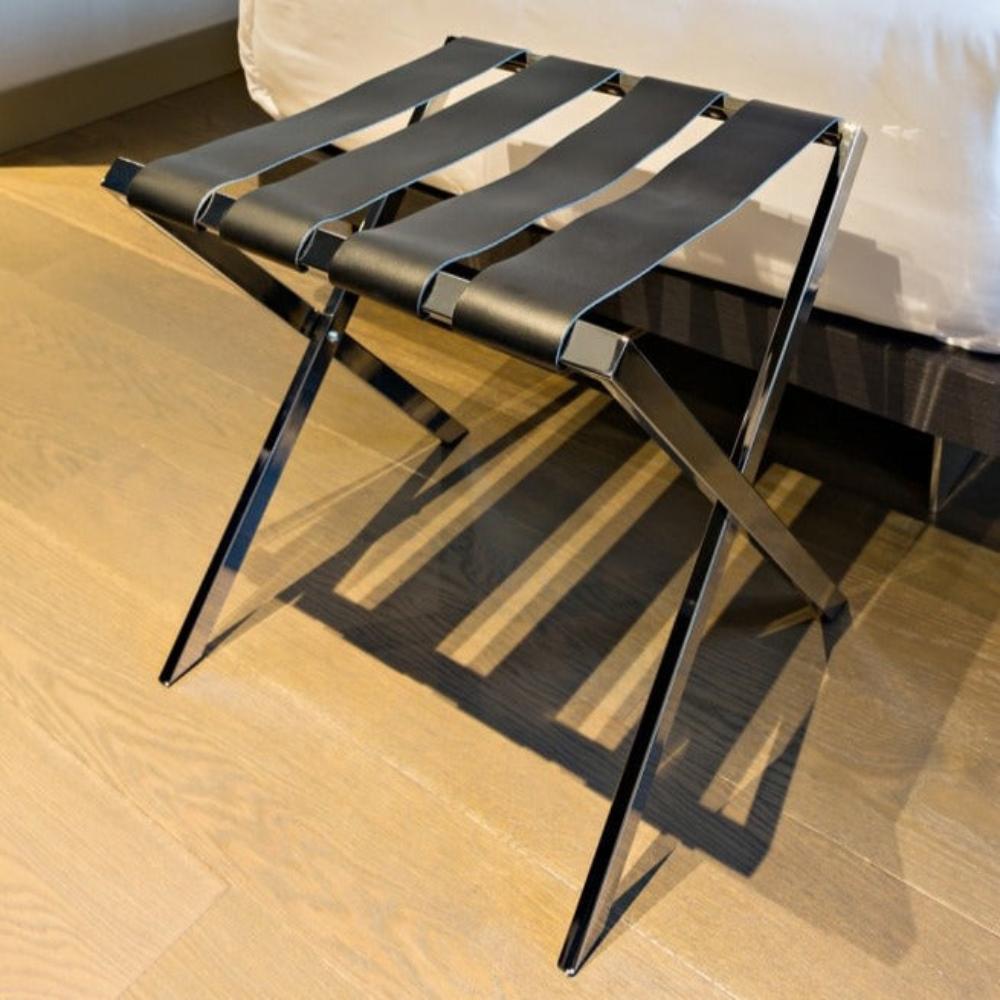
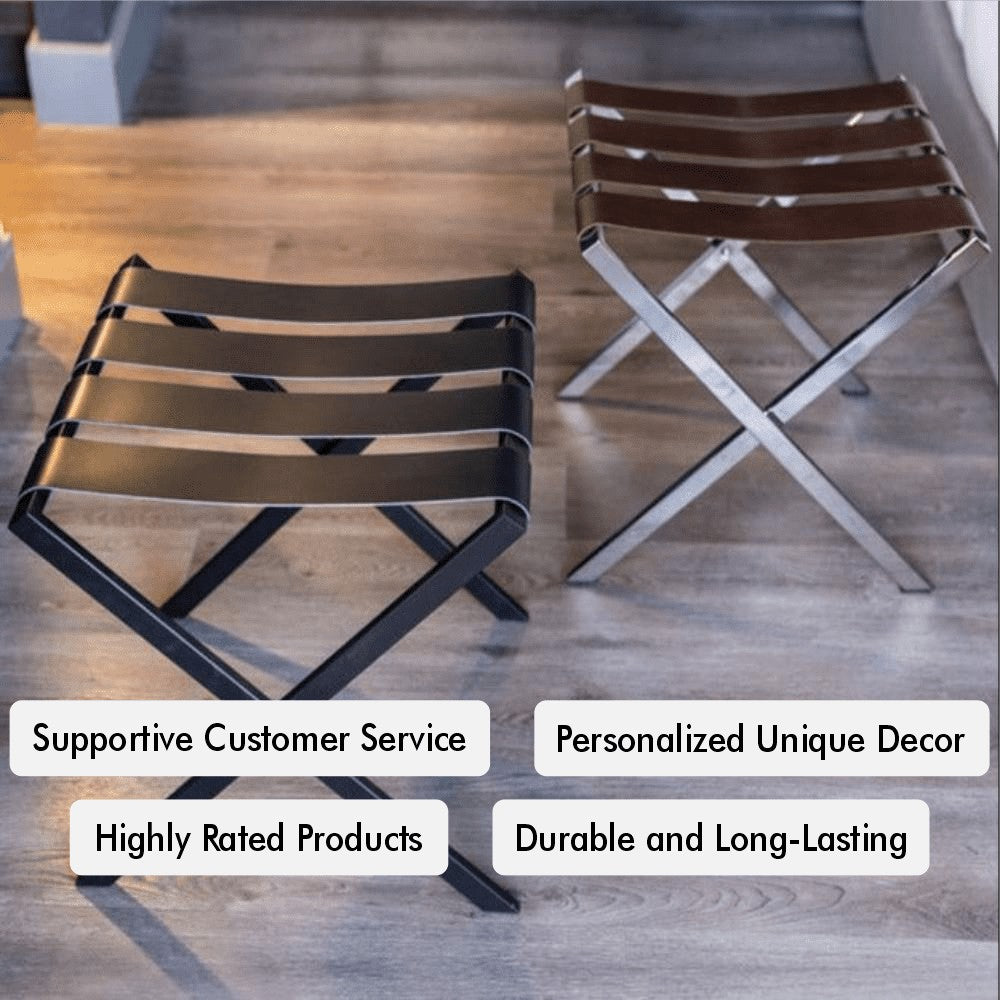
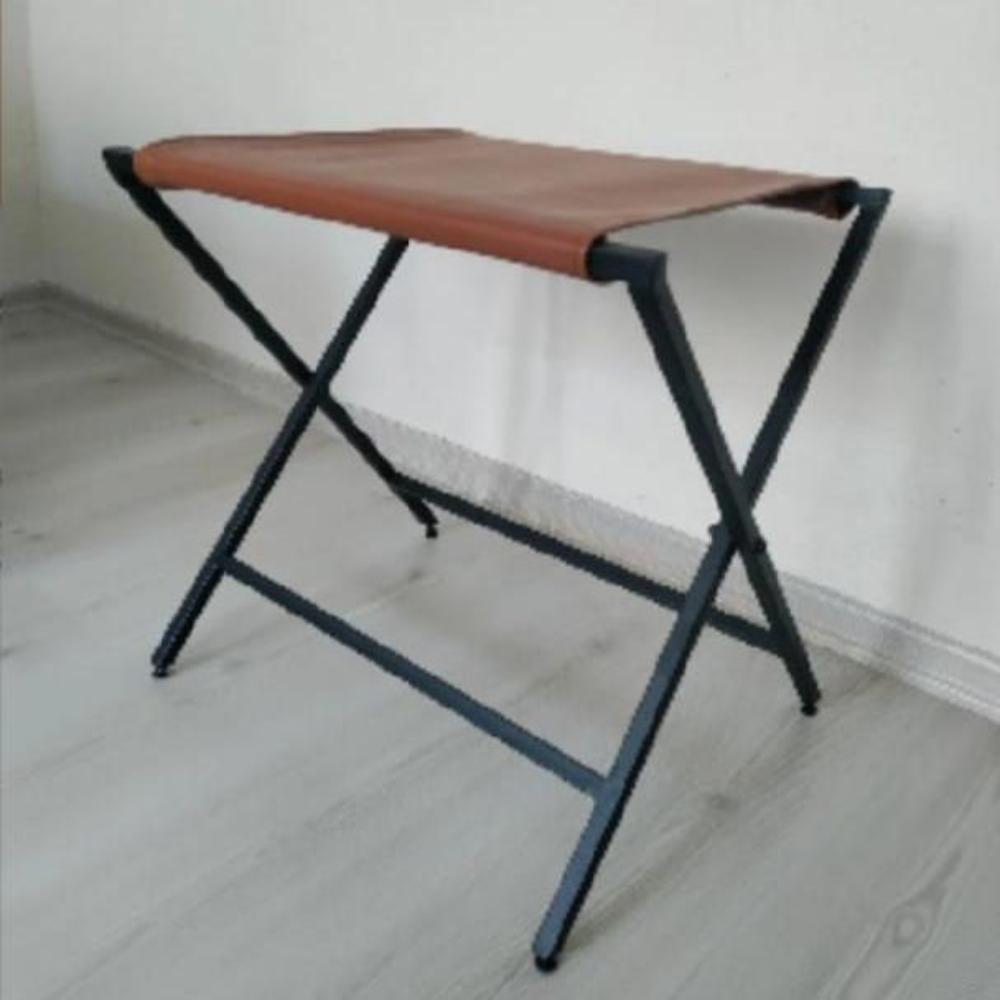
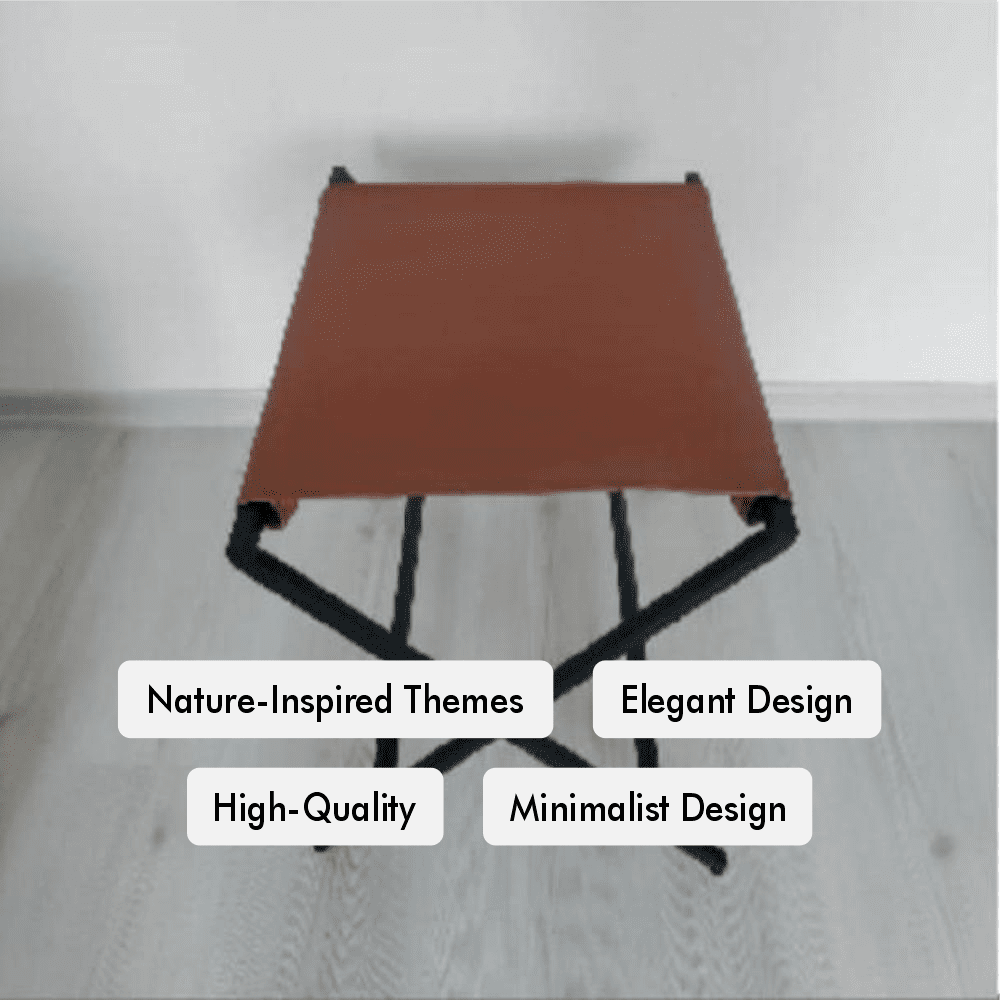
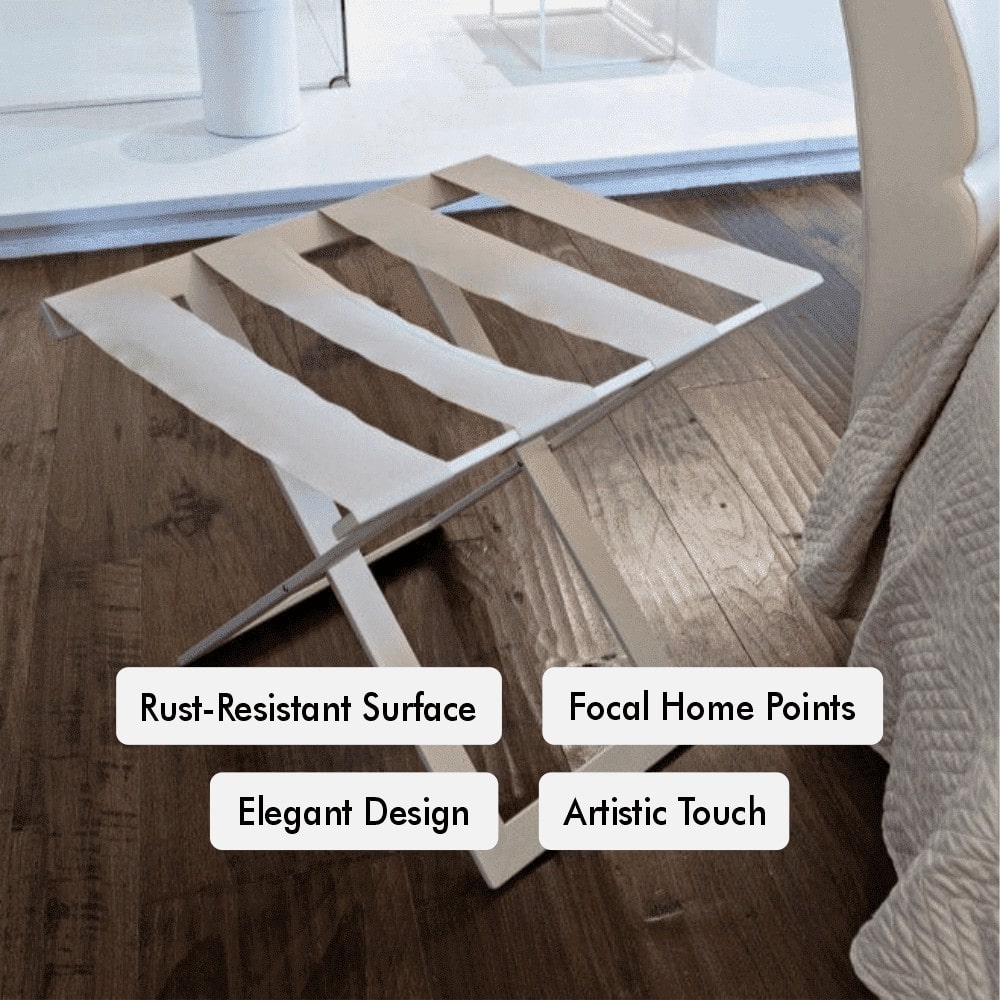
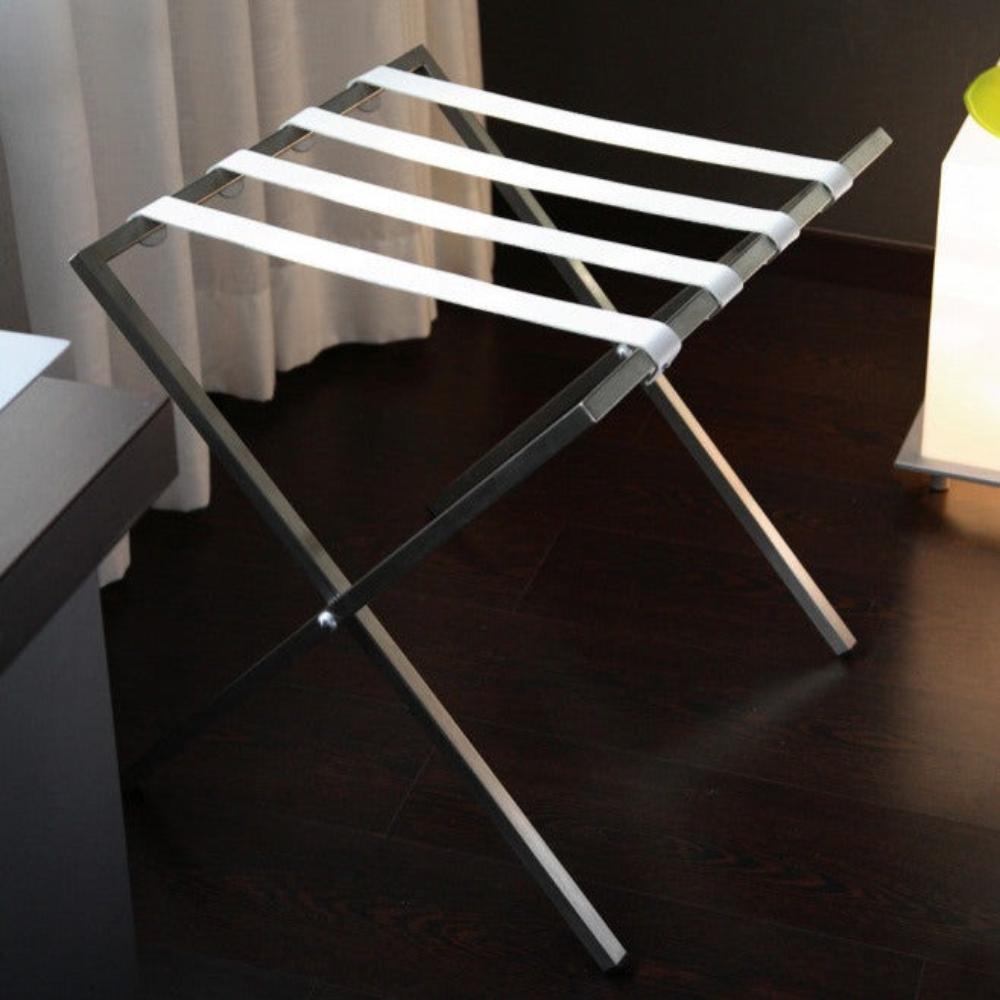
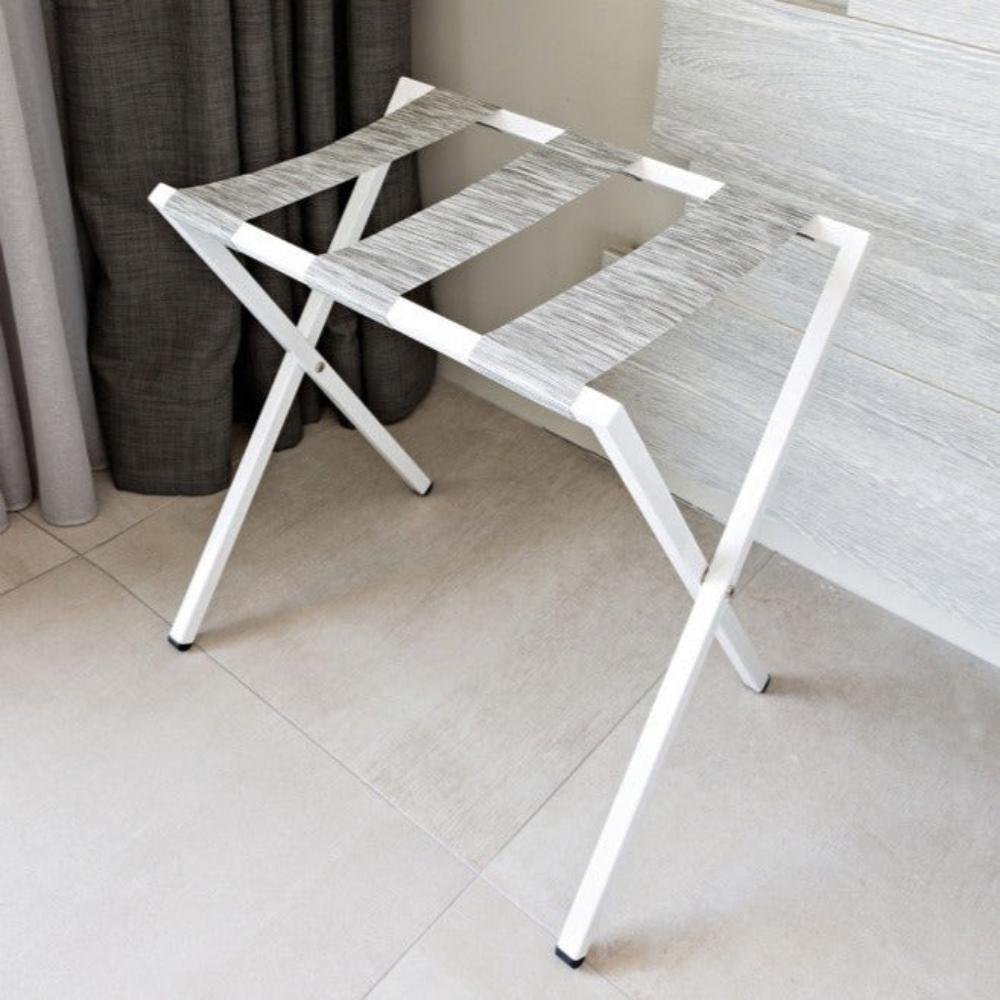
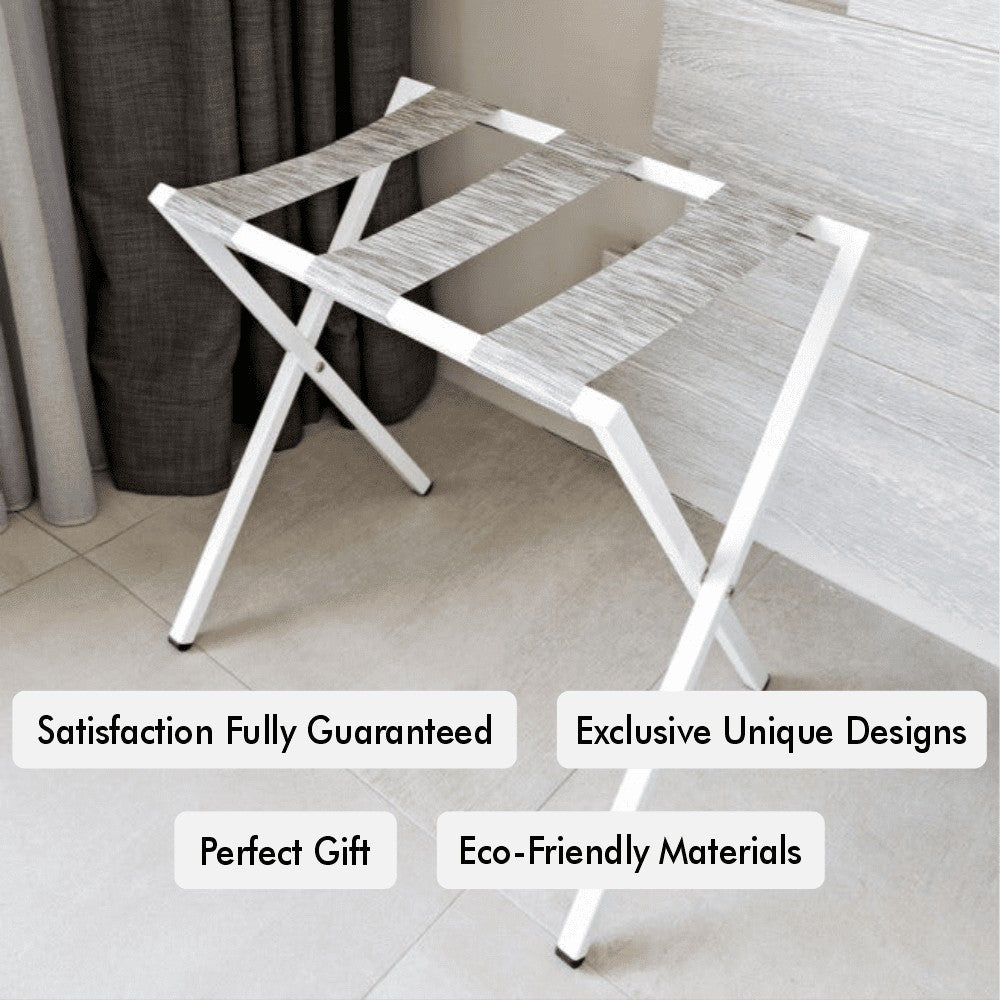
Grandmix luggage racks include foldable wood designs and metal frames with genuine leather straps or leather surfaces. They suit guest bedrooms, vacation rentals, boutique hotels, dressing rooms, and any home where visitors need an easy place to unpack. Choose the rack around the room, the type of luggage your guests tend to bring, and the way you want to store the piece between visits.
Use this guide to compare styles, plan the right placement, and choose a luggage rack that balances the guest experience with your home's everyday layout. Check every product page for exact dimensions, finishes, materials, care instructions, and product-specific capacity guidance.
Why a Luggage Rack Belongs in a Guest Room
A luggage rack has one clear job: it places a suitcase at a comfortable height so guests can pack and unpack without constantly bending to the floor. That function can make a bedroom feel more orderly, particularly in smaller rooms where a suitcase placed on the floor blocks walking space or becomes an obstacle beside the bed. It also gives a visitor an obvious place for their belongings without asking them to use a dresser, bench, or a clean bedspread as a luggage surface.
Hotels have used luggage stands for years because they help a room work immediately for a new arrival. The same logic applies at home. In a spare room, a folding rack signals that the space is ready to host someone. In a vacation rental, it helps guests settle in quickly. In a primary bedroom or dressing room, it can support the less glamorous but very real moments before and after a trip.
Placement matters more than ornament. A good rack sits close enough to the bed or wardrobe to be convenient, but not so close that it interrupts a door, drawer, or walking route. In most rooms, a clear wall beside the bed, the foot of the bed, or an open area near a closet works well. The rack should feel like a useful landing point, not a piece of furniture visitors need to move around.
Luggage Stand Comparison
| Style |
Best for |
Look and feel |
Planning note |
| Foldable wooden rack |
Warm guest rooms, cottages, and classic interiors |
Natural and relaxed |
Consider the wood tone alongside the bed, nightstand, and flooring. |
| Metal frame with leather straps |
Hotels, rentals, and modern bedrooms |
Structured and refined |
Choose frame and strap colors that work with existing hardware and textiles. |
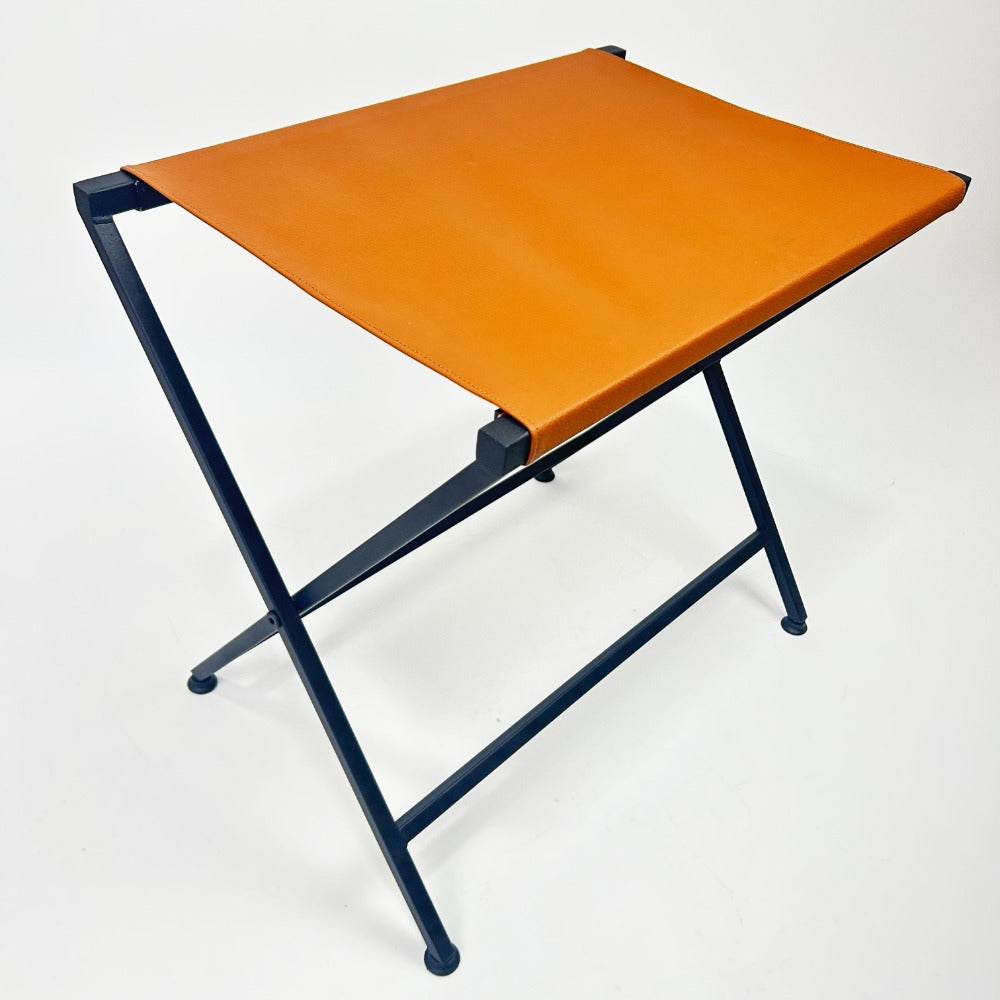
| Full leather-top suitcase rack |
Rooms with a more tailored furniture feel |
Clean, substantial surface |
Review the usable top dimensions for the luggage sizes you expect. |
| Compact folding rack |
Occasional hosting and smaller bedrooms |
Easy to store out of sight |
Measure both the open footprint and the storage location when folded. |
The best rack is not necessarily the largest one. A compact foldable stand can be perfect for a guest room used only a few times a year, while a more substantial metal-and-leather design may suit a boutique rental or a frequently used spare bedroom. Compare the full product specification rather than judging the usable surface from photographs alone.
Wood or Metal: Choose for the Room and Routine
Wooden luggage racks bring softness and warmth to a guest room. They work naturally alongside upholstered headboards, light bedding, woven textiles, timber furniture, and traditional décor. A Foldable Wooden Luggage Rack is a strong choice when you want the stand to blend quietly into a familiar, residential room rather than read as a commercial fixture.
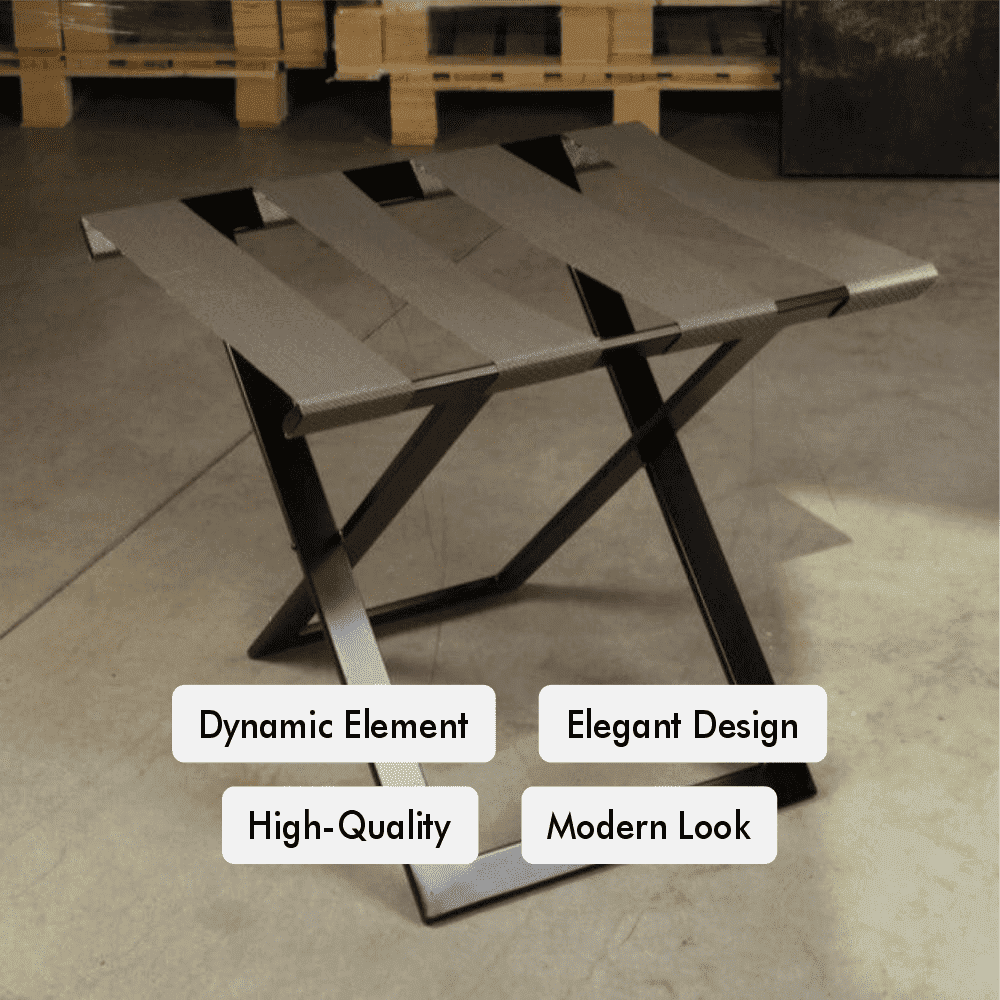
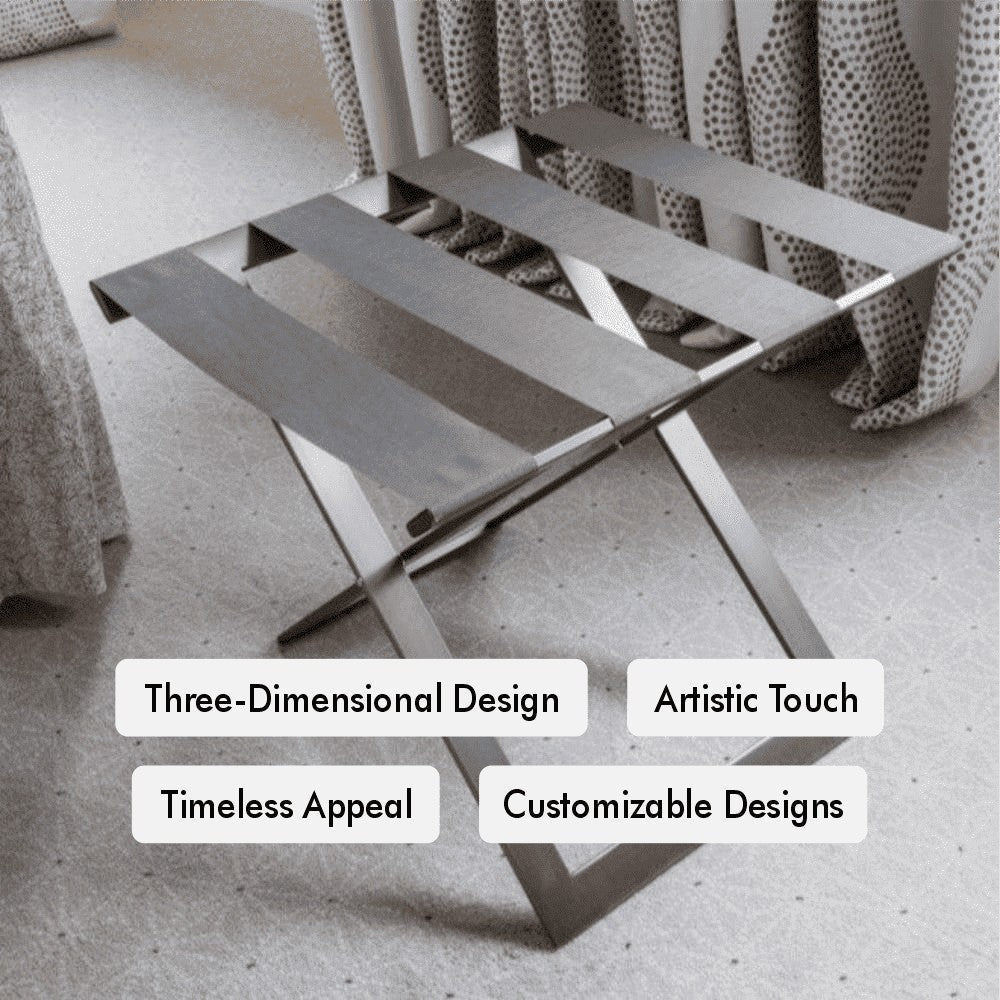
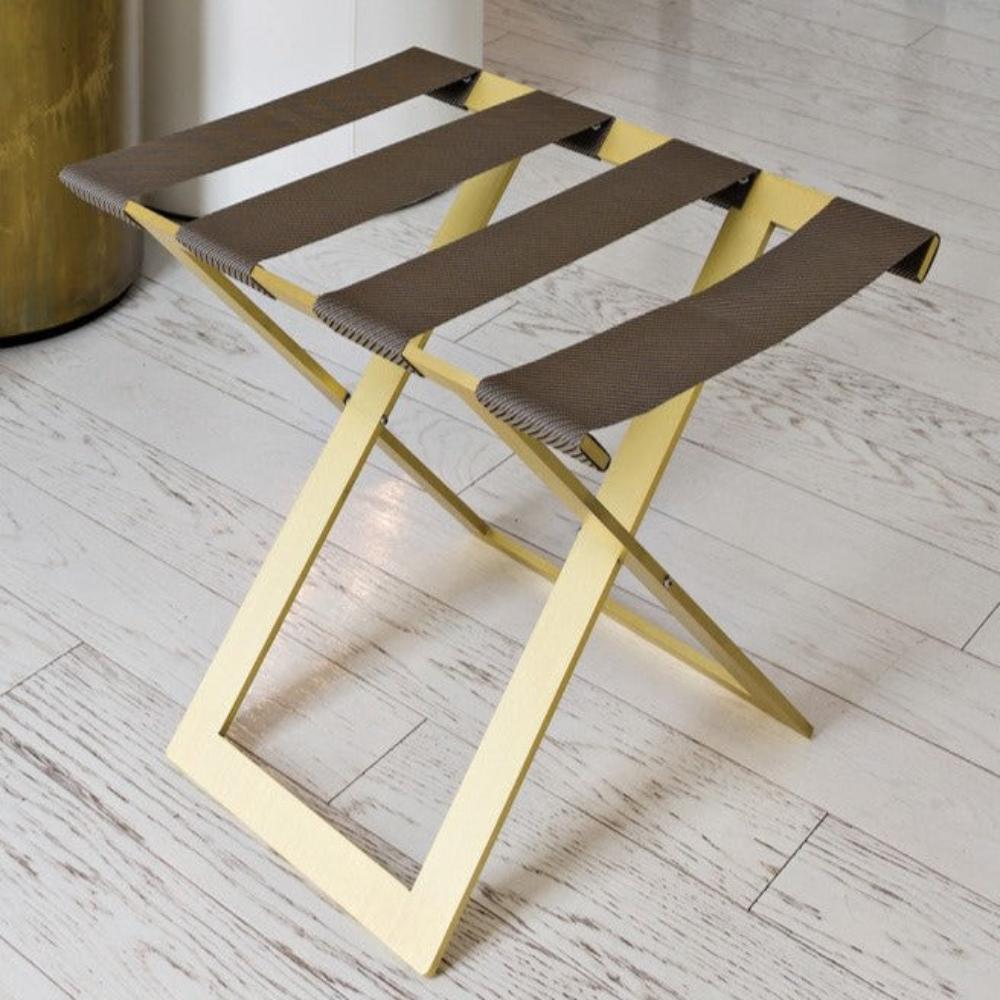
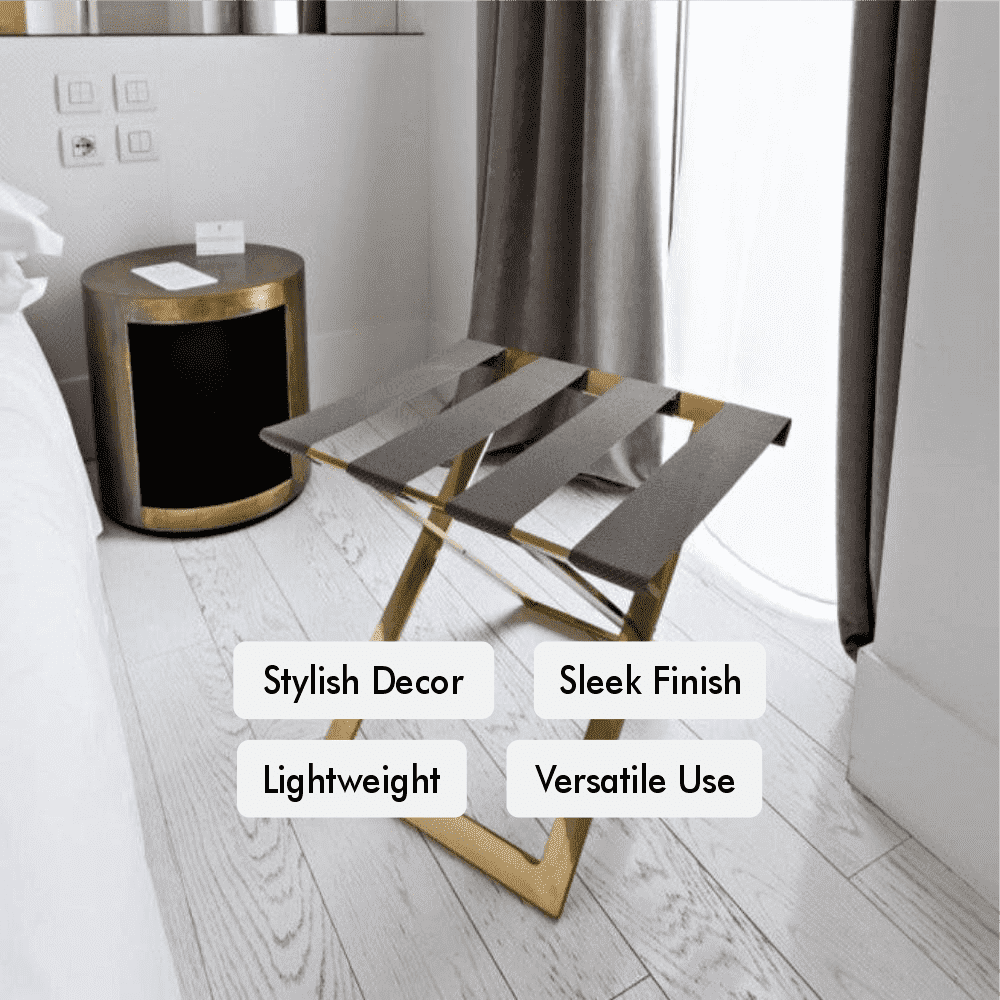
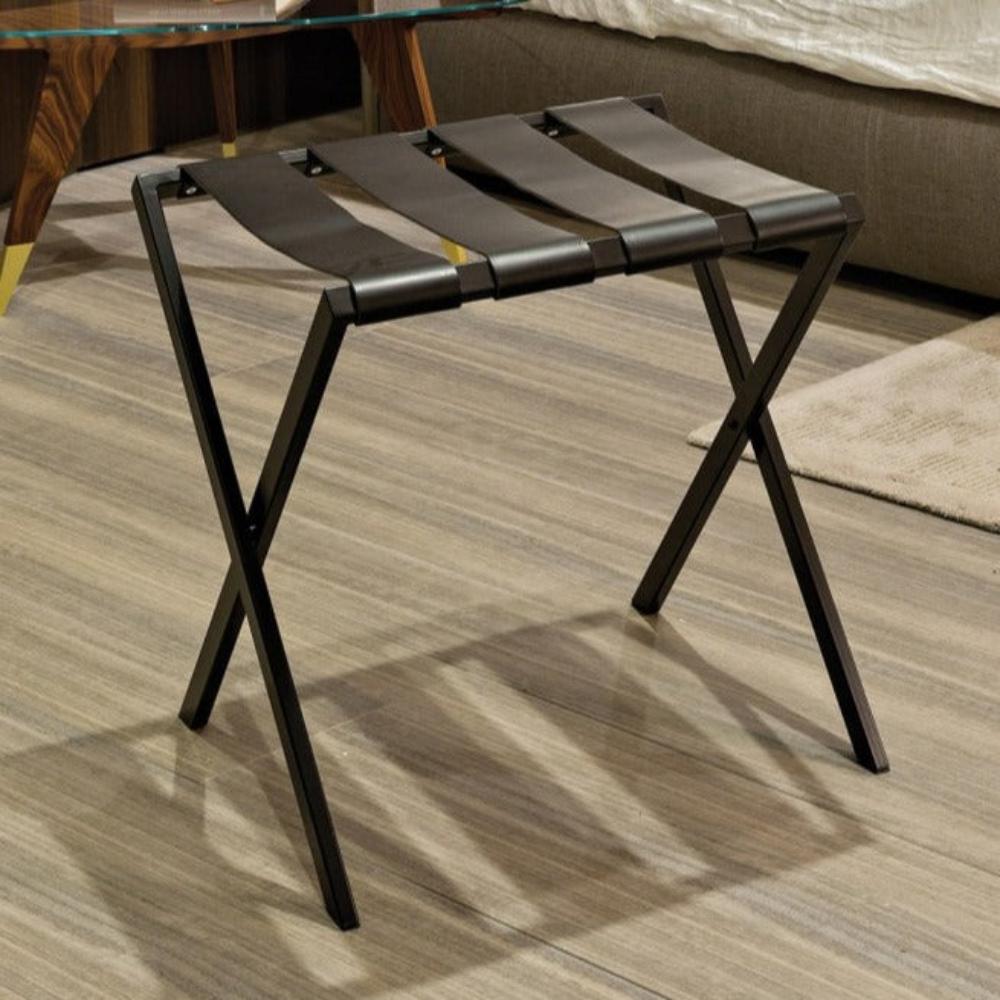
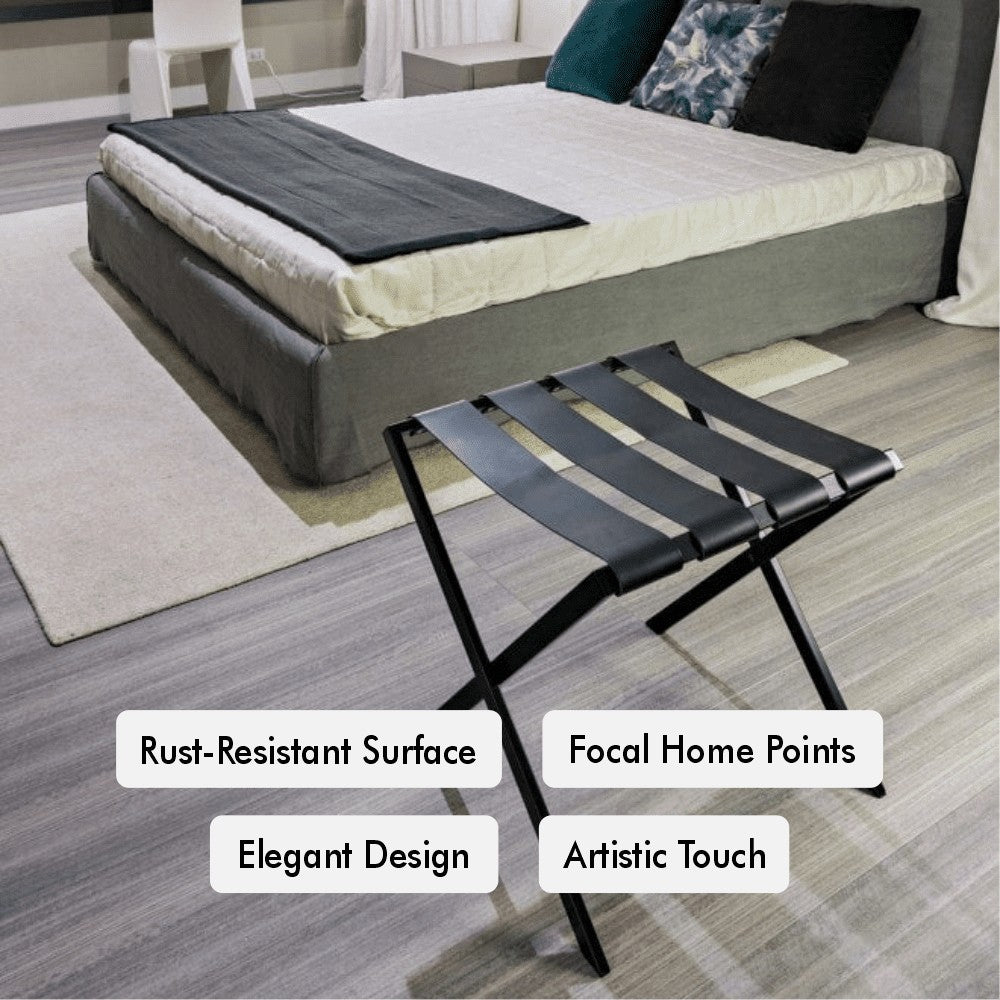
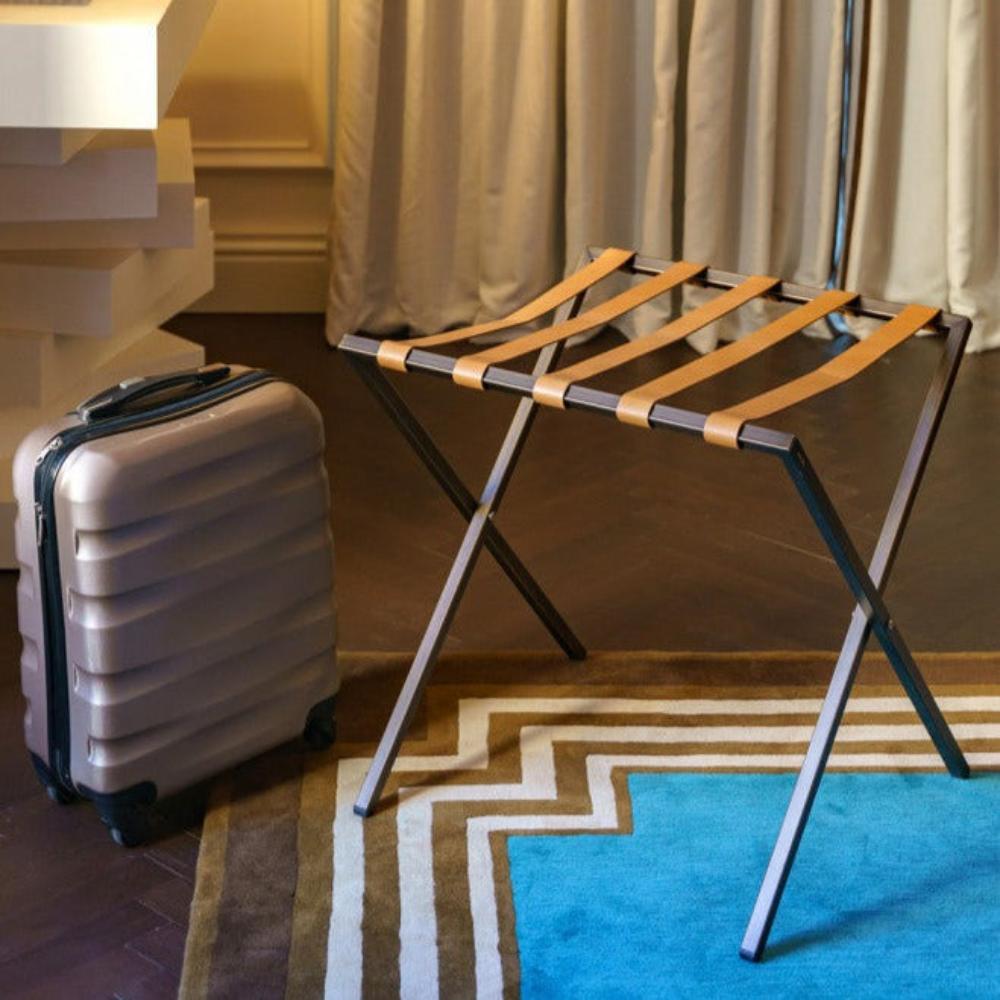
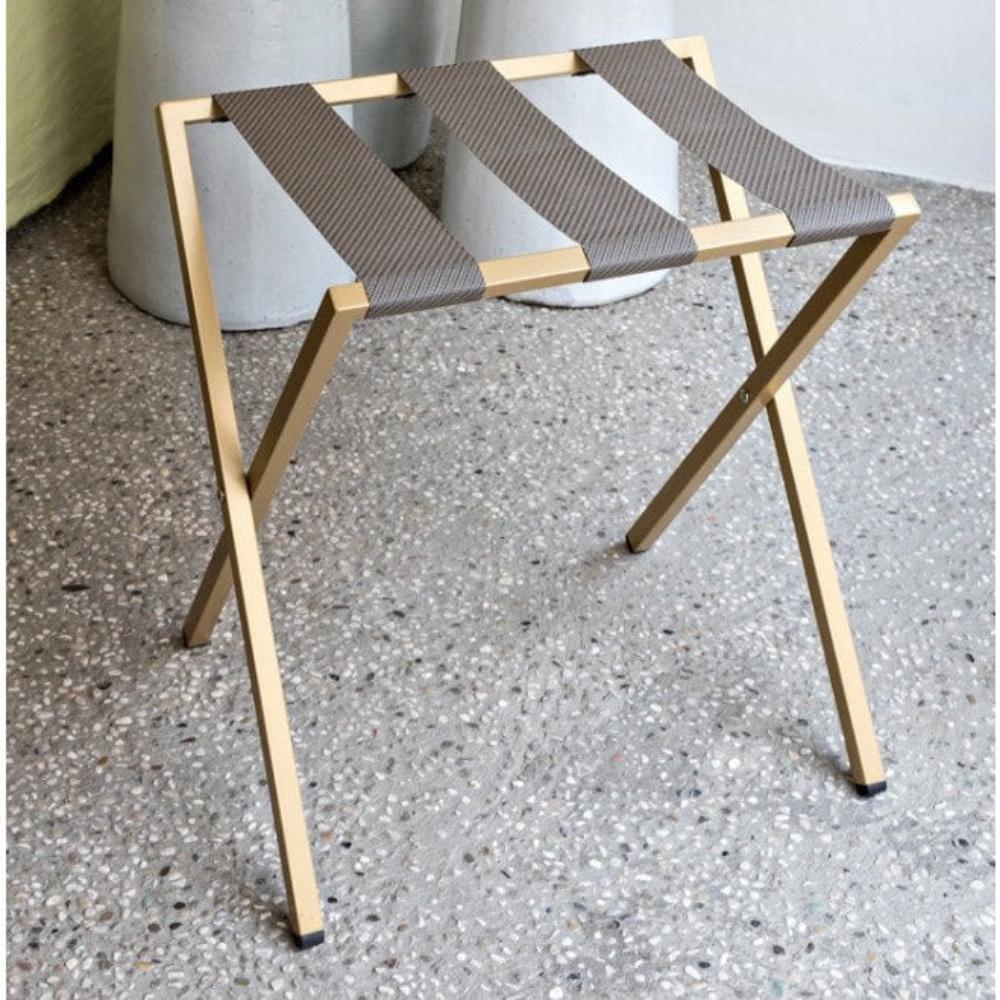
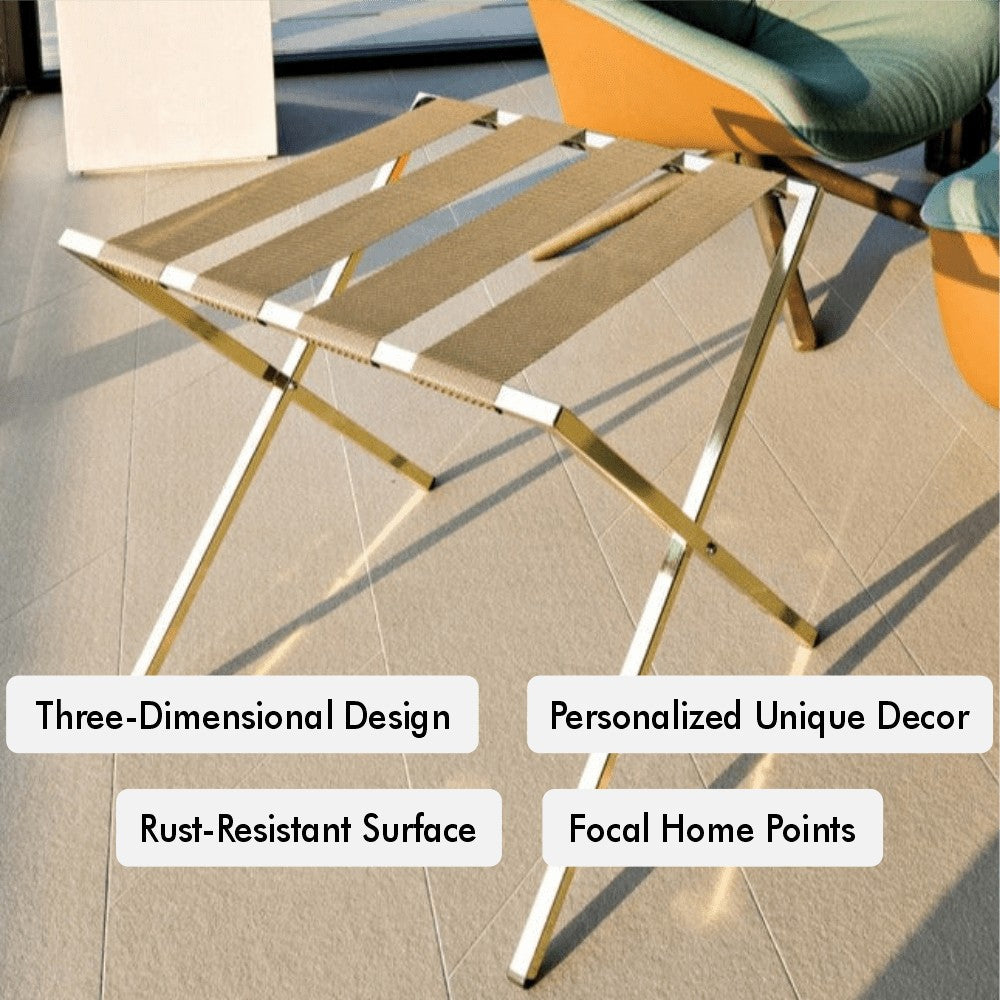
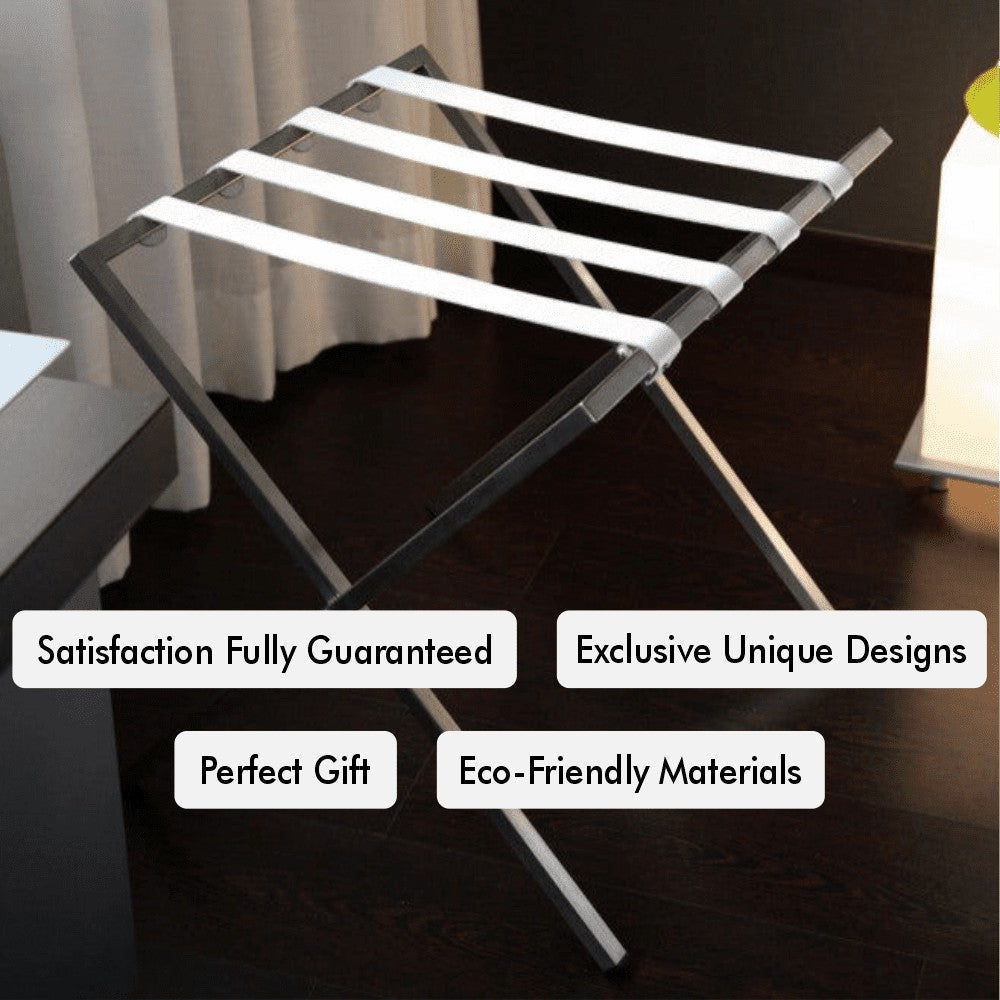
Metal luggage stands offer a more defined outline. They can echo black lighting, metal bedframes, cabinet pulls, or contemporary wall décor, and leather straps add a tactile contrast to the frame. This combination works especially well in modern bedrooms, hospitality spaces, and rooms that already use a deliberate mix of metal and natural materials. Finishes vary by item, so use the photos and specification on the individual product page as the final reference.
Neither material is automatically better. Start with the furniture around it and the level of use the rack will receive. A wooden rack can make a small guest room warmer; a metal rack can create a clearer visual structure in a minimalist or hotel-inspired space. For either style, the practical essentials remain the same: a stable surface, a comfortable loading height, a usable top area, and a place to store it when it is not needed.
Foldable Luggage Racks Make Hosting Easier
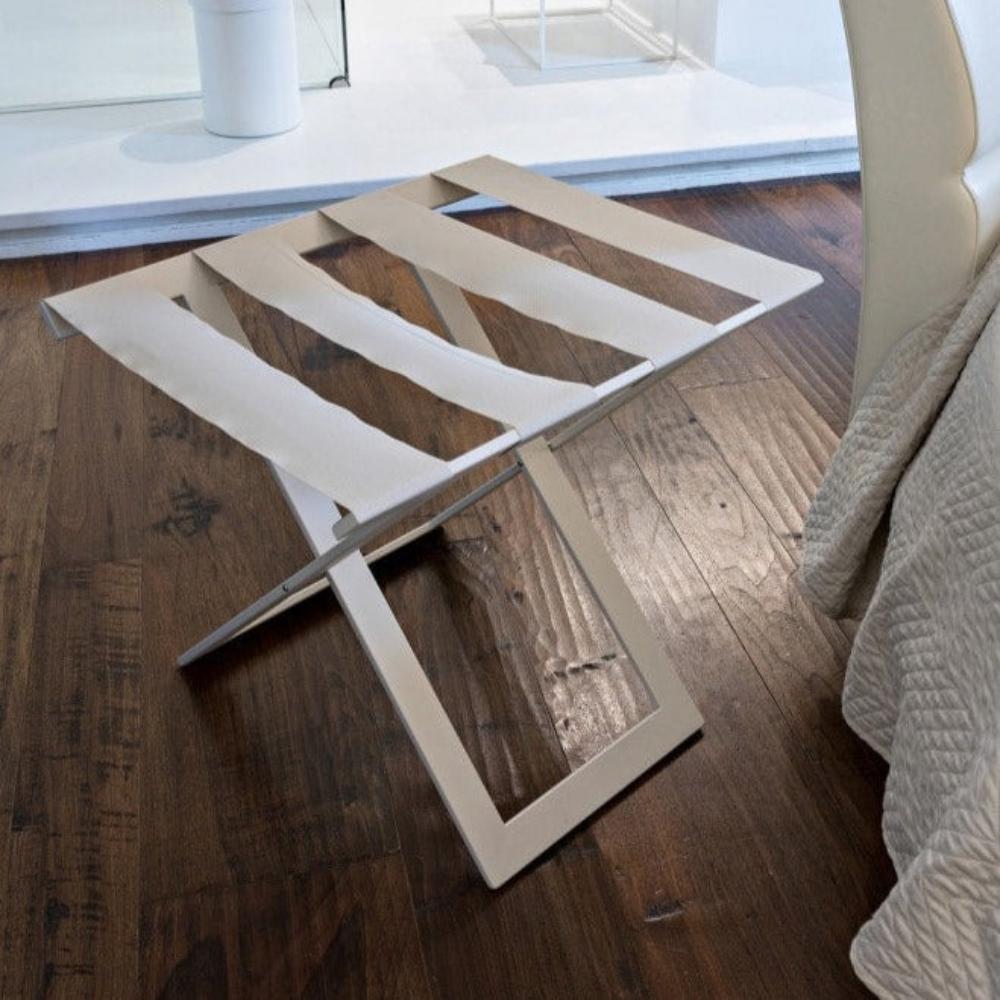
Foldability is the feature that makes a luggage stand easy to keep in an ordinary home. When visitors leave, the rack can be folded and stored in a closet, under a bed, or in a linen-storage area instead of remaining in the room as an unused object. That lets a guest room return to being an office, hobby room, or calm spare bedroom between stays.
Think about the whole storage path before choosing a folding design. Measure the open rack zone, then identify the place it will live when closed. A rack that folds neatly but has no nearby storage plan can end up leaning behind a door or tucked into an inconvenient corner. If you host often, keep it where it can be reached quickly; if visits are occasional, a deeper closet shelf or storage room may be ideal.
When opening or closing a luggage rack, use the mechanism as intended and keep fingers clear of hinges. Position the rack on level flooring before adding a suitcase, and avoid loading it beyond the guidance supplied with the product. A well-chosen folding rack should be easy to set up, easy to put away, and dependable when a guest actually needs it.
Measure the Guest Room Before You Buy
Measure the intended area with the door and closet open. A luggage rack may have a small footprint, but a suitcase extends beyond that footprint when it is placed on top. Include space for the guest to stand in front of the bag, open a drawer, and walk to the bed. The right location makes unpacking feel effortless instead of turning a small room into an obstacle course.
-
Open footprint: Leave room for the rack and the suitcase above it, not just the rack frame.
-
Clear walking path: Avoid placing the stand where it blocks the route between the door, bed, bathroom, and closet.
-
Suitcase shape: Consider hard-shell cases, wide bags, and carry-ons guests may use.
-
Furniture clearance: Check bedside drawers, wardrobe doors, radiator covers, and window treatments.
-
Storage after checkout: Plan where a foldable rack will live once the room returns to everyday use.
Painter's tape is a useful planning tool. Mark the approximate rack footprint and add the footprint of an open suitcase. Walk around it at normal speed, open the nearest drawer, and picture someone arriving with a bag. This small test often reveals whether the rack belongs beside the bed, near the closet, or against another wall.
Set Up a Hotel-Ready Guest Room
A luggage rack is most useful when it is part of a small, complete guest setup. Pair it with clear bedside space, a reading light, accessible outlets, a place for a phone or water glass, and a few empty hangers. These details do not need to turn the room into a hotel suite; they simply remove the little moments of uncertainty that guests experience in an unfamiliar space.
Keep the rack simple. The top should remain available for a suitcase rather than collecting folded blankets, decorative trays, or extra pillows. If the room needs visible storage, put that function elsewhere: a basket for spare linens, a small shelf for books, or a drawer for guest supplies. Separating those jobs keeps the luggage stand immediately useful on arrival.
For a cohesive organizing approach beyond the bedroom, explore Racks & Holders, Entryway Storage, and Shoe & Slipper Racks. Those collections can help carry the same practical, orderly feeling through an entryway, hallway, or dressing space.
Using Luggage Racks in Vacation Rentals and Hospitality
For a vacation rental, cabin, guest suite, or small hotel, luggage stands are functional equipment as well as décor. They give every guest a familiar place to set their case, help protect bedding from the wheels and base of a suitcase, and reduce the chance that bags accumulate in narrow doorways. A room with a dedicated rack is easier to understand at a glance.
Consistency matters in multi-room settings. Choosing the same luggage rack style for each room creates a steadier guest experience and makes replacement planning simpler. You might select wood for a warm, rustic property, or metal and leather for a contemporary suite. The key is to match the stand to the wider interior rather than treating it as a leftover accessory.
When selecting for hospitality use, review the exact item dimensions, construction, finish, and care information before placing a larger order. Put the rack where housekeeping can clean around it easily and where guests can use it without moving other furniture. A reliable location beside a wardrobe or near the foot of the bed often works better than a visually dramatic but inconvenient corner.
Care and Everyday Use
Keep the luggage rack clean with a soft cloth and follow the product-specific care instructions for its finish, wood, leather, straps, and hardware. Avoid harsh or abrasive cleaners that can affect painted metal, leather surfaces, or wood finishes. If a spill occurs, clean it promptly according to the relevant material guidance and allow the rack to dry fully before folding or storing it.
Check the stand periodically for loose hardware, worn straps, or damage that could affect stable use. Do not exceed the product's stated capacity, and do not use a luggage rack as a seat, step stool, or permanent shelf. It is designed to support a bag; keeping that single purpose clear helps it remain safe and presentable over time.
For racks placed in a guest room, a quick reset after visitors leave goes a long way: wipe the surface, confirm that it folds and unfolds cleanly, and return it to its assigned storage spot. The next time the room is needed, it will be ready without a scramble.
Find the Right Grandmix Luggage Rack
The right luggage rack should make arrival easier, not add more furniture to navigate. Begin with the space beside the bed or closet, choose wood or metal to suit the room, and check whether foldable storage is important to your routine. Then compare the product dimensions, finishes, and materials to find a stand that is as practical for your guests as it is fitting for your home.
Browse the full Luggage Stand & Luggage Rack collection to compare the current Grandmix designs. Each product page has the details needed to make a final choice for your guest room, hotel, or rental property.
Luggage Stand FAQs
What is the difference between a luggage stand and a luggage rack?
The names are commonly used for the same product: a raised, dedicated surface that holds a suitcase off the floor. The important differences are the item’s size, material, top construction, foldability, and stated use guidance.
Are foldable luggage racks good for small guest rooms?
Yes. A folding rack can provide a useful unpacking surface when guests stay and then store away when the room is needed for another purpose. Measure both the open setup and the folded storage location before choosing.
Should I choose wood or metal for a luggage rack?
Choose the material that fits the room and intended use. Wood works naturally in warm, traditional, or cottage-style spaces; metal and leather can suit modern, hotel-inspired, or more tailored interiors. Check each product page for the exact materials and finish options.
Where should a luggage rack go in a bedroom?
Place it where the guest can reach it easily without blocking a door, closet, drawer, or normal walking path. A clear wall near the bed, wardrobe, or the foot of the bed is often a practical starting point.
Can a luggage rack be used as a bench or extra shelf?
No. Use it only as intended for luggage and follow the product-specific capacity guidance. It should not be used as seating, a step stool, or a substitute for permanent storage furniture.